← The Global Intelligence Brief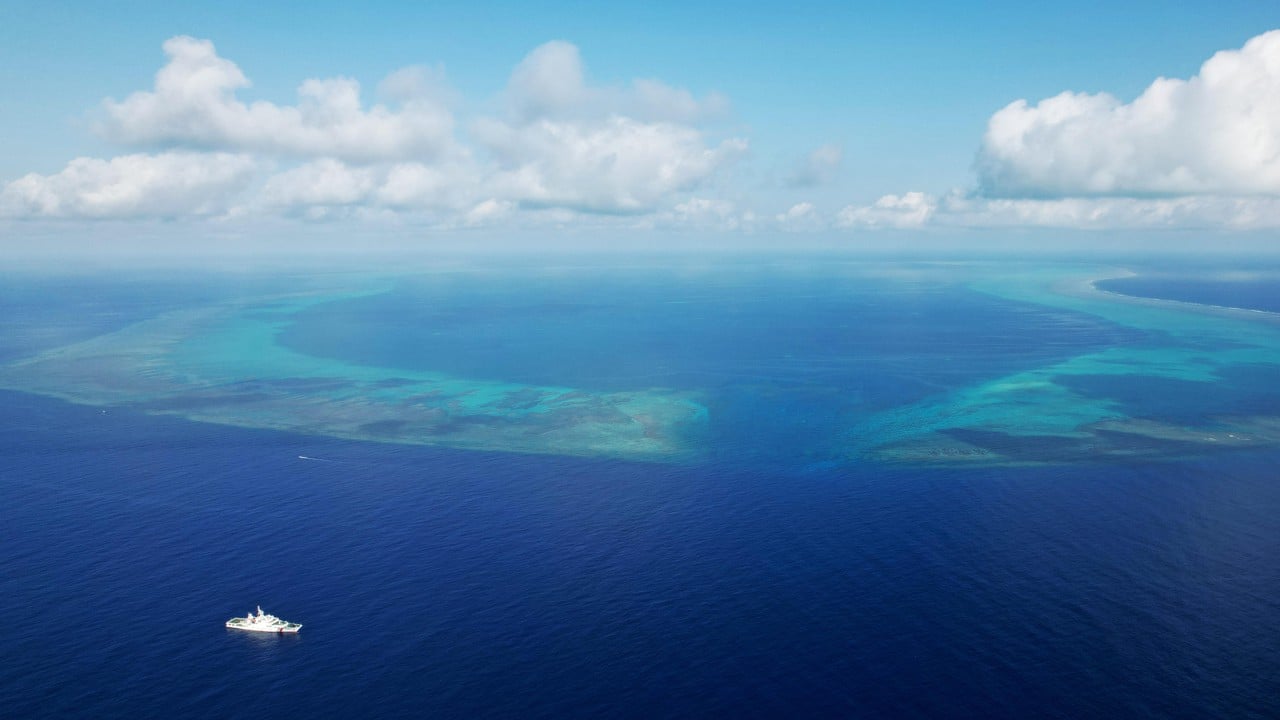
 1 source
Morning Edition · Tuesday, June 9, 2026Published at 6:30 AM EDT · New York
Manila Accuses Beijing of Building a Structure at Scarborough Shoal
The Philippines says aerial monitoring shows a new artificial installation at the contested reef, raising tensions on an important trade route.
The Philippines has accused China of building an artificial structure at the disputed Scarborough Shoal in the South China Sea, the South China Morning Post reports. Citing aerial monitoring, Manila's National Task Force for the West Philippine Sea said it had observed what may be an antenna or similar installation at the contested reef.
Scarborough Shoal has been a recurring source of conflict between the two governments, and any permanent construction would mark an escalation in China's effort to consolidate control over waters within the Philippines' exclusive economic zone. Beijing claims sovereignty over most of the South China Sea, a position that an international tribunal rejected in 2016.
The dispute lies along one of the world's busiest shipping corridors, through which a large share of global trade and energy supplies passes. Gradual moves to reinforce features in the sea raise the underlying risk of confrontation between Chinese and Philippine vessels, and by extension the United States, which has a mutual defense treaty with Manila.
The episode is part of a broader Indo-Pacific pattern in which maritime confrontations with China are increasing and regional governments are expanding their militaries in response.
Veracity: Corroborated
83/100- If true, who benefits
Manila gains internationally by documenting Chinese encroachment to rally treaty allies, while Beijing frames the same structure as lawful "scientific research."
- The nuance
Both governments confirm a structure exists, but its purpose is disputed (Manila calls it an illegal antenna installation, Beijing calls it research) and independent verification of what it actually is remains pending.
An open-source-intelligence read of how likely this story is true with its real nuance, not a judgment of any outlet. It assesses the claim, weighing independent and adversarial reporting. How we label confidence.
What this means
Permanent installations on contested features change the situation on the water and make future negotiation harder, which increases the chance of an incident on a route that carries a large share of global commerce. The slow accumulation of such moves is the kind of structural shift that markets ignore until a single confrontation forces a reassessment of regional risk.
Source: South China Morning Post
Townsquare
Start a discussion in Townsquare.
More from this edition
- Oil Holds Near $94 as Iran and Israel Step Back From the Brink
- SpaceX Sets $135 Share Price for a Record Nasdaq Debut
- Pentagon Adds Alibaba, Baidu and BYD to Chinese Military List
- Bitcoin Steadies Near $63,000 as a Caution Signal Flashes
- US and Iran Inch Toward Talks, but Each Side Demands a Win
- Stray Drones Push Ukraine's War Onto NATO's Doorstep
- Back Channels Stay Open as Putin Sends Zelensky a Message
- Peru's Runoff Tilts Left as Sanchez Edges Ahead of Fujimori
Comments
0No comments yet.