← The Global Intelligence Brief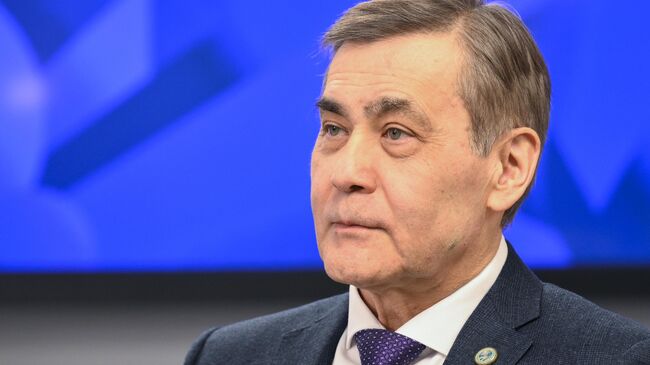

 2 sources
Morning Edition · Monday, June 15, 2026Published at 6:39 AM EDT · New York
Shanghai Cooperation Organisation Reports 20 Applications to Join
Moscow points to growing interest in the bloc as Russia and partners build trade and security arrangements outside Western institutions.
The secretary general of the Shanghai Cooperation Organisation (SCO) said the bloc has received 20 applications from states seeking to join or deepen ties, the Russian agency RIA Novosti reported. The SCO, led by China and Russia, has become a vehicle for coordination among states outside the Western alliance system.
The reported interest aligns with a broader effort to build commerce that is less exposed to Western sanctions. TASS reported that a deputy Vietnamese foreign minister called for expanded cooperation between the Association of Southeast Asian Nations and Russia, pointing to long-standing ties between Hanoi and Moscow.
Both items reflect a slow reordering of economic relationships. Russia has been directing its trade toward regional blocs and partners in Asia to protect its commerce from sanctions, and growing membership interest in groupings like the SCO gives that effort an institutional form.
For the dollar-based order, the trend is gradual rather than sudden. None of these arrangements displaces Western finance today, but each adds a route for trade, settlement and diplomacy that does not run through Washington or Brussels. The accumulation of such routes is what a move toward a more multipolar system looks like in practice.
Veracity: Plausible
60/100- If true, who benefits
Russia and China, which present membership demand as evidence that a non-Western order is gaining institutional weight.
- The nuance
SCO officials have spoken of rising interest, but the specific count of 20 is sourced only to Russian state agencies and blurs distinct tiers (full members, observers, dialogue partners), so "applications to join" overstates what is largely interest in deeper ties (Lowy Institute).
An open-source-intelligence read of how likely this story is true with its real nuance, not a judgment of any outlet. It assesses the claim, weighing independent and adversarial reporting. How we label confidence.
What this means
Expanding membership and partnerships in non-Western blocs build the institutional systems for trade and settlement that bypass Western networks. The shift is incremental, but it steadily reduces the leverage that sanctions can exert over time.
What to watch
Synthesized from: RIA Novosti · TASS
Townsquare
Start a discussion in Townsquare.
More from this edition
- US and Iran Reach Framework to Reopen Hormuz, and Oil Prices Retreat
- Israel Says It Will Not Leave Lebanon, Testing the US-Iran Understanding
- Trump Threatens 100% Tariff on French Wine and Champagne Over Digital Tax
- Chinese Chip Stocks Climb After Beijing Court Blocks Infineon in Patent Case
- Crypto Markets Brace for a Fed Decision and a Middle East Ceasefire
- Russia Remains a Top Supplier of Gas to Europe Even as the EU Moves to Ban It
- G7 Leaders Meet in France With Wars and Trade Topping the Agenda
- US States Subpoena OpenAI Over User Safety as the Company Approaches an IPO
Comments
0No comments yet.