← The Global Intelligence Brief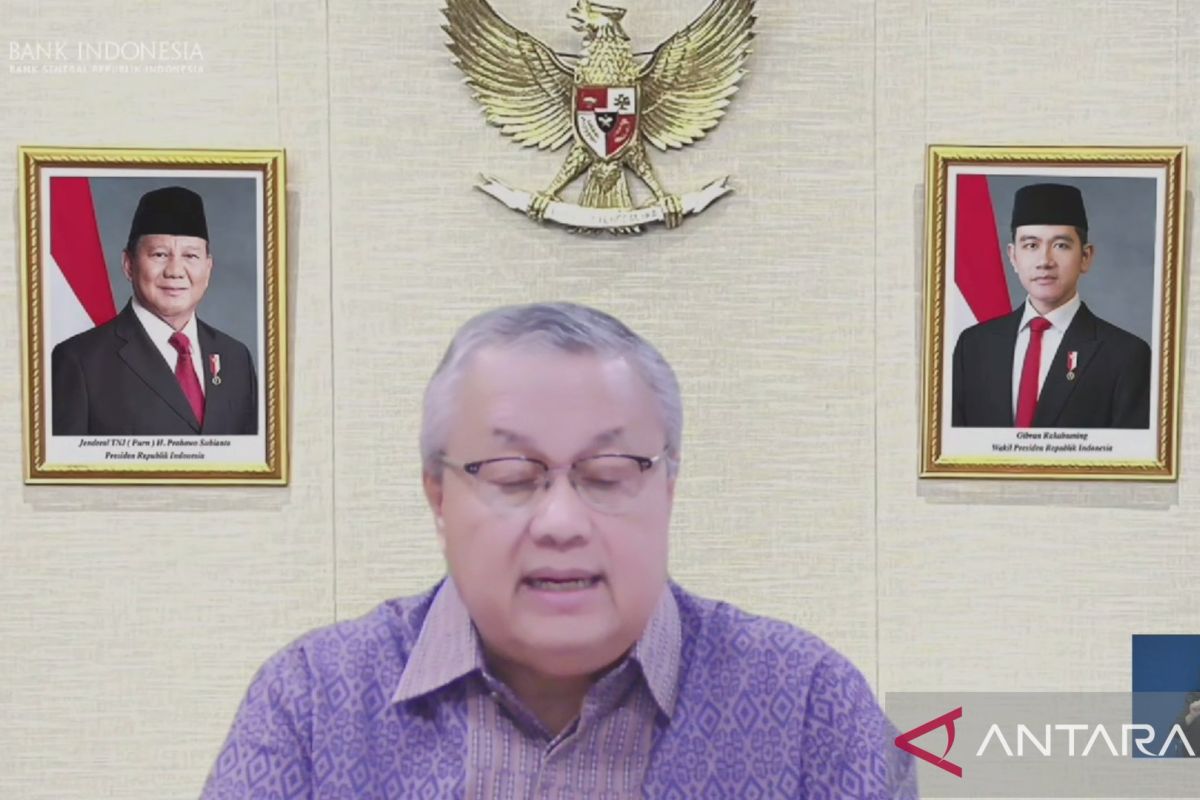


 3 sources
Morning Edition · Thursday, June 18, 2026Published at 6:14 AM EDT · New York
Bank Indonesia Raises Rates a Third Time to Defend the Rupiah
The central bank lifted its benchmark to 5.75 percent as a firmer dollar and fears of Federal Reserve tightening pressure emerging-market currencies.
Bank Indonesia raised its benchmark interest rate by 25 basis points to 5.75 percent, stepping up its defense of the rupiah as the currency fell to its weakest level in months. The move was the third increase in roughly four weeks, totaling 100 basis points, after a surprise half-point rise in May and an unscheduled quarter-point increase on June 9.
Bank Indonesia Governor Perry Warjiyo described the decision as a pre-emptive step to strengthen the rupiah's stability amid persistently high global uncertainty and to keep inflation within the government's target range of 2.5 percent, plus or minus one percentage point.
The pressure originates in the United States. With Federal Reserve officials signaling that interest rates may stay higher for longer, the dollar has strengthened, and emerging-market central banks are being forced to raise their own rates to slow capital outflows and prevent their currencies from weakening further. It is a familiar pattern in which the cost of defending the currency is slower domestic growth.
What this means
Indonesia is an early and clear example of how Federal Reserve policy affects other economies. When the dollar strengthens, economies that import capital must choose between letting their currencies fall, which raises import prices, or raising rates, which slows their own economies. Three increases in a month show how little room the central bank feels it has.
What to watch
- The rupiah's level against the dollar, the immediate measure of whether the hikes are working.
- Whether other emerging-market central banks, including India and others in Asia, follow with their own increases.
- The Federal Reserve's signals on its rate path, the upstream driver of this entire dynamic.
Observations to monitor, not financial advice.
Synthesized from: Antara · Bloomberg · Jakarta Globe
Townsquare
Start a discussion in Townsquare.
More from this edition
- Iran and the United States Sign an Interim Deal, and Oil Retreats as Markets Reprice War Risk
- Ukraine Mounts a Large Drone Assault on Moscow, Striking a Refinery and Halting Airports
- SpaceX's Public Debut Makes Musk the First Trillionaire and Tests an AI-Era IPO Wave
- Hegseth Orders a Six-Month Review of US Forces in Europe and Faults NATO Over the Iran War
- Google Loses Gemini Co-Leader Noam Shazeer to OpenAI
- Cuba's Communist Party Approves Market Reforms Under US Economic Pressure
- Tehran and Tel Aviv Stocks Climb as War Risk Recedes
- Israel Cuts Contact with the EU Foreign Policy Chief Over an Apartheid Comparison
Comments
0No comments yet.