Morning Edition · Saturday, June 20, 2026
Germany's School System Sorts Children Early, and Inequality Follows
A national education report finds that many pupils' paths are determined before they enter kindergarten, a structural limit on opportunity.
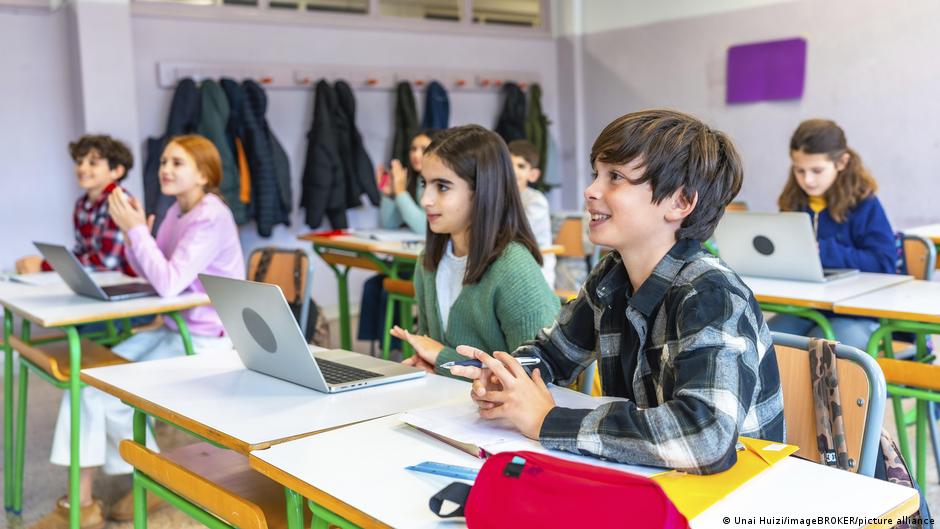
A national report on education in Germany finds that children's trajectories through the school system are often determined before their first day of kindergarten, according to Deutsche Welle, which profiled an elementary school in Bonn experimenting with a new model to counter the pattern. The finding points to a system that sorts pupils early and, in doing so, tends to reproduce the advantages and disadvantages they are born into.
The economic stakes extend beyond the classroom. Germany faces an aging workforce and persistent shortages of skilled labor, and an education system that fails to develop talent across the whole population leaves productive capacity unused. Human capital is the foundation of long-term growth, and early sorting that groups children by background rather than ability is a structural constraint on it.
The report concerns Germany alone, but its relevance extends across Europe's largest economy. Demographic decline makes every underused worker more costly, and reforms that widen access to good education are among the few policy options that can raise potential output without expanding credit or the size of the state.
The Bonn experiment is small, and a single national report will not change a deeply established system quickly. Its value is as an indication of where Germany's growth potential is being lost before working life begins.
What this means
Early educational sorting is a structural constraint on the productivity of Europe's largest economy at a time when demographic decline makes every skilled worker more valuable. It is a slow-moving constraint that compounds into weaker long-term growth.
What to watch
- Whether the federal and state governments act on the report's findings with concrete reforms.
- German skilled-labor shortage data, which reflects how much unrealized human capital is costing the economy.
Observations to monitor, not financial advice.
Source: Deutsche Welle
More from this edition
- A Fragile Iran Deal Reopens Hormuz, and the World Economy Exhales Cautiously
- Lebanon Truce Frays Within Hours as Israel and Hezbollah Exchange Fire
- Bitcoin Holds Near $63,600 as Fund Inflows and Institutional Buying Persist
- India's Gold Appetite Strains Reserves as New Delhi Raises Import Duties
- Russia Guards Its Fuel Supply as Ukraine's Strikes Squeeze the War Economy
- Bolivia Declares State of Emergency as Blockades Halt the Economy
- Colombia's Polarized Election Draws Open United States Intervention
- India's NSE Heads to Market as a Rare High-Margin Listing
- Japan Pushes Resource and AI Security as Regional Frictions Build
- France's Bardella Positions for 2027 and a Reordering of the EU
- Beijing and Moscow Advance a Non-Western Bloc on Governance and Trade