← The Global Intelligence Brief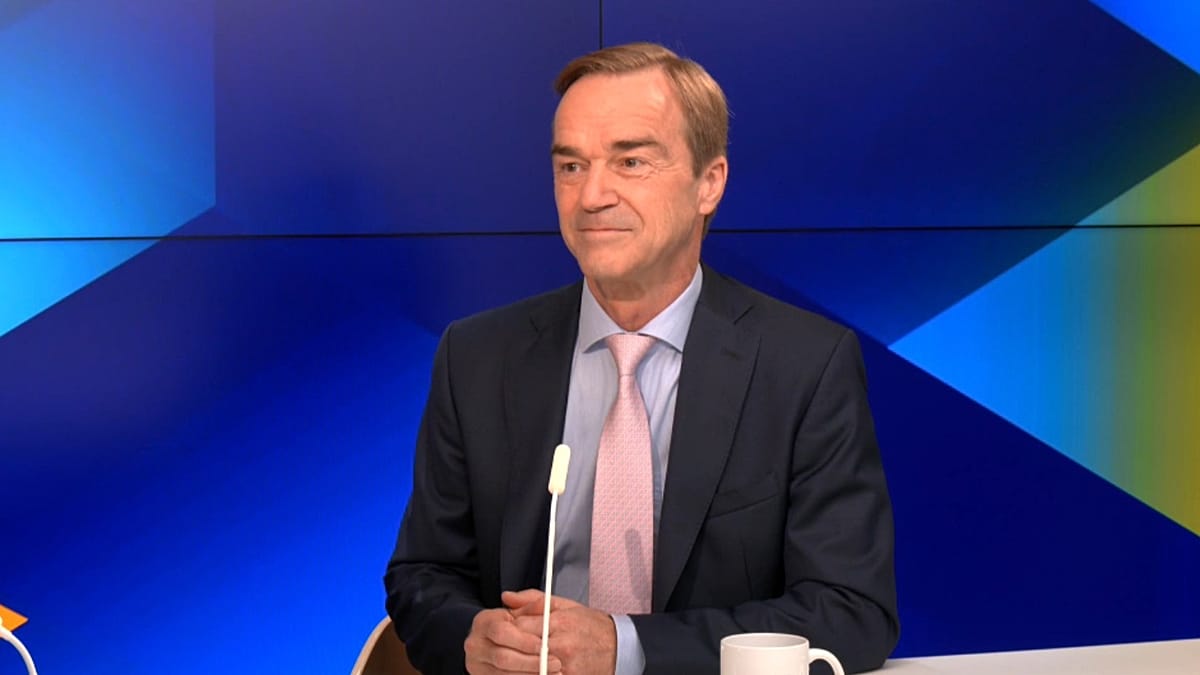
Morning Edition · Tuesday, July 7, 2026Published at 6:30 AM EDT · New York
Euro Area Faces Recession Risk With Little Fiscal Room
A senior European economist said governments must generate growth even as an aging workforce forces Germany to recruit abroad.
The euro area is under strain and recession risks are building, Rolf Strauch, chief economist at the European Stability Mechanism, said in comments carried by Euronews. Governments "have to create growth," he said, while warning that global instability places heavy demands on states that have only limited fiscal space to respond.
The structural side of the problem is demographic. Germany, the bloc's largest economy, is accelerating efforts to attract skilled foreign workers as its population ages, Antara reported, reaching as far as Indonesia to fill gaps in its labor force.
The two accounts point to the same difficulty. After years of cheap money and rising public debt, European governments have little room to use spending to counter a downturn, and the workforce that would generate organic growth is shrinking. Covering that gap with more borrowing has become harder as debt levels rise.
What this means
A bloc that cannot borrow freely and cannot grow its workforce is left depending on productivity and migration to avoid stagnation. That constraint shapes European bond markets, the euro and the room the European Central Bank has to act if a downturn arrives.
What to watch
- Incoming euro area growth and purchasing-manager data, which would confirm or ease the recession warning.
- Whether member states loosen budgets or hold to fiscal limits, a test of how much room they believe they have.
- Progress on skilled-migration programs in Germany and elsewhere, the main means of offsetting an aging workforce.
Observations to monitor, not financial advice.
Townsquare
Start a discussion in Townsquare.
More from this edition
- Samsung Posts Record Profit and Loses Value, Testing the AI Chip Boom
- U.S. Strikes Iran and Reimposes Oil Sanctions After Tanker Attacks in Hormuz, Breaking the June Ceasefire
- NATO Meets in Ankara on Rearmament as Moscow Warns of Defeat
- Kremlin Says War Will Continue as It Claims New Ground and a Buffer Zone
- Explosions Near Macron's Hotel Test Syria's Fragile Reopening
- China Showcases AI Hardware as Export Controls Bite
- From SpaceX to Small Drone Makers, the IPO Wave Meets Reality
- India and Indonesia Link Payments and Ports, Around the Dollar
Comments
0No comments yet.