← The Global Intelligence Brief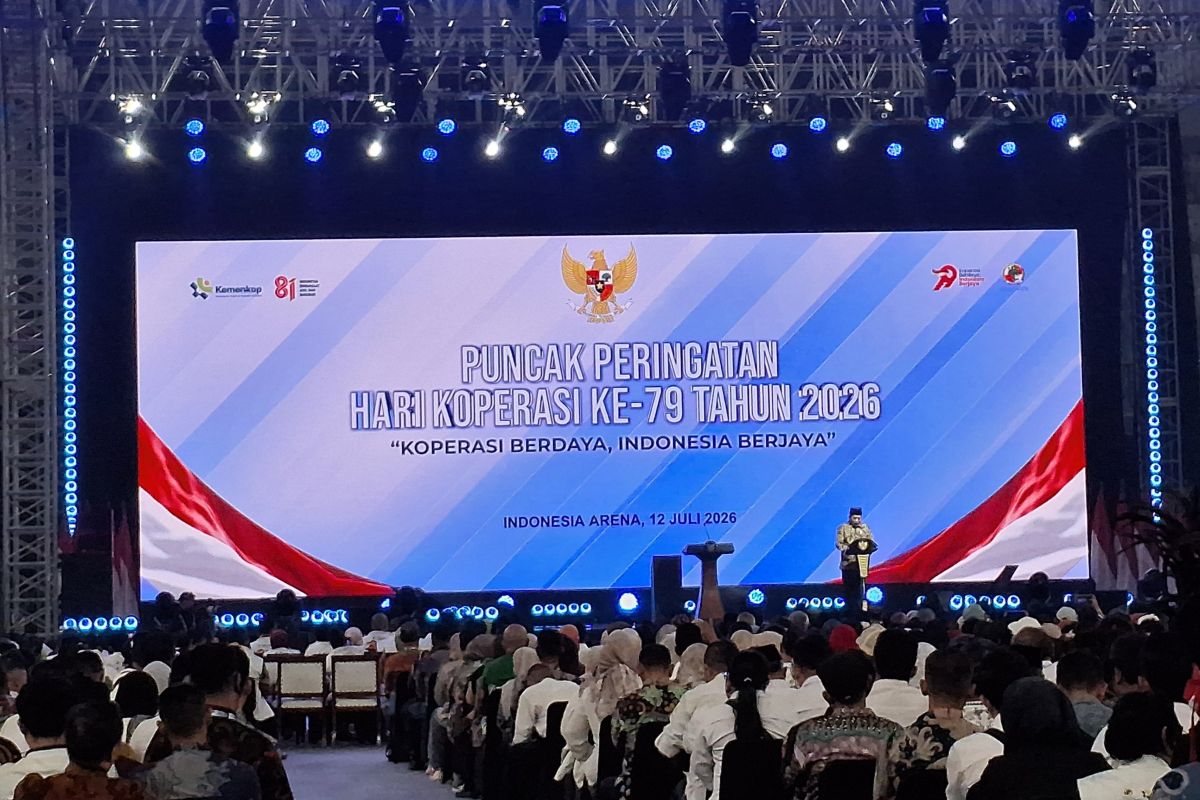
Morning Edition · Monday, July 13, 2026Published at 1:12 AM EDT · New York
Indonesia Rolls Out B50 Biodiesel and E5 Ethanol Mandates to Cut Fuel Imports
President Prabowo Subianto's government presents the nationwide blending programs as a step toward energy self-sufficiency and away from imported crude.
As oil markets reacted to the Gulf, one large importer pressed ahead with a plan to rely more on domestic supply. Indonesia's state agency Antara reported that the nationwide rollout of the B50 biodiesel mandate, which raises the palm-oil content of diesel to 50 percent, together with a phased E5 bioethanol program, marks a major step toward energy self-sufficiency.
The economic logic is import substitution. By replacing part of its refined-fuel imports with domestically produced biodiesel and ethanol, Indonesia aims to spend fewer dollars abroad on energy and to protect itself from the kind of oil-price shock now moving through the Gulf. President Prabowo Subianto has framed self-reliance as a central economic goal, and Antara separately reported his push to build a people-centered economy around cooperatives.
The policy carries real trade-offs. Mandating a higher biofuel blend transfers demand to domestic palm-oil and sugar producers and reduces the import bill, but it also raises questions about food-versus-fuel competition for crops, land use, and the cost that a mandated blend passes to consumers and to the state budget through subsidies. Those costs do not disappear, they shift.
Indonesia's move is part of a wider pattern across large developing economies, from India's ethanol program to others, that are using domestic biofuels to reduce their exposure to global crude. It is a structural response to a recurring vulnerability rather than a reaction to any single price move.
Veracity: Corroborated
80/100- If true, who benefits
The energy-self-sufficiency framing, carried by the state agency Antara, benefits Indonesian palm-oil and sugar producers and the Prabowo government's narrative of energy independence.
- The nuance
Eliminating diesel imports is a government projection rather than a verified outcome, and the framing omits food-versus-fuel competition, deforestation and the subsidy cost passed to consumers and the state budget.
An open-source-intelligence read of how likely this story is true with its real nuance, not a judgment of any outlet. It assesses the claim, weighing independent and adversarial reporting. How we label confidence.
What this means
Higher mandated biofuel blends cut Indonesia's crude-import bill and shift demand to domestic palm-oil and sugar producers, reducing the country's exposure to Gulf oil shocks while raising food-versus-fuel and subsidy costs. Domestic agricultural producers and the trade balance gain, while consumers and the state budget absorb the higher cost of blended fuel.
What to watch
Townsquare
Start a discussion in Townsquare.
More from this edition
- Oil Jumps About 4 Percent and Asian Equities Sell Off as US-Iran Strikes Resume
- US Declares a Naval Blockade of Iran and a 20% Toll on Hormuz Shipping, Escalating the War
- Bitcoin Holds Near 63,800 Dollars While Oil, Gold, Stocks and Bonds Swing on the Strikes
- Ship Traffic Through the Strait of Hormuz Falls as US and Iran Contest the Gulf
- Ukraine Sends More Than 350 Drones Toward Moscow as Russia Strikes Odesa's Ports
- Nippon Paint Offers 8.6 Billion Dollars for Akzo Nobel's Coatings Business
- Wall Street Banks Collect Large Fees From the SpaceX Listing and a Wave of Mega-Mergers
Comments
0No comments yet.