← The Polylog Crypto Intelligence Brief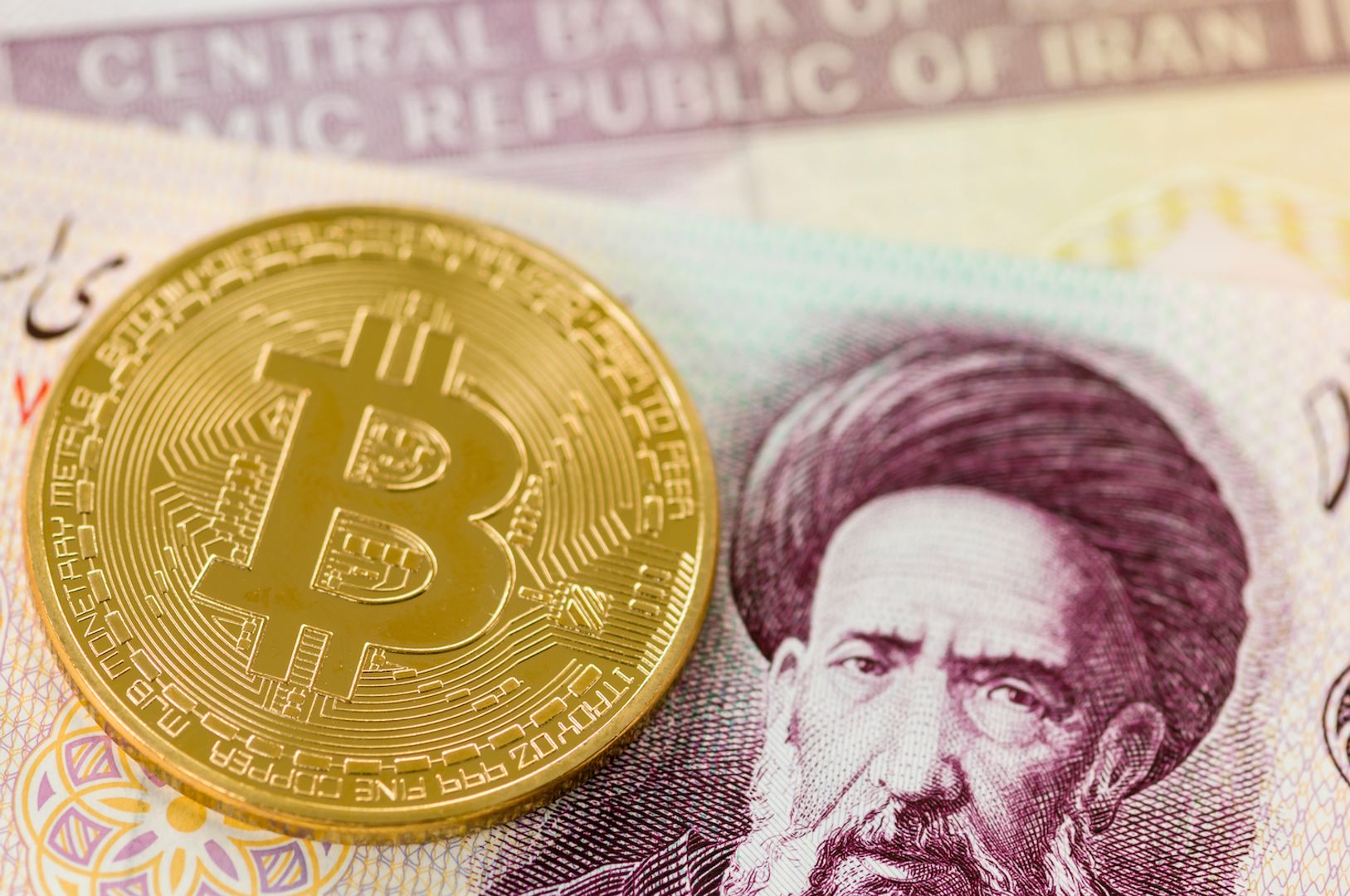
Morning Edition · Monday, June 15, 2026Published at 1:40 AM EDT · New York
US-Iran Accord Reopens Strait of Hormuz, Pulling Risk Premium Out of Oil and Lifting Bitcoin
A peace framework that ends the naval blockade sent crude lower and pushed Bitcoin to a two-week high, with roughly $150 million in short positions liquidated.
President Trump declared the agreement with Iran "now complete", authorizing the reopening of the Strait of Hormuz and the lifting of the United States naval blockade, with officials set to sign formally in Switzerland on June 19. The strait is the route for a large share of seaborne crude, and its closure had carried a war premium in energy prices for weeks.
The removal of that premium moved markets in two directions at once. Oil fell sharply, with Brent crude declining more than 4 percent toward $83 a barrel, while risk assets advanced. Bitcoin reached a two-week high above $65,500 as the geopolitical discount on risk narrowed.
The speed of the repricing forced out traders positioned for further conflict. Roughly $150 million in short positions were liquidated across the crypto market after the announcement, a mechanical move that amplifies a price advance as exchanges close losing bets. CoinDesk cautioned that Bitcoin is not fully clear of risk, noting that Trump warned of further strikes should the terms fail.
The diplomatic track is widening. The United Kingdom, France, Germany, and Italy signaled readiness to lift sanctions on Iran following the deal, a step that would reshape Iran's access to global finance and, potentially, its use of digital assets to move value around restrictions.
Veracity: Corroborated
87/100- If true, who benefits
Trump claims a diplomatic win and oil importers gain, while Iran secures blockade relief and a path out of sanctions.
- The nuance
The deal is a conditional ceasefire framework, not "complete": the signing is still pending June 19 and a 60-day talks window on nuclear terms and sanctions remains open, with Trump warning of further strikes.
Townsquare
Start a discussion in Townsquare.
More from this edition
- Europe's MiCA Grace Period Ends July 1 With Only 14 Fully Licensed Trading Platforms
- Ethereum Researcher Outlines Post-Quantum Account Protection for $0.07 Without a Hard Fork
- Deprecated Aztec Connect Contract Drained of About $2.1 Million
- Security Roundup: Bridge and Mint Exploits Drive a Heavy Run of June Losses
- Hoskinson Says Cardano's 1,096 Bitcoin Paid for a 2016 Audit as Critic Demands Records
- Miden Pitches "Practical Privacy" as the Condition for Blockchain's Next Phase
- Aztec Launches Alpha Network and Sharpens the Debate Over Who Controls Privacy
Comments
0No comments yet.