← The Polylog Crypto Intelligence Brief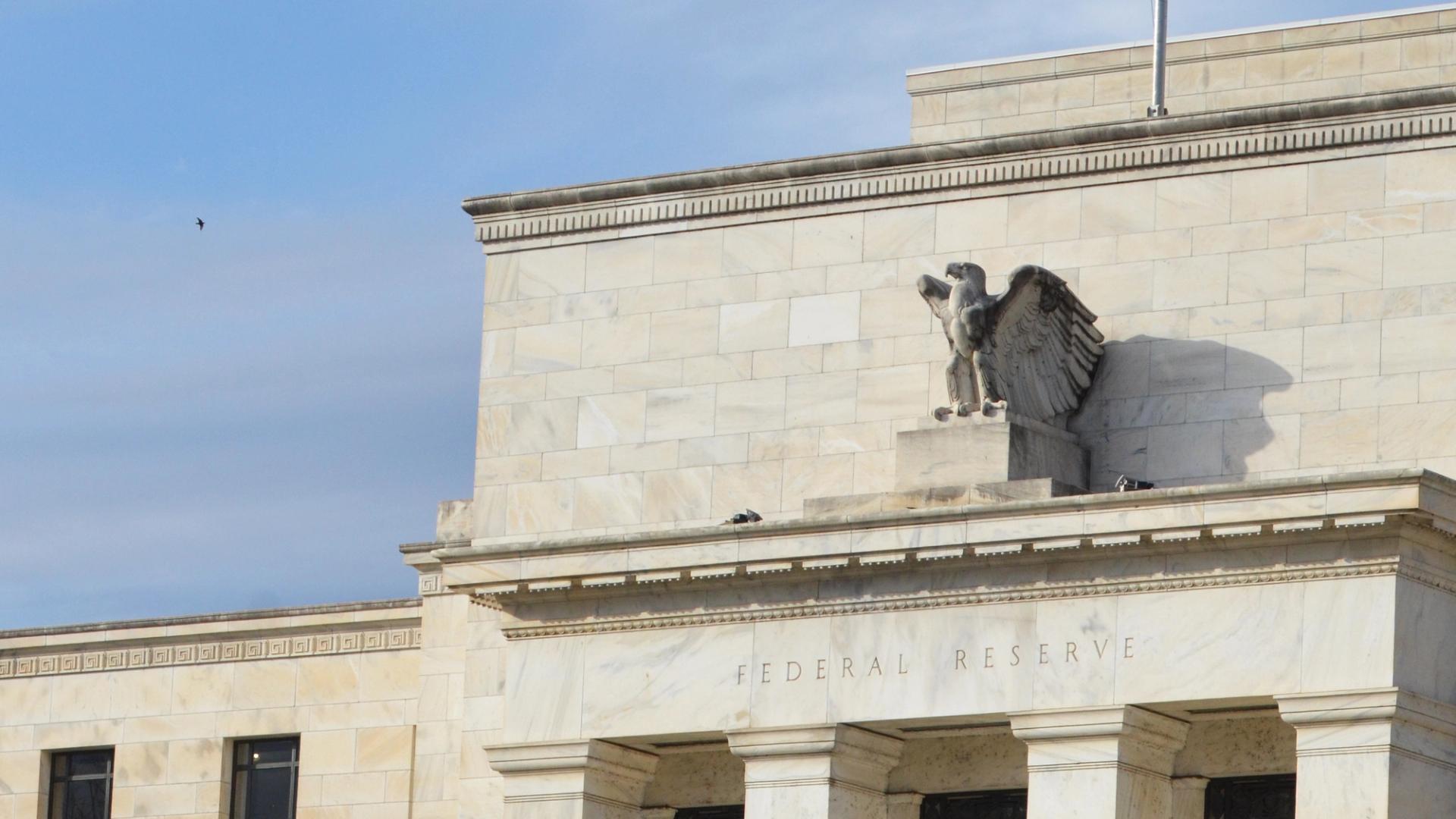
Morning Edition · Friday, June 19, 2026Published at 6:30 AM EDT · New York
US Regulators Move to Put Bank-Style Identity Checks on Stablecoin Issuers
The Federal Reserve, the Treasury and other agencies proposed requiring issuers to verify customer identities before opening accounts or redeeming tokens directly, extending anti-money-laundering rules to a market now above $313 billion.
The Federal Reserve, the Treasury and other federal agencies have issued a proposed rule that would set identification standards for stablecoin issuers. The rule carries out a requirement of the GENIUS Act, the federal stablecoin statute. The draft is now open for public comment.
The core requirement is straightforward. Issuers would have to verify a customer's identity before opening an account or allowing direct redemption of tokens for dollars. That applies the know-your-customer and anti-money-laundering standards that banks already follow. The rule targets the points where tokens enter and leave the regulated dollar system, not every transfer between wallets.
The scale explains why this matters. The total supply of dollar-pegged stablecoins now stands above $313 billion, led by Tether's USDT at roughly $186 billion and Circle's USDC near $75 billion, according to current circulating-supply data. Setting the compliance requirements at the point of redemption concentrates control over who can convert tokens to cash, the function that keeps a stablecoin's value fixed to the dollar.
The proposal makes explicit a risk that stablecoin holders already carry, namely counterparty and custody risk at the issuer. A token's value depends entirely on the issuer's promise to redeem it for dollars, and federal regulators are now defining the conditions attached to that promise. Offshore issuers that serve United States users will have to decide whether to meet the standard or withdraw.
Veracity: Corroborated
91/100- If true, who benefits
Compliance-built US issuers like Circle and the banks already inside the Bank Secrecy Act regime, plus regulators extending dollar-system control to the redemption chokepoint.
- The nuance
Townsquare
Start a discussion in Townsquare.
More from this edition
- CLARITY Act Reaches the Senate Floor, and the Math Comes Down to Seven Votes
- Ethereum Researchers Map the Next Scaling Round, and How to Keep It Censorship-Resistant
- Microsoft Flags Wallet-Stealing Worm as Exploit Trackers Log a Steady Run of Drains
- Privacy Chains Reframe Confidentiality as a Requirement for Serious On-Chain Use
- Leveraged Bitcoin Treasury Vehicles Show Their Financing Strain
- CME Group Plans to Sue the CFTC Over Bitcoin Perpetual Futures
- Europe's MiCA Deadline Puts Binance Access and Tether Liquidity in Question
Comments
0No comments yet.