← The Polylog Crypto Intelligence Brief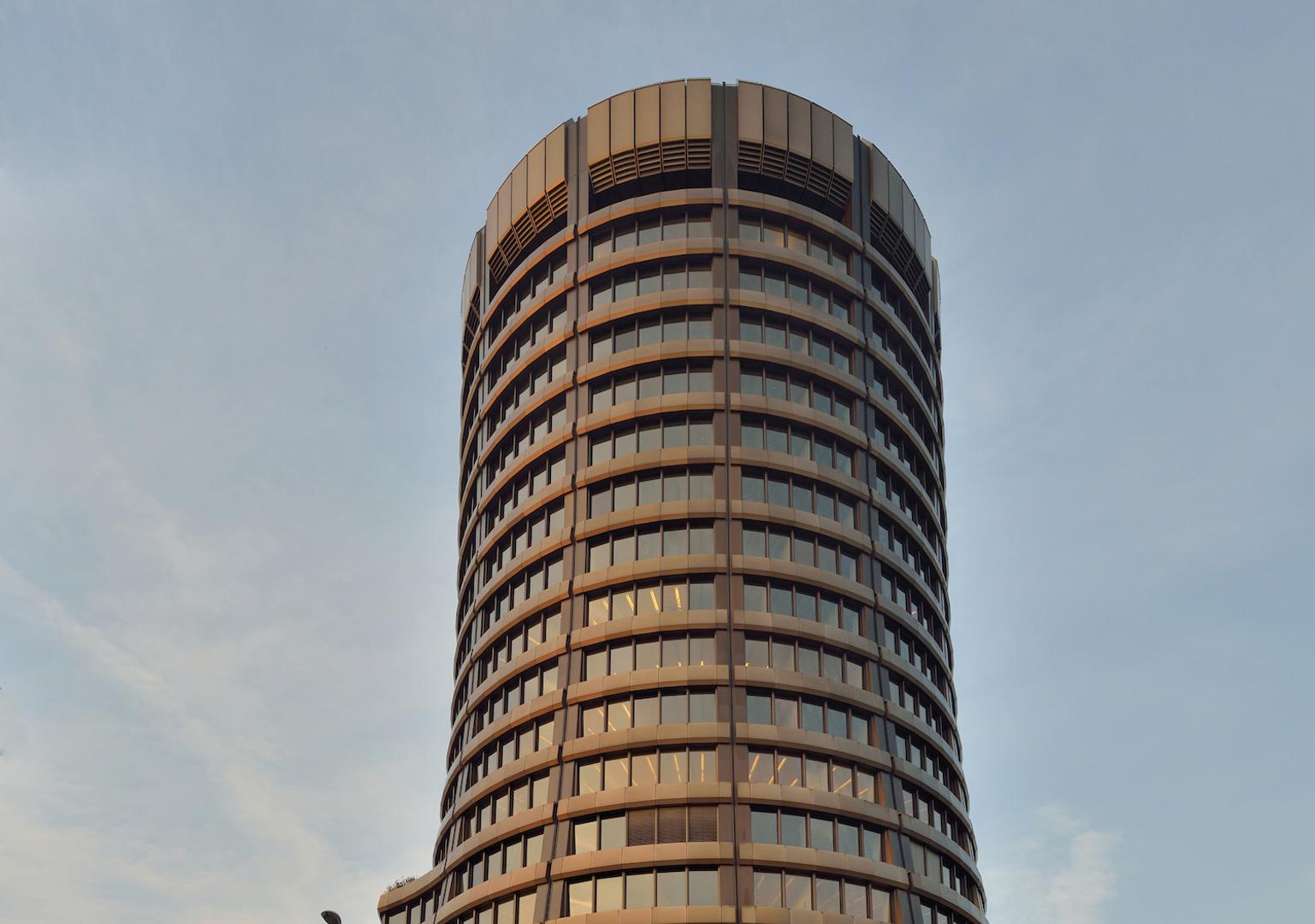
Morning Edition · Monday, June 29, 2026Published at 6:32 AM EDT · New York
BIS Tells the World Stablecoins Are Not Money, and Warns Poorer Economies Most
The Bank for International Settlements judged dollar tokens against the properties of sound money and found them closer to fund shares, even as some monetary authorities call them a support for the dollar.
The Bank for International Settlements (BIS), the institution owned by the world's central banks, used its 2026 annual economic report to deliver a critical assessment of one of the fastest-growing instruments in crypto. Dollar-pegged stablecoins, it argued, fall short of being money and behave more like shares in an exchange-traded fund (ETF).
The argument rests on the properties a monetary system must hold. The BIS tested stablecoins against three standards. The first is singleness, meaning every dollar trades at par with every other dollar. The second is elasticity, the ability to expand supply on demand. The third is integrity. It concluded that current designs fail each one. Tokens move away from their fixed values in secondary markets, and redeeming them is neither immediate nor costless, which is why the report compares them to fund shares rather than a means of payment.
The stronger warning is directed at developing economies. The BIS described a process it calls stablecoin dollarization, in which households in countries with weaker currencies hold dollar tokens as a store of value. It said rising stablecoin flows are associated with later declines in the local currency and with patterns consistent with evading capital controls, which weakens the monetary sovereignty of the states involved.
The report appears alongside a contrasting message circulating the same day, that some central bankers see stablecoins strengthening the dollar rather than competing with it. Both views can be true at once. A token that directs global savings into Treasury bills extends the dollar's reach abroad while weakening the currencies it displaces. Total stablecoin supply is now above $310 billion, led by roughly $185 billion of Tether's USDT and $74 billion of Circle's USDC. For the institutions that manage currencies, the question of whether these instruments are money or claims on money is now a practical concern.
Veracity: Corroborated
92/100Townsquare
Start a discussion in Townsquare.
More from this edition
- Europe Tells Unlicensed Crypto Firms to Shut Down Before MiCA's Final Deadline
- Buterin Says Cryptographic Obfuscation Could Build a Trustless Third Party
- Privacy Chains Go to Market, and Split Over Who Holds the Off Switch
- A Quiet Day of Small Exploits, and a Reminder the Attacker Often Skips the Contract
- Hyperliquid Forces Its Builders Off Its Own Stablecoin and Onto USDC
- Spot Bitcoin Funds Post Their Worst Month as Buyers Turn Selective
- El Salvador's Bitcoin Reserve Faces an Accounting Test Under IMF Conditions
- A US Ban on a Central Bank Digital Dollar Is Stuck on the President's Desk
Comments
0No comments yet.