← The Polylog Crypto Intelligence Brief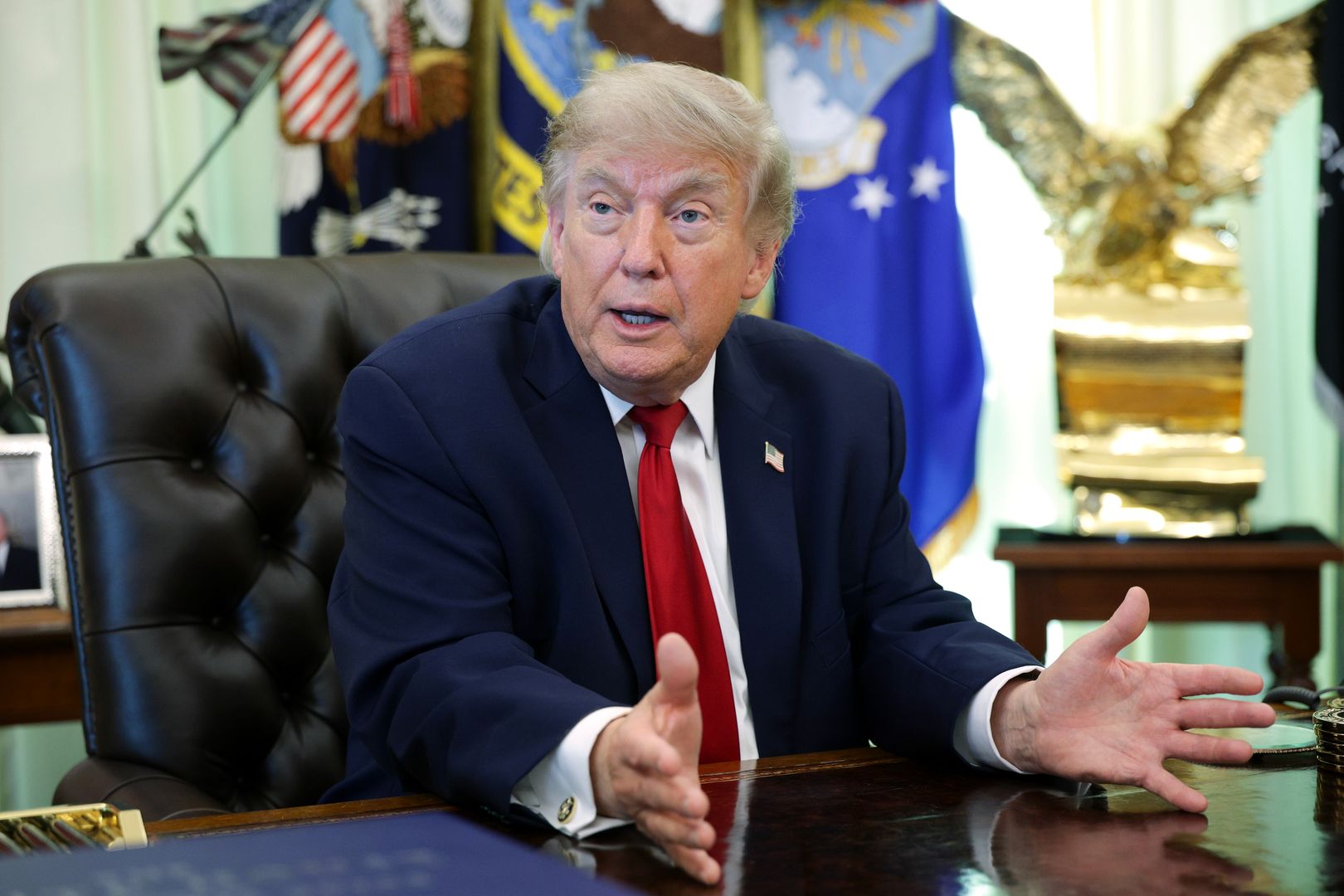
Morning Edition · Wednesday, July 1, 2026Published at 6:31 AM EDT · New York
Trump Discloses More Than 1 Billion Dollars in Crypto Income as a Vote Stalls
The president's 2025 filing reports roughly 1.4 billion dollars tied to memecoin royalties, token sales and Bitcoin, complicating a bill on whether officials may profit from digital assets.
President Donald Trump's 2025 annual financial disclosure, filed with the Office of Government Ethics and certified on June 30, reports more than 1 billion dollars in crypto-related income for the first year of his second term. Reporting on the filing puts the total near 1.4 billion dollars. The largest components are roughly 635 million dollars in royalties tied to his memecoin business and more than 500 million dollars from sales at World Liberty Financial, the crypto firm co-founded by the president, his sons and a senior administration official.
The disclosure also lists more than 50 million dollars in self-custodied Bitcoin held in cold storage, along with holdings in Ether and other tokens.
The filing arrived as Congress weighs the Digital Asset Market Clarity Act, legislation that would divide oversight of crypto between market regulators. The bill has stalled over an amendment that would bar elected officials and their families from issuing, promoting or profiting from digital assets. Supporters of the restriction argue the president's own income makes the conflict concrete. Opponents argue the language is drafted to single out one family and would deter ordinary officeholders from holding any crypto at all.
Viewed through incentives, the disclosure raises a question the industry has avoided. A framework written while the sitting president earns hundreds of millions of dollars from tokens he promotes will be judged less on its text than on who benefits from it. Both sides agree the numbers are large. They disagree on whether that is a reason to legislate faster or to slow down.
Veracity: Corroborated
92/100- If true, who benefits
If the conflict framing holds, the material stakes sit with the president's family businesses and the wider industry seeking a market-structure law written while the sitting president earns from tokens he promotes.
Townsquare
Start a discussion in Townsquare.
More from this edition
- Bitcoin's Worst Month of ETF Redemptions Meets a Citi Downgrade
- Visa, Mastercard and Coinbase Back a Revenue-Sharing Stablecoin
- Ethereum Researchers Weigh Where to Place a Deadline That Governs Reorgs
- A Tokenized-Stock Exploit Caps a Costly Quarter for DeFi Security
- Privacy Chains Sharpen a Question: Who Controls the Off Switch
- Taiwan Passes a Strict Crypto Law as Regulators Draw Harder Lines
- Anchorage and Binance Split Trading From Custody for Institutions
- Bitcoin Custody Turns to Remote Key Management for Treasuries
Comments
0No comments yet.