← The Polylog Crypto Intelligence Brief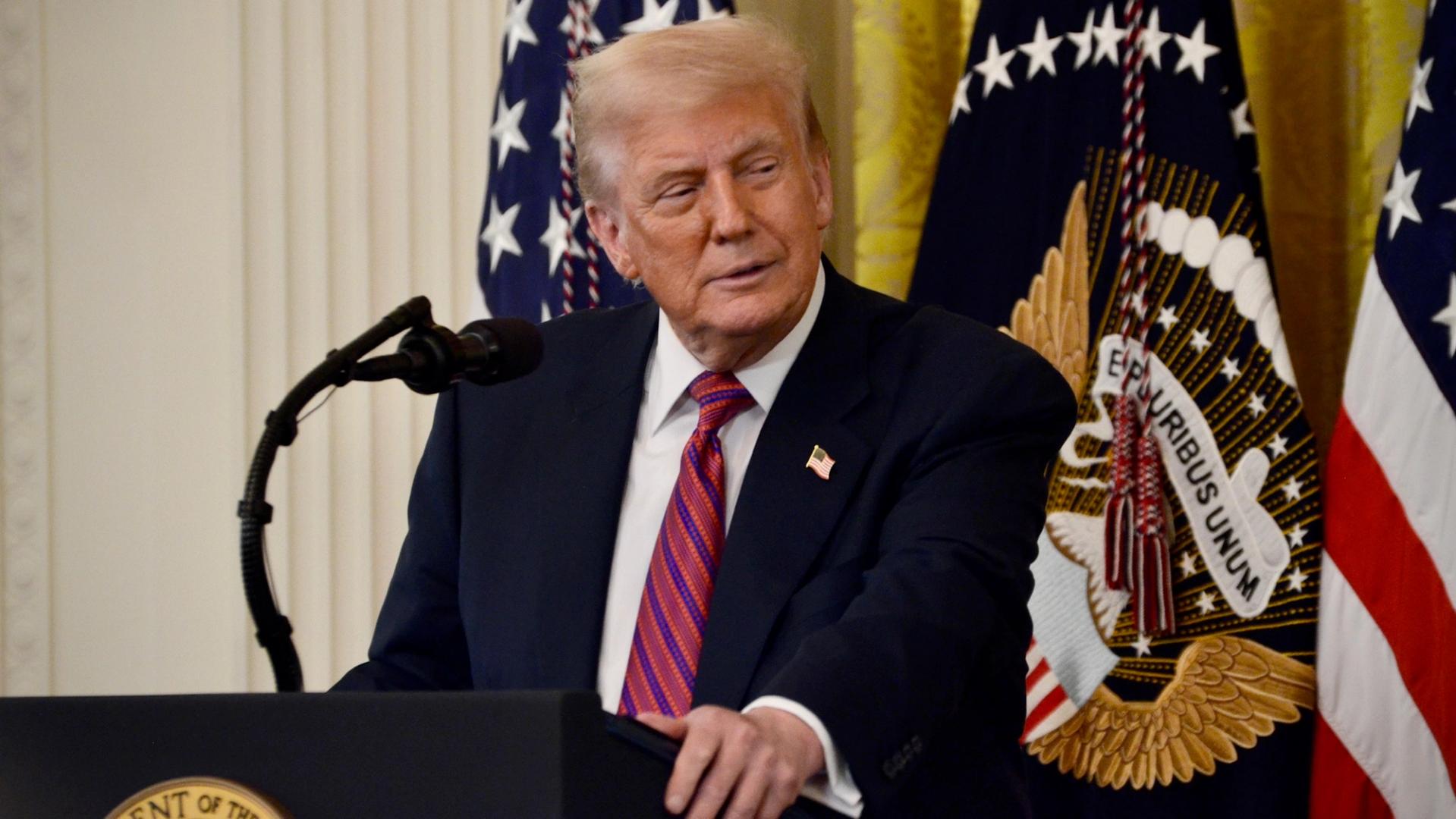
Morning Edition · Saturday, July 11, 2026Published at 1:31 AM EDT · New York
Four-Year Ban on a Fed Digital Dollar Becomes Law Without Trump's Signature
A prohibition on a central bank digital currency, carried in a housing bill, takes effect at midnight after the president declined to sign, ending the Federal Reserve's ability to issue a retail digital currency until the end of 2030.
A four-year ban on a U.S. central bank digital currency (CBDC) becomes law at midnight on July 11, carried into effect by a bipartisan housing-affordability bill that President Donald Trump declined to sign. Under the Constitution, a bill sent to the president becomes law after ten days whether or not he signs it, and Trump chose to withhold his signature in a dispute over a separate measure rather than veto, as CoinDesk reported.
The underlying legislation passed both chambers by margins that would have overridden any veto, 85 to 5 in the Senate and 358 to 32 in the House. The CBDC provision bars the Federal Reserve from issuing its own digital dollar and expires at the end of 2030. Republican sponsors framed the ban as a guard against state surveillance of individual payments, though the Fed had made no serious move to launch a retail digital dollar.
The outcome fits a longer pattern in which crypto-aligned political spending has translated into concrete statutory outcomes. Cointelegraph reported that the industry's lobbying arms have spent roughly $189 million on the 2026 election cycle, money now directed toward a Senate vote on the market-structure CLARITY Act before the August recess.
The practical effect is to leave the private stablecoin sector in control of digital dollars by default. With no public retail alternative permitted for four years, tokenized dollars issued by firms such as Circle and Tether remain the only programmable dollars available to American users, reinforcing the regulated-issuer model rather than a state-run one.
Veracity: Corroborated
94/100- If true, who benefits
Private stablecoin issuers such as Circle and Tether, who face no state-run retail competitor for four years, and the crypto donors who spent roughly $189 million this cycle pressing for favorable statute.
- The nuance
Townsquare
Start a discussion in Townsquare.
More from this edition
- Circle Wins Federal Trust-Bank Charter, Pulling USDC Reserves Toward U.S. Oversight
- Bitcoin's $10 Billion Corporate Credit Market Keeps Growing After Its First Selloff
- Ethereum Foundation Says AI Agents Found Real Protocol Bugs, but Triage Is the Hard Part
- Privacy Layer-2s Move Their Pitch From Niche to Institutional Requirement
- Governance Takeover, a Signing-Library Flaw, and a Laser: July's Security Ledger
- Backpack Opens 24-Hour Trading of Real U.S. Stocks on Solana
- Crypto Firms Form a 27-Member Consortium to Settle Disputes Between AI Agents
Comments
0No comments yet.