← The Global Intelligence Brief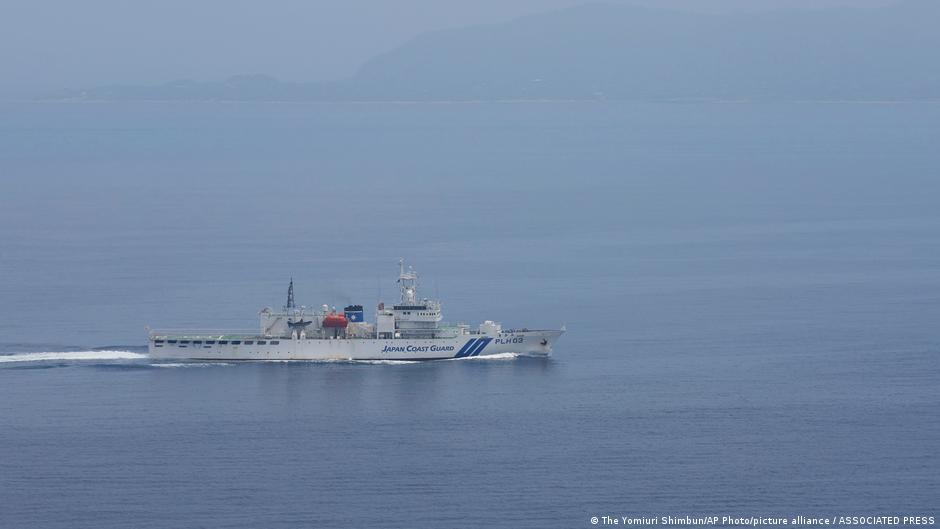

 2 sources
Morning Edition · Sunday, May 31, 2026Published at 7:15 AM EDT · New York
Japan and China Trade Accusations at Asia's Premier Security Forum
Tokyo rejected Beijing's charge of neo-militarism and pointed to China's own arms buildup, as a separate maritime standoff over Scarborough Shoal highlighted a deepening dispute with consequences for critical-mineral supply chains.
At the Shangri-La Dialogue, the annual defence summit in Singapore, Japanese Defence Minister Shinjiro Koizumi rejected China's description of Japan as engaging in neo-militarism and accused Beijing of rapidly expanding its own military across many areas without sufficient transparency. Koizumi noted that Japan possesses neither nuclear weapons nor strategic bombers, contrasting that with China's arsenal, according to the Japan Times.
China sent a lower-level delegation, and its defence minister skipped the forum for a second consecutive year. The absence signaled the tension between the two largest economies in Asia. Beijing's defence ministry had earlier called on the international community to contain what it termed Japanese neo-militarism.
The dispute extends to the sea. The Japan Times reported that China conducted patrols around Scarborough Shoal after the Philippines warned of a threat, at a contested location that has repeatedly produced confrontations over sovereignty and fishing rights.
For investors, the relevant risk is economic. A diplomatic break between China and Japan threatens the supply of rare-earth elements and critical minerals that high-technology manufacturing depends on. The desk tracks this as a forming trend, and the absence of high-level military contact reduces the channels available to manage an accident or miscalculation.
Veracity: Corroborated
82/100- If true, who benefits
Both governments use the exchange domestically, with Tokyo justifying rearmament and Beijing framing Japan as the aggressor.
- The nuance
The verbal clash, China's downgraded delegation, and the Scarborough Shoal patrols are confirmed, but the rare-earth supply disruption is a projected risk, not a present event.
An open-source-intelligence read of how likely this story is true with its real nuance, not a judgment of any outlet. It assesses the claim, weighing independent and adversarial reporting. How we label confidence.
What this means
China dominates the processing of rare-earth elements that the electronics, defence, and auto industries require. A worsening China-Japan relationship raises the probability of export restrictions that would disrupt global manufacturing and accelerate costly efforts to build alternative supply.
What to watch
- Any Chinese export controls on rare earths or critical minerals aimed at Japan.
Synthesized from: Deutsche Welle · The Japan Times
Townsquare
Start a discussion in Townsquare.
More from this edition
- Oil Heads for Its Largest Monthly Drop Since 2020 as a US-Iran Truce Nears
- Ukraine Strikes Saratov Refinery in Renewed Campaign Against Russian Oil Revenue
- Israel Captures Beaufort Castle in Its Deepest Push Into Lebanon in 26 Years
- Colombia Votes in a Presidential Election That Tests Its Leftist Turn
- US Tariffs Squeeze Maine's Lobster Industry Ahead of the Midterms
- Britain's Top Diplomat Heads to China and India in a Reset of Ties
- Malta's Labour Party Wins a Fourth Consecutive Term
- Russia Argues Europe Needs Its Energy as Sanctions Reroute Trade
Comments
0No comments yet.