← The Global Intelligence Brief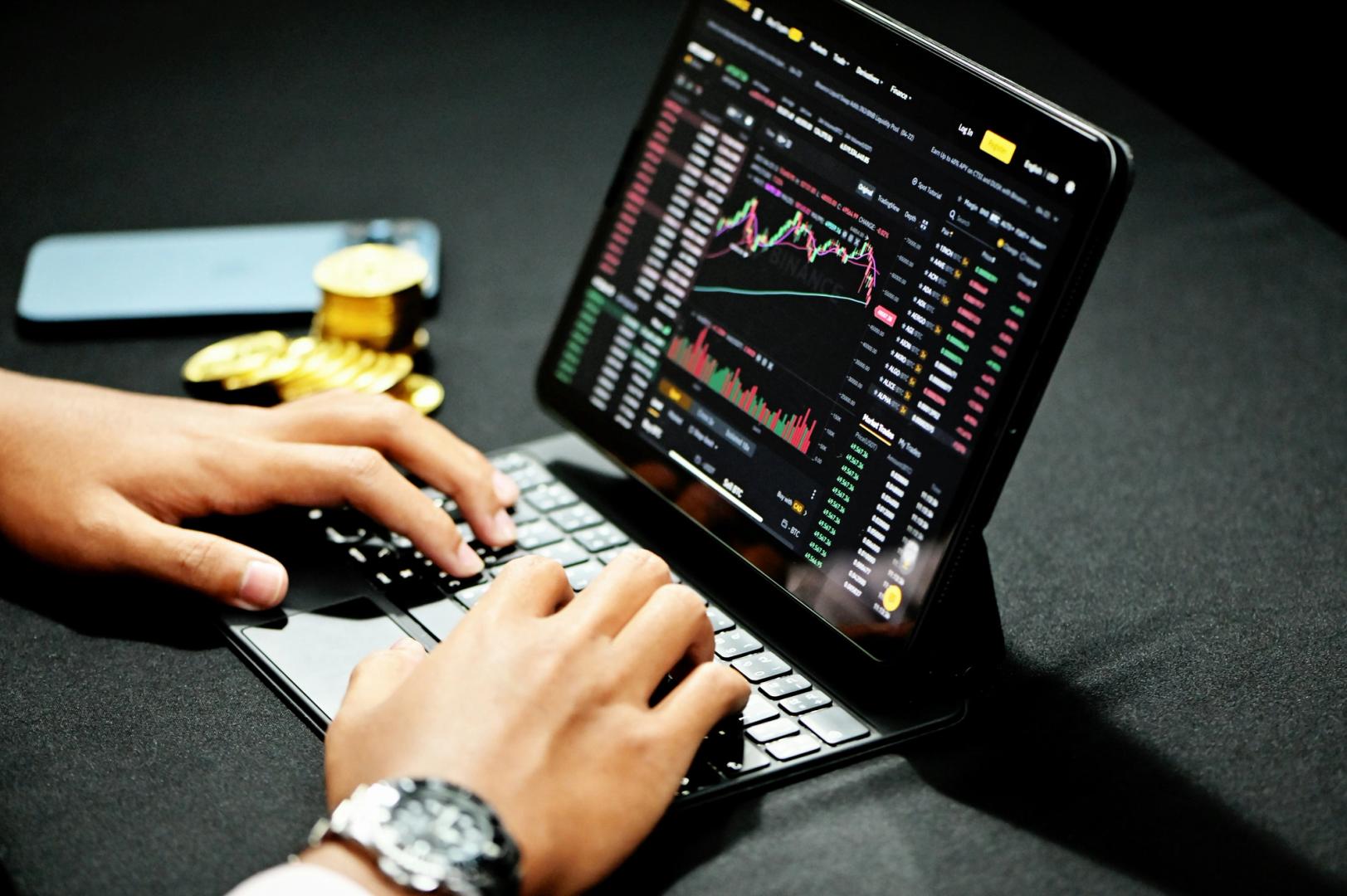
Morning Edition · Monday, June 1, 2026Published at 7:12 AM EDT · New York
Bitcoin and Ether Open June Lower as the Hard-Money Trade Splits
Digital assets fell after a weak May while gold and silver held near elevated levels, ending a long period in which they had moved together.
Bitcoin began June trading near $73,300 and lower on the day, extending a decline from May, a month that has usually produced positive returns for the asset. Ether traded close to $2,000. United States equity index futures rose at the same time, a divergence that suggests investors were willing to take risk in stocks while reducing exposure to crypto.
The divergence extends beyond a single trading session. Bitcoin and software equities, which tracked each other closely for years, have sharply diverged, with technology shares recovering while the largest cryptocurrency lagged. That divergence contrasts with the metals. Gold held above $4,500 an ounce and silver traded near $76, with silver up more than 100 percent from a year earlier, according to market data compiled by Trading Economics.
For investors who treat bitcoin, gold and silver as related claims on a debasing currency, the question is which signal to trust. The companies built around bitcoin accumulation continue to rely on financial engineering. Strategy, the corporate treasury that holds bitcoin, kept the dividend on its STRC preferred shares at 11.5 percent for a fourth straight month, balancing yield against its ability to issue stock and keep buying the asset.
What this means
For most of the past year, these assets moved together because they shared a single driver, a weaker dollar and abundant liquidity. A divergence between metals and digital assets implies the market is starting to price them on different fundamentals, which tests the idea that bitcoin functions as digital gold.
What to watch
- Whether bitcoin reconnects with technology equities or continues to trade on its own.
- Silver's ability to hold above the levels it reached during its recent rise.
- Issuance and dividend decisions at bitcoin treasury companies as a measure of stress in that model.
Observations to monitor, not financial advice.
Townsquare
Start a discussion in Townsquare.
More from this edition
- Oil Posts Its Worst Month Since 2020 as Traders Bet on a Ceasefire That Is Not Yet Signed
- Dell's AI-Server Surge Adds Tens of Billions in Value and Lifts the Technology Trade
- United States and Iran Trade Fresh Strikes as Kuwait Says It Was Hit
- Israel Orders Strikes on Beirut's Southern Suburbs as Hezbollah Rockets Hit the North
- French and British Navies Seize a Russia-Linked Tanker, and Moscow Calls It Piracy
- Tehran's Stock Index Climbs as Iran Eases Imports, but in a Weakening Currency
- Colombia's Far-Right Candidate Wins the First Round, Setting Up a Polarized Runoff
- Russia Says Ukraine Struck the Zaporizhzhia Plant Site, While the IAEA Has Not Assigned Blame
Comments
0No comments yet.