← The Global Intelligence Brief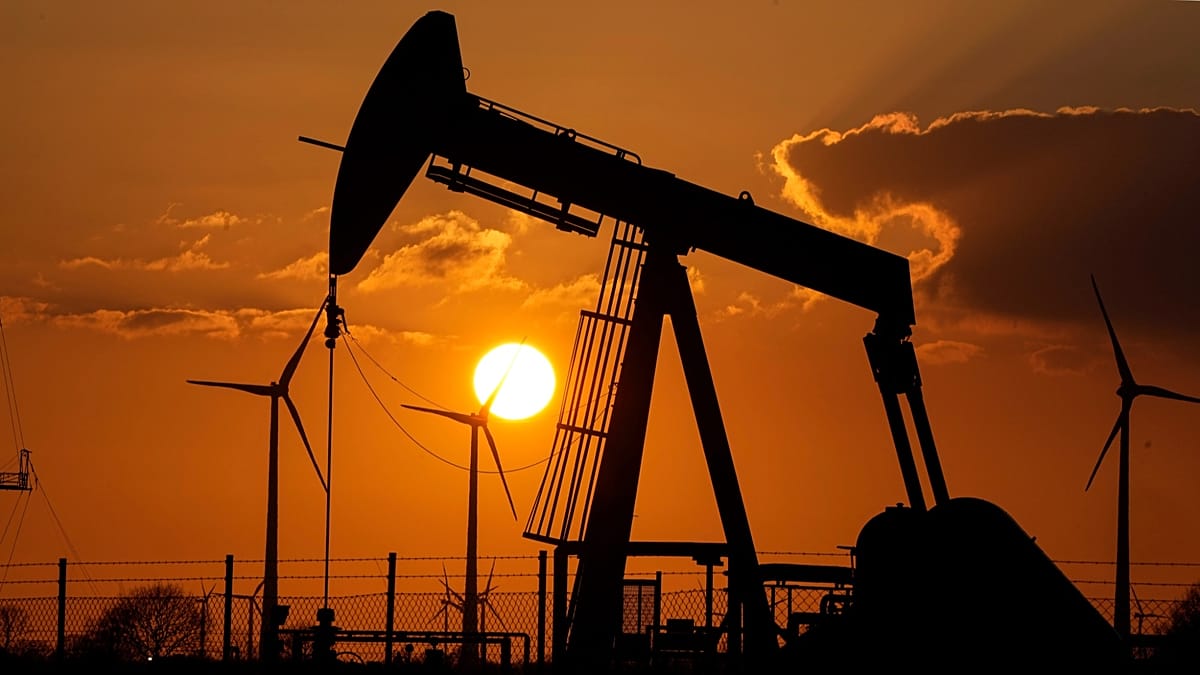
 1 source
Morning Edition · Monday, June 1, 2026Published at 7:12 AM EDT · New York
Germany Leads Europe in Renewables but Still Pays Among Its Highest Power Prices
Strong solar and wind output in 2025 has not lowered bills, because prices remain tied to costly fossil fuels.
Germany generated more electricity from solar and wind in 2025 than any other European Union country, yet its consumers and businesses still pay among the highest electricity prices in the bloc, according to Euronews. The reason is how wholesale power is priced. The most expensive plant needed to meet demand sets the rate for all suppliers, which keeps bills tied to volatile natural gas and coal even when cheap renewable supply is abundant.
The mismatch has become a political and industrial problem. High energy costs burden German manufacturing, the central part of the country's export economy, and they complicate the argument that the renewable build-out delivers cheaper power to households.
The case illustrates a wider European dilemma. Adding wind and solar capacity does not automatically produce lower prices when market design and grid constraints keep fossil fuels as the price-setting source.
What this means
The gap between abundant renewable supply and persistently high prices is a structural feature of how electricity markets are designed, not a temporary problem, and it bears directly on the competitiveness of one of Europe's largest manufacturing economies. Energy costs are now a primary question for industrial investment decisions on the continent.
What to watch
- Any German or EU proposal to change wholesale electricity market design.
- Natural gas prices in Europe heading into the next heating season.
Observations to monitor, not financial advice.
Source: Euronews
Townsquare
Start a discussion in Townsquare.
More from this edition
- Oil Posts Its Worst Month Since 2020 as Traders Bet on a Ceasefire That Is Not Yet Signed
- Bitcoin and Ether Open June Lower as the Hard-Money Trade Splits
- Dell's AI-Server Surge Adds Tens of Billions in Value and Lifts the Technology Trade
- United States and Iran Trade Fresh Strikes as Kuwait Says It Was Hit
- Israel Orders Strikes on Beirut's Southern Suburbs as Hezbollah Rockets Hit the North
- French and British Navies Seize a Russia-Linked Tanker, and Moscow Calls It Piracy
- Tehran's Stock Index Climbs as Iran Eases Imports, but in a Weakening Currency
- Colombia's Far-Right Candidate Wins the First Round, Setting Up a Polarized Runoff
Comments
0No comments yet.