← The Global Intelligence Brief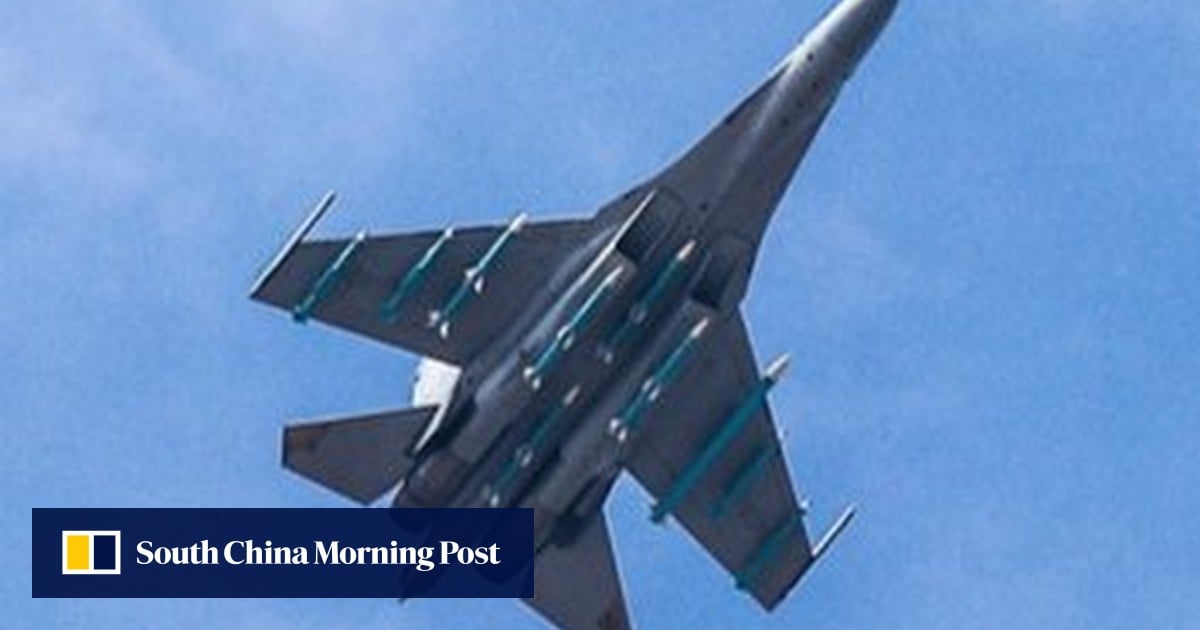
 1 source
Morning Edition · Wednesday, June 3, 2026Published at 7:12 AM EDT · New York
China's New Air-to-Air Missile Draws Scrutiny After Rafale Losses
An unverified image of the PL-16 suggests a range beyond 300 kilometers, intensifying an Indo-Pacific contest in long-range weapons.
China's latest air-to-air missile, the PL-16, could have a range of more than 300 kilometers because of a variable-thrust rocket motor, according to an unverified image circulating online and analyzed by the South China Morning Post. The report cautions that the image has not been authenticated, so the specifications remain a claim rather than a confirmed capability.
The interest follows reporting that an earlier Chinese missile, the PL-15, downed French-made Rafale fighter jets in combat, a result that drew attention to the reach of Chinese air-to-air weapons. The PL-16 disclosure also came weeks after the first image emerged of the United States Air Force's new AIM-260 missile, indicating that Washington and Beijing are advancing competing long-range systems at a similar pace.
The development adds to an arms race that has been growing across the Indo-Pacific, where Japan and other regional powers are expanding their militaries and, in Tokyo's case, moving to export missiles. Longer-range air-to-air weapons change the conditions of air superiority by allowing aircraft to threaten targets from greater distances, including high-value support planes.
For markets, the trend supports sustained demand in the defense and aerospace sectors and reinforces the case for supply-chain diversification away from single points of dependence, particularly in advanced electronics and propulsion.
Veracity: Plausible
55/100- If true, who benefits
China's military prestige and defense-budget advocates across the Indo-Pacific, who gain from the perception of a longer-reach Chinese missile.
- The nuance
The article correctly flags the image as unauthenticated, and the headline ">300 km" range is an inference from that unverified photo, while independent analysts put the PL-16 nearer 280 km.
An open-source-intelligence read of how likely this story is true with its real nuance, not a judgment of any outlet. It assesses the claim, weighing independent and adversarial reporting. How we label confidence.
What this means
Even unverified, the PL-16 claim signals that the air-power balance in the Indo-Pacific is shifting toward longer engagement ranges, which pressures regional states to invest in countermeasures and their own systems. That dynamic sustains a multi-year cycle of defense spending across Asia.
What to watch
Source: South China Morning Post
Townsquare
Start a discussion in Townsquare.
More from this edition
- Washington Revives Broad Tariffs, Targeting 60 Economies Over Forced Labor
- Bitcoin Holds Near 67,000 Dollars After a Week of Losses as Gold Slips From Highs
- Iranian Strike Shuts Kuwait's Main Airport as US and Iran Trade Fire
- Ukrainian Drones Burn a St. Petersburg Oil Terminal as Russia Opens Its Economic Forum
- European Fiscal Strain Surfaces as Portugal Strikes and Brussels Warns on Deficits
- Trump Confirms Profane Call With Netanyahu Over Lebanon Escalation
- Yen Slides Toward 160 Per Dollar Despite Heavy Tokyo Intervention
- South Korea's Ruling Party Projected to Sweep Local Elections
Comments
0No comments yet.