← The Global Intelligence Brief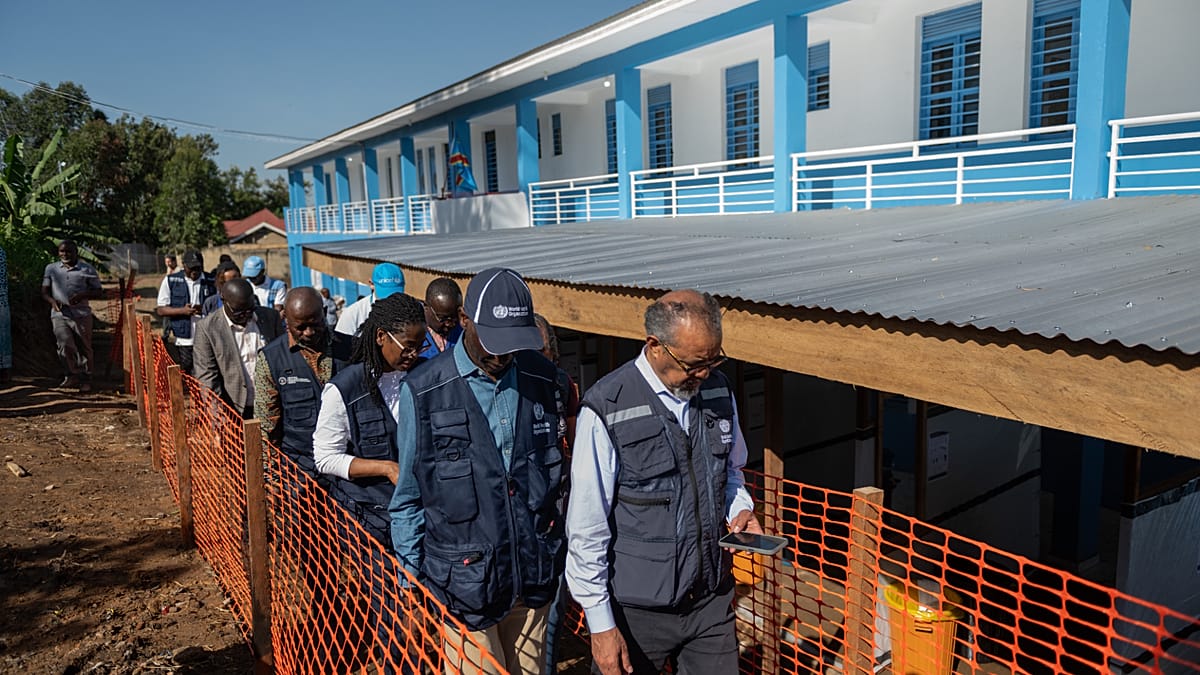
 1 source
Morning Edition · Wednesday, June 3, 2026Published at 7:12 AM EDT · New York
WHO Sharply Cuts Congo Ebola Case Count to 116 From Over 1,000
The revision reduces the apparent scale of the outbreak but leaves questions about earlier estimates and ongoing containment.
The World Health Organization (WHO) sharply revised its count of Ebola cases in the Democratic Republic of Congo, lowering the figure to 116 suspected cases from earlier estimates that had exceeded 1,000, Euronews reported. The downward correction substantially reduces the apparent size of the outbreak.
A revision of that magnitude raises questions about how the initial, much higher numbers were generated, and whether they reflected double counting, suspected cases that were never confirmed, or reporting difficulties in a region where surveillance is hard to maintain. The WHO described the new total as suspected cases, indicating that laboratory confirmation is still in progress.
The episode matters beyond the immediate health response because accurate case counts drive the allocation of vaccines, funding and medical personnel. Overstated figures can divert scarce resources, while understated ones can allow an outbreak to spread, and the credibility of the reporting affects how donors and neighboring governments respond.
The United Nations has separately warned that the strain on health budgets from the Middle East war is raising the cost of vaccines and affecting children across Africa, a reminder that distant conflicts and local health emergencies compete for the same limited resources.
Veracity: Plausible
58/100- If true, who benefits
Narratives questioning WHO competence and outbreak surveillance, which gain from the appearance of a tenfold overcount.
- The nuance
The revision is real, but the "from over 1,000" framing is misleading: the earlier figure was about 906 suspected cases, and the article omits that the WHO still reports 321 confirmed cases, so the outbreak did not shrink to 116 overall.
An open-source-intelligence read of how likely this story is true with its real nuance, not a judgment of any outlet. It assesses the claim, weighing independent and adversarial reporting. How we label confidence.
What this means
A tenfold downward revision in case numbers will reshape the international response and test confidence in outbreak surveillance. Reliable data is the foundation for deploying vaccines and funding, and large corrections complicate that effort.
What to watch
Source: Euronews
Townsquare
Start a discussion in Townsquare.
More from this edition
- Washington Revives Broad Tariffs, Targeting 60 Economies Over Forced Labor
- Bitcoin Holds Near 67,000 Dollars After a Week of Losses as Gold Slips From Highs
- Iranian Strike Shuts Kuwait's Main Airport as US and Iran Trade Fire
- Ukrainian Drones Burn a St. Petersburg Oil Terminal as Russia Opens Its Economic Forum
- European Fiscal Strain Surfaces as Portugal Strikes and Brussels Warns on Deficits
- Trump Confirms Profane Call With Netanyahu Over Lebanon Escalation
- Yen Slides Toward 160 Per Dollar Despite Heavy Tokyo Intervention
- South Korea's Ruling Party Projected to Sweep Local Elections
Comments
0No comments yet.