← The Global Intelligence Brief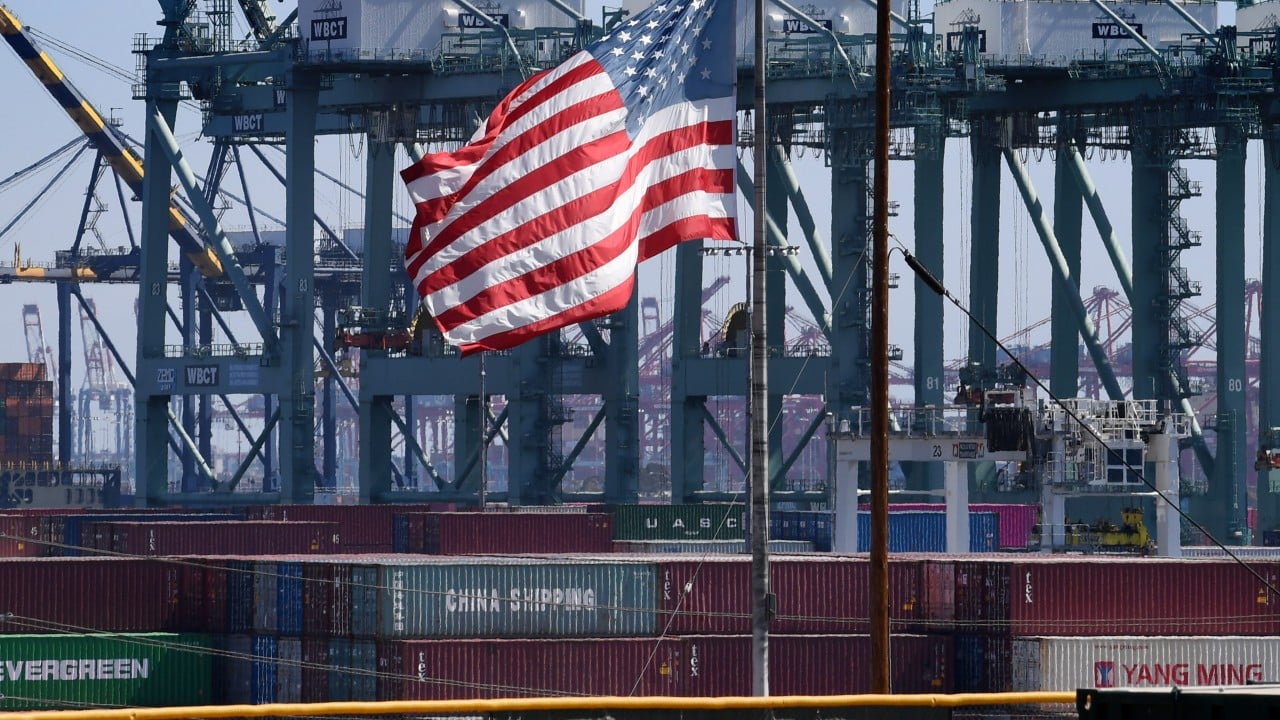
 2 sources
Morning Edition · Thursday, June 11, 2026Published at 7:56 AM EDT · New York
Paulson Warns Against a United States and China Break as Beijing's Biotech Pushes Outward
A former United States Treasury secretary says distrust now poses a greater risk than trade imbalances, even as Chinese firms call their global expansion irreversible.
Henry Paulson, the former United States Treasury secretary, urged Washington and Beijing to manage their strategic competition before it widens into broader conflict. The South China Morning Post reported that Paulson sees deepening distrust, rather than trade imbalances, as the greater danger to the relationship between the world's two largest economies.
His warning arrives as the commercial split keeps widening. The same newspaper reported that Chinese biotechnology firms are pressing ahead with global expansion that industry insiders call irreversible, even as Washington rolls out investment restrictions and national-security measures intended to slow their advance.
Both accounts come from a Hong Kong outlet and reflect a view from the Chinese side of the divide. Read together, they describe a decoupling that policy is accelerating rather than preventing. Each new United States restriction pushes Chinese firms to build supply chains, capital sources and markets that route around the United States, which is the structural shift investors should track.
Veracity: Corroborated
85/100- If true, who benefits
Beijing and Chinese biotechnology firms benefit from the message that United States pressure is futile and that decoupling harms American business more than Chinese industry.
- The nuance
Paulson's warning is genuine and consistent with his record, but the claim that Chinese biotech expansion is "irreversible" is industry and state-aligned framing carried by a Hong Kong outlet, not an independent measure of the restrictions' effect.
An open-source-intelligence read of how likely this story is true with its real nuance, not a judgment of any outlet. It assesses the claim, weighing independent and adversarial reporting. How we label confidence.
What this means
The United States and China decoupling is moving from tariffs into capital and technology, and the response from Chinese industry is to globalize faster rather than retreat. For investors, the relevant question is no longer whether the two economies separate, but how quickly parallel systems in finance and technology take shape.
What to watch
Synthesized from: South China Morning Post (Diplomacy) · South China Morning Post (Business)
Townsquare
Start a discussion in Townsquare.
More from this edition
- Inflation Surprise Revives Rate-Hike Fears as Gold Falls to Six-Month Low
- United States and Iran Trade Strikes as Hormuz Returns to the Center of the Oil Market
- Bitcoin Holds a Technical Level That Ether and Solana Cannot
- SpaceX Listing Approaches With a Two-Trillion-Dollar Valuation and Open Questions
- British Defense Secretary Resigns Over Military Spending in a Setback for Starmer
- Third Ship With Indian Crew Attacked Near Oman as Gulf Shipping Risk Climbs
- European Union Readies New Russia Sanctions as Trade Reroutes Around the Blocs
- Japan Says July Oil Imports Will Return to Pre-War Levels
Comments
0No comments yet.