← The Global Intelligence Brief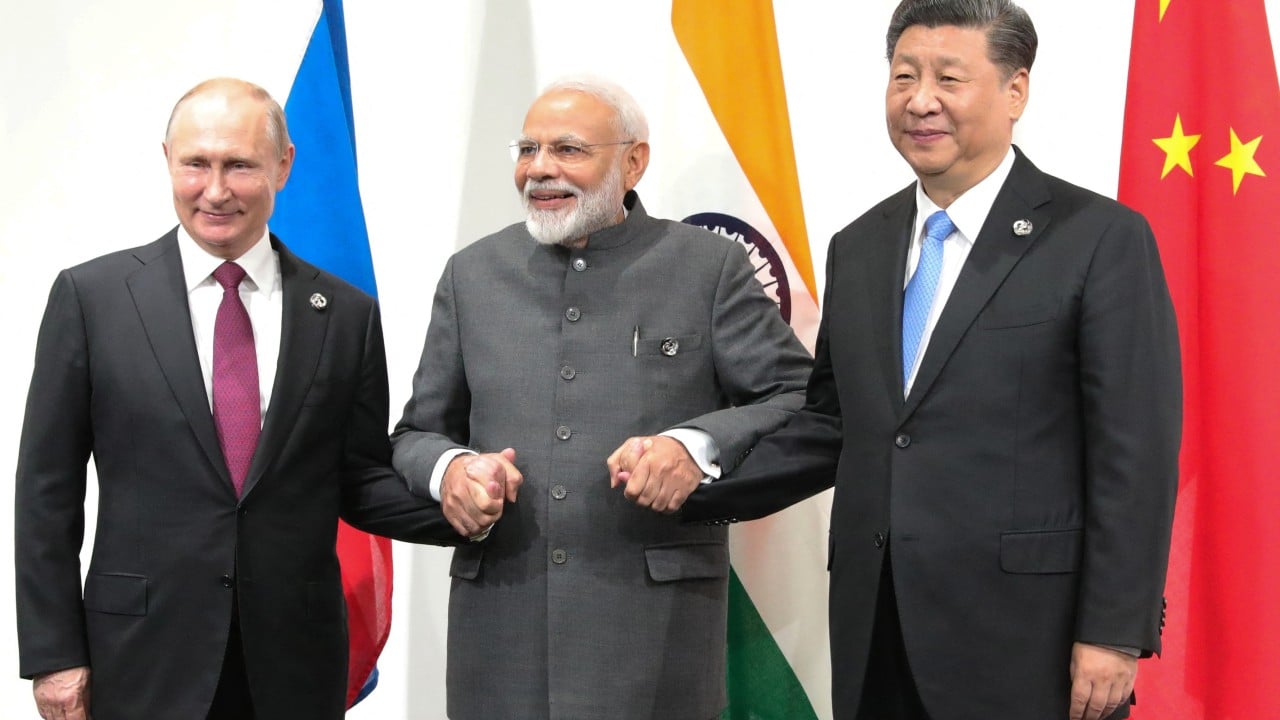

 2 sources
Morning Edition · Sunday, June 14, 2026Published at 9:57 AM EDT · New York
India Softens Its Portrayal of China, and Talk of a Eurasian Axis Returns
Bollywood is dropping Beijing as a stock villain even as Russian voices call for closer alignment among Russia, China and India, suggesting a slow shift in the global order.
India's popular culture is shifting its treatment of China. After the 2020 Galwan Valley clashes turned Indian public sentiment sharply against Beijing, Bollywood is now dropping China as a default villain, a change the South China Morning Post describes as a sign of improving official ties and a possible step toward closer coordination among Russia, China and India.
From Moscow, the framing is more explicit. Gennady Zyuganov, leader of Russia's Communist Party, argued in a broadcast that peace depends on the combined strength of Russia, China, India, Vietnam and North Korea, language that recasts a loose grouping as a deliberate alliance to oppose the West.
These are signals, not a settled bloc, and India in particular guards its strategic independence and remains wary of subordinating itself to Beijing. Taken together with separate moves by Indonesia and others toward Eurasian trade arrangements, they point to the gradual, uneven movement toward a multipolar order that underlies much of today's geopolitics.
Veracity: Plausible
55/100- If true, who benefits
Moscow gains from projecting a Russia-China-India bloc opposing the West, a multipolar narrative that serves Russian and Chinese interests more than Indian policy.
- The nuance
The Bollywood shift and easing India-China ties are real, but the leap to a "Eurasian axis" is soft and pushed mainly by Russian voices, while New Delhi guards its strategic autonomy and no formal alliance exists.
An open-source-intelligence read of how likely this story is true with its real nuance, not a judgment of any outlet. It assesses the claim, weighing independent and adversarial reporting. How we label confidence.
What this means
A genuine improvement in relations between Asia's two largest economies, paired with Russian calls for alignment, would accelerate the long migration of trade and capital toward arrangements outside Western control. Cultural cues and party rhetoric are soft evidence, but they follow the same trends of moving away from the US dollar and toward a multipolar order that affect commodities and currencies over time.
What to watch
Synthesized from: South China Morning Post · Komsomolskaya Pravda
Townsquare
Start a discussion in Townsquare.
More from this edition
- Draft US-Iran Accord Promises an Oil Sanctions Waiver, and Crude Prices Fall
- Israeli Strikes on Beirut Suburbs Test the Emerging Iran Truce
- Ukrainian Drones Hit Russian Oil Sites as Both Sides Trade Claims
- Britain Makes Its First Solo Seizure of a Russian Shadow-Fleet Tanker
- Tokenized US Treasuries Pass 14 Billion Dollars as Wall Street and Crypto Converge
- Report Says China's Conventional Strike Threat to Australia Is Growing
- Swiss Voters Reject a Plan to Cap the Population at 10 Million
- Modi Opens a European Tour in France With a Push on Deep Tech
Comments
0No comments yet.