← The Global Intelligence Brief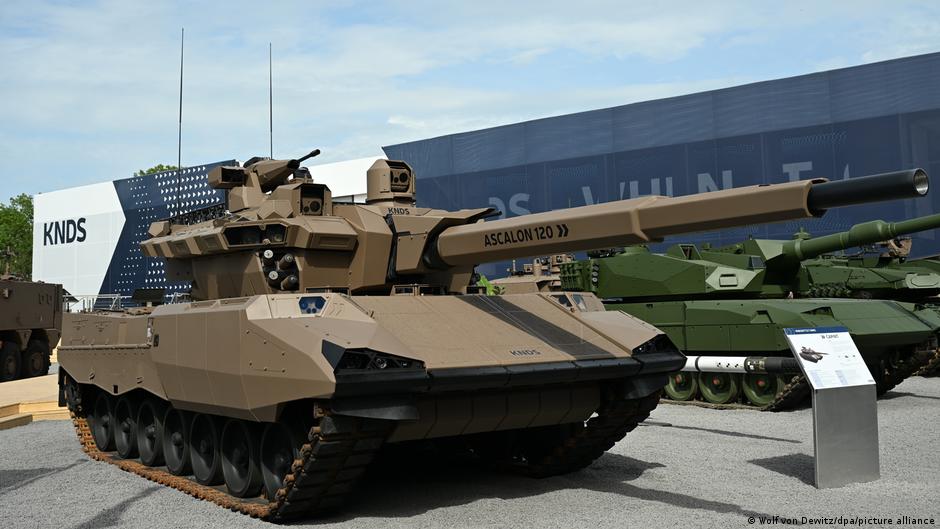

 2 sources
Morning Edition · Thursday, June 25, 2026Published at 6:14 AM EDT · New York
Germany Takes Control Stake in Tankmaker as Allies Rearm
Berlin will buy 40% of KNDS, while Canada explores joining a major fighter program, signs of state-led consolidation in defense manufacturing.
The German government will buy a 40% stake in KNDS, the Franco-German manufacturer of tanks and armored vehicles. Deutsche Welle reported that the deal is as much about control in the critical defense sector as about the Franco-German relationship, giving Berlin direct influence over a strategically important producer as European rearmament accelerates.
The move coincides with realignment in allied fighter programs. The Japan Times reported that Canada's defense minister said he discussed the Global Combat Air Programme with his Japanese counterpart. The Global Combat Air Programme (GCAP) is the joint fighter effort involving Japan, the United Kingdom and Italy. Canadian interest comes as the program attracts new potential partners and after a rival European fighter project collapsed.
Together the developments point to a broader pattern. As the United States reduces its security commitments and a multipolar arms race intensifies, governments are taking direct stakes in defense manufacturers and consolidating around shared programs, treating weapons production as strategic infrastructure rather than an ordinary industry.
Veracity: Corroborated
90/100- If true, who benefits
The German state and KNDS gain direct control and listing proceeds, and European defense investors gain exposure as rearmament drives military budgets higher.
- The nuance
The stake is structured around a planned Paris and Frankfurt listing with France retaining its holding through Giat, so "control" is one reading of a deal that is also a financing and IPO arrangement.
An open-source-intelligence read of how likely this story is true with its real nuance, not a judgment of any outlet. It assesses the claim, weighing independent and adversarial reporting. How we label confidence.
What this means
States are moving from buying weapons to owning the companies that make them, a shift that directs public money into defense manufacturing and commits governments to higher military spending. For Europe and the Indo-Pacific alike, this signals a structural rise in defense budgets and a reordering of which countries build the next generation of weapons.
What to watch
Synthesized from: Deutsche Welle · The Japan Times
Townsquare
Start a discussion in Townsquare.
More from this edition
- Micron's Memory Boom Reverses a Global Chip Selloff
- US Presses Iran Truce and Rejects Tolls on the Strait of Hormuz
- Brent Falls Below $74 as Hormuz Shipping Resumes
- Twin Earthquakes Kill at Least 32 in Venezuela
- Europe Sends First Tranche of €90 Billion Loan to Ukraine
- Warsh's Fed Weighs Whether AI Justifies Easier Money
- Kenya's Gen Z Protesters Return to Nairobi Two Years On
- Russia Urges Users Off Apple After VK Apps Pulled From App Store
Comments
0No comments yet.