← The Global Intelligence Brief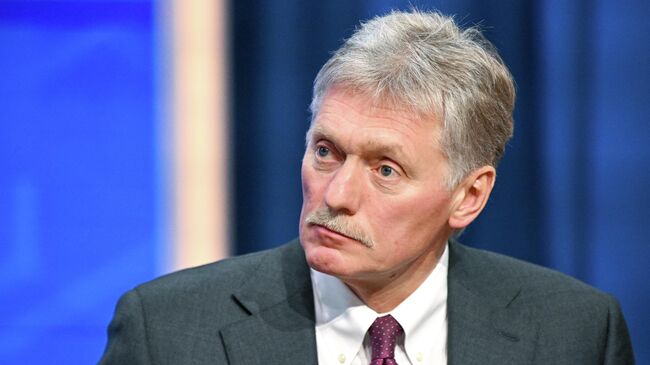

 3 sources
Morning Edition · Thursday, June 25, 2026UpdatedPublished at 5:06 PM EDT · New York
Russia Urges Users Off Apple After VK Apps Pulled From App Store
The Kremlin advised switching to Android and domestic systems after Apple removed applications from the state-linked social network VK.
Updated at 5:06 PM EDT
Apple's removal expanded to about 16 VK apps including the flagship VKontakte, and Apple said it acted to comply with sanctions.
Apple removed applications belonging to VK, the Russian social-media and technology group, from the Russian segment of its App Store. The removal expanded over the course of June 25 to roughly 16 of the holding's applications, including VK Video, VK Messenger and the social network Odnoklassniki, with the flagship VKontakte application taken down about an hour after the others, the Moscow Times reported. Apple said it removed the applications to comply with sanctions. Kremlin spokesman Dmitry Peskov said it was not the first time Apple had removed Russian applications, according to the Russian outlet Ostorozhno Novosti, and he advised active users to switch to Android devices and domestic systems. RIA Novosti reported that Peskov also said relevant agencies would contact Apple about the removals.
The removal continues a steady separation of Russia's digital life from Western technology platforms since 2022. Moscow has pushed citizens toward domestic operating systems and applications, framing dependence on Apple and Google services as a strategic vulnerability.
The episode shows how the global internet is partitioning along geopolitical lines. As platforms apply Western policy and sanctions, sanctioned states accelerate the construction of parallel digital ecosystems, reducing Western leverage but also fragmenting the technology market.
Veracity: Corroborated
85/100- If true, who benefits
The Kremlin gains by casting the removals as Western hostility to accelerate its push toward domestic hardware and software and reduce reliance on Apple and Google.
- The nuance
Apple acted on sanctions tied to VK's leadership rather than an arbitrary ban, VK says it was never sanctioned, and the apps remain available on Google Play, RuStore and other stores.
An open-source-intelligence read of how likely this story is true with its real nuance, not a judgment of any outlet. It assesses the claim, weighing independent and adversarial reporting. How we label confidence.
What this means
Each removal of a major app pushes Russia further toward a self-contained digital sphere built on domestic hardware and software. For global technology companies, the steady loss of the Russian market is one example of how geopolitics is splitting the internet into separate, less interoperable systems.
What to watch
Synthesized from: Polylog editors · RIA Novosti · RIA Novosti
Townsquare
Start a discussion in Townsquare.
More from this edition
- Micron's Memory Boom Reverses a Global Chip Selloff
- US Presses Iran Truce and Rejects Tolls on the Strait of Hormuz
- Brent Falls Below $74 as Hormuz Shipping Resumes
- Twin Earthquakes Kill at Least 32 in Venezuela
- Europe Sends First Tranche of €90 Billion Loan to Ukraine
- Warsh's Fed Weighs Whether AI Justifies Easier Money
- Kenya's Gen Z Protesters Return to Nairobi Two Years On
- Germany Takes Control Stake in Tankmaker as Allies Rearm
Comments
0No comments yet.