← The Global Intelligence Brief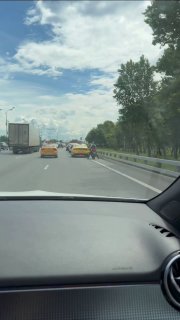

 2 sources
Morning Edition · Saturday, June 27, 2026Published at 6:15 AM EDT · New York
Fuel Queues Form Around Moscow as Russia's War Economy Strains
Long lines at Rosneft stations point to fuel shortages as Ukrainian strikes on refineries and energy infrastructure persist.
Long lines of vehicles formed at Rosneft filling stations around Moscow, with the business channel Bankrollo publishing video of large queues on the MKAD ring road near the Shchyolkovo highway. The scene is consistent with the fuel shortages and rationing that have appeared in parts of Russia as the war's pressure on refining capacity builds.
The strain reflects a two-sided energy war. The independent outlet Ostorozhno Novosti reported that one person was killed and 11 injured in a strike on an industrial enterprise in the Volgograd region, with rescuers still searching for a worker. Ukraine has sustained a campaign against Russian refineries and fuel logistics, and Russia in turn says it is striking Ukrainian energy and transport targets. The Russian Defense Ministry, cited by Kommersant, said its forces hit fuel-energy and transport infrastructure used by Ukraine's military over the previous day.
For an economy organized around the war, the queues matter beyond inconvenience. When domestic fuel supply tightens while the state directs resources toward the front, price controls and rationing distort the market and reveal the limits of a growth model built on wartime demand.
Veracity: Corroborated
85/100- If true, who benefits
Ukraine and its Western backers gain by showing strikes on Russian refineries reaching ordinary consumers, reinforcing the case that the war economy is degrading.
- The nuance
A single Telegram video of one Moscow-area station is anecdotal, though independent outlets confirm rationing across most Russian regions and roughly a fifth of refining capacity offline.
An open-source-intelligence read of how likely this story is true with its real nuance, not a judgment of any outlet. It assesses the claim, weighing independent and adversarial reporting. How we label confidence.
What this means
Visible fuel queues in the capital region signal that the disruption to Russian refining is reaching consumers, not just export revenue. That is the kind of supply-and-price distortion that erodes the demand-driven growth that has sustained the war economy.
What to watch
- Reports of fuel rationing or export bans on gasoline and diesel, because formal restrictions would confirm that shortages are systemic rather than local.
Synthesized from: Polylog editors · Kommersant
Townsquare
Start a discussion in Townsquare.
More from this edition
- The AI Trade Faces a Reckoning as Bubble Fears Grow and Washington Tightens Its Grip
- Iran Strikes US Bases in Bahrain and Kuwait as US Launches Fresh Strikes on Iran
- Gold Climbs Toward $4,100 as Bitcoin Slides and Crude Sinks
- Venezuela's Earthquake Toll Passes 900 as US Aid Reshapes a Fragile Recovery
- Israel and Lebanon Reach Phased Disengagement as US-Israel Ties Show Strain
- Burkina Faso Severs Ties With France in Deepening Sahel Break From the West
- EU Weighs Ending Protection for Military-Age Ukrainian Men
- China and Russia Fly More Than Ten Warplanes Into South Korea's Air Defense Zone
Comments
0No comments yet.