← The Global Intelligence Brief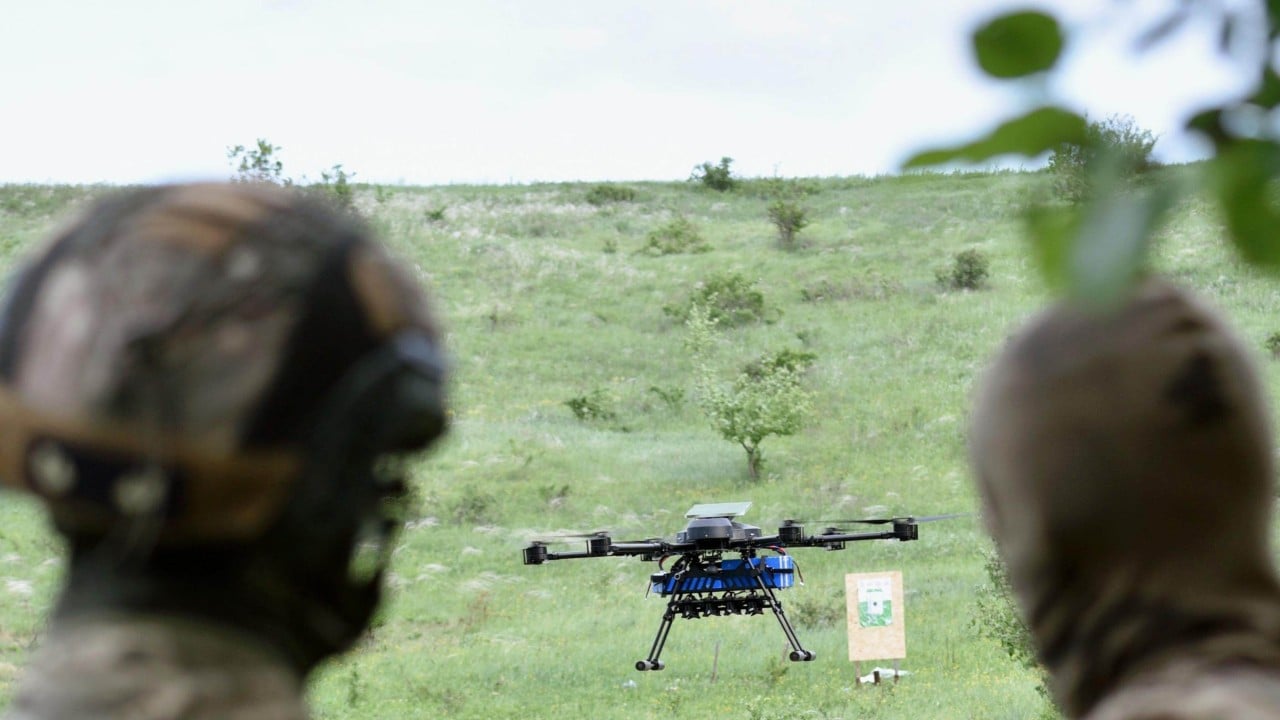

 2 sources
Morning Edition · Tuesday, June 30, 2026Published at 6:17 AM EDT · New York
Britain Unveils Defense Plan Built Around Drones and Uncrewed Vehicles
London prioritizes 5 billion pounds for autonomous weapons as European states confront a security gap left by United States withdrawal.
Britain set out a defense plan on Tuesday that places drones, self-flying fighter jets, and uncrewed submarines at the center of its future military, prioritizing about 5 billion pounds, or 6.6 billion dollars, of investment, according to the South China Morning Post. The plan reflects a judgment that cheap, autonomous technology has transformed warfare, a lesson drawn directly from the war in Ukraine.
The shift comes as the United States speeds up the withdrawal of its forces from Europe, leaving European governments to provide those forces themselves. The human cost of the war that is reshaping these military plans remains visible in daily life, as a New York Times account of a school prom in Kyiv marked by loss showed.
For European industry, the plan signals sustained demand for unmanned systems and a shift away from the crewed platforms that dominated procurement for decades.
Veracity: Corroborated
90/100- If true, who benefits
Makers of autonomous and uncrewed systems gain sustained orders, and the framing supports broader European rearmament and the public spending that accompanies it.
- The nuance
The 5 billion pounds is a reprioritization toward drones within an existing budget, and London's official framing foregrounds the Russian threat and NATO spending targets rather than the article's emphasis on United States withdrawal.
An open-source-intelligence read of how likely this story is true with its real nuance, not a judgment of any outlet. It assesses the claim, weighing independent and adversarial reporting. How we label confidence.
What this means
European rearmament is shifting toward autonomous systems, which favors a different set of defense suppliers and lowers the cost of each strike in modern warfare. As Washington reduces its military presence, the scale and direction of European military spending becomes a structural theme for the continent's industrial base and public finances.
What to watch
Synthesized from: South China Morning Post · The New York Times
Townsquare
Start a discussion in Townsquare.
More from this edition
- Yen Falls to Four-Decade Low Against the Dollar as Tokyo Weighs Intervention
- Washington and Tehran Give Conflicting Accounts of Planned Doha Talks
- China Squeezes Japan on Rare Earths as the European Union Sets a Trade Deadline
- Russian Banks Post Record Payouts as Their Chief Executive Warns on the Economy
- Venezuela's Earthquake Toll Passes 1,700 as Aid and Food Run Short
- European Heatwave Drives Up Power Demand as Health Officials Warn of Worse to Come
- Keiko Fujimori Wins Peru's Presidency by About 50,000 Votes
- Indonesia Pushes Market Reforms While Deepening Ties With Russia
Comments
0No comments yet.