← The Global Intelligence Brief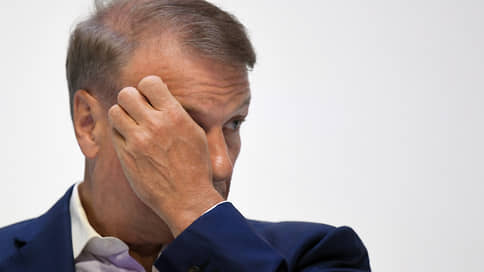
 3 sources
Morning Edition · Tuesday, June 30, 2026Published at 6:17 AM EDT · New York
Russian Banks Post Record Payouts as Their Chief Executive Warns on the Economy
Sberbank approved a dividend equal to half its 2025 profit and VTB forecast strong profit, even as Sberbank's chief executive said the company's planning horizon has shrunk toward zero.
Russia's largest lender, Sberbank, used its annual shareholder meeting on Tuesday to approve a dividend of about 850 billion rubles for 2025, or 37.64 rubles per share, which its own filings describe as a record payout equal to half of net profit. More than 425 billion rubles will go to the federal budget. Shares rose about 1 percent after the announcement, according to the Telegram channel Bankrollo. The state lender VTB separately told shareholders it expects at least 600 billion rubles of net profit in 2026, according to its chairman, Andrei Kostin.
The optimism behind the payout contrasted with unusually bleak remarks from Sberbank's chief executive, German Gref. He said the combination of geopolitics and rapid technological change has driven the company's planning horizon toward zero, that waiting for the situation to change is pointless, and that it is best to focus on the present. In separate comments, he argued that a sharp rise in Russian share prices would require both an easing of monetary policy and an improvement in the geopolitical situation, neither of which he treated as near.
The two messages are not in conflict. Banks that profit from high interest rates can pay large dividends precisely because the central bank has kept policy tight to contain inflation. At the same time, the broader economy that those rates are meant to slow shows the strain Gref described.
Veracity: Corroborated
82/100- If true, who benefits
The Russian state, which collects more than 425 billion rubles of the payout, and both narratives at once, the Kremlin's of robust banks and the Western one of a strained war economy.
- The nuance
The record dividend reflects genuine record 2025 profit, so Gref's bleak "planning horizon toward zero" remark, carried by Kommersant, is one executive's framing rather than independently measured economic distress.
An open-source-intelligence read of how likely this story is true with its real nuance, not a judgment of any outlet. It assesses the claim, weighing independent and adversarial reporting. How we label confidence.
What this means
Large bank dividends financed by high rates are a feature of a war economy under monetary stress, not a sign of underlying health. The frank warning from one of Russia's most prominent executives that planning has become impossible suggests confidence is eroding even as state-linked banks report strong results. A large share of those profits is being redirected to the federal budget.
What to watch
Synthesized from: Kommersant · Kommersant · Kommersant
Townsquare
Start a discussion in Townsquare.
More from this edition
- Yen Falls to Four-Decade Low Against the Dollar as Tokyo Weighs Intervention
- Washington and Tehran Give Conflicting Accounts of Planned Doha Talks
- China Squeezes Japan on Rare Earths as the European Union Sets a Trade Deadline
- Venezuela's Earthquake Toll Passes 1,700 as Aid and Food Run Short
- European Heatwave Drives Up Power Demand as Health Officials Warn of Worse to Come
- Keiko Fujimori Wins Peru's Presidency by About 50,000 Votes
- Britain Unveils Defense Plan Built Around Drones and Uncrewed Vehicles
- Indonesia Pushes Market Reforms While Deepening Ties With Russia
Comments
0No comments yet.