← The Global Intelligence Brief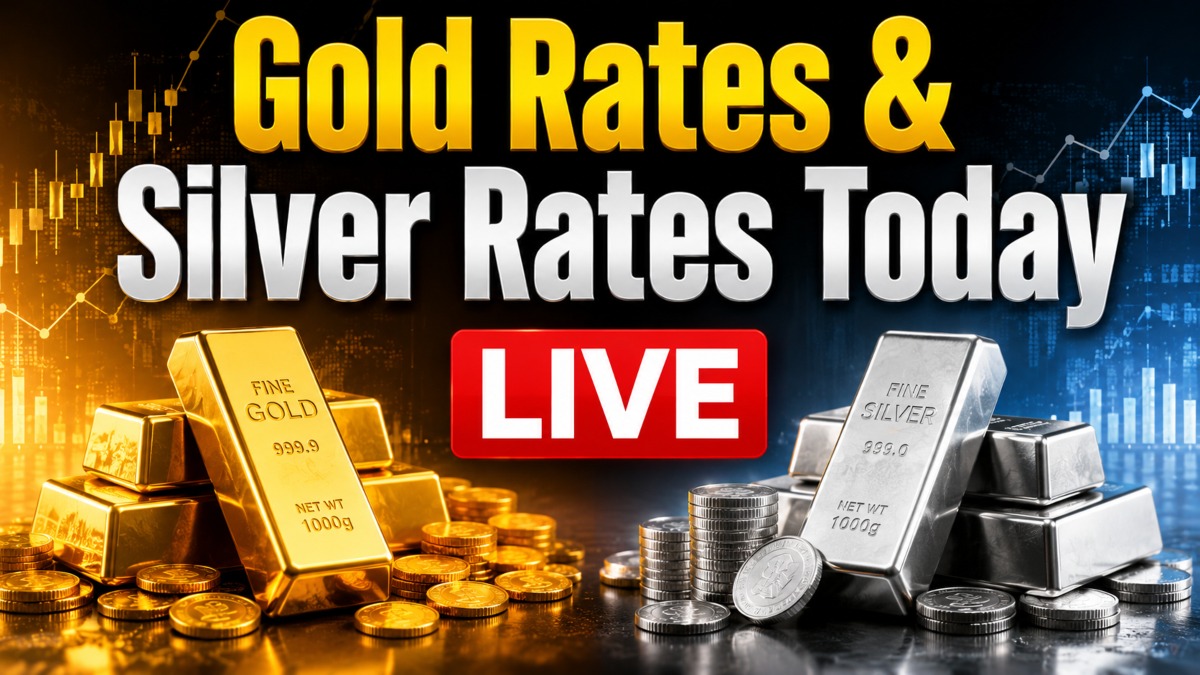


 3 sources
Morning Edition · Saturday, July 11, 2026Published at 1:33 AM EDT · New York
Gold and Silver Retreat as a Firmer Dollar and Hawkish Fed Pull Hard Assets Lower
Gold slipped to about 4,118 dollars an ounce for a weekly loss near 1.5 percent and silver fell roughly 4 percent, while bitcoin held near 64,000 dollars.
The metals tied to hard money fell this week. Spot gold eased to roughly 4,118 dollars an ounce, a weekly decline of about 1.5 percent, and silver fell more, ending near 59.50 dollars an ounce, down roughly 4 percent on the week and about 6 percent over the month. Bitcoin, the non-sovereign asset that trades alongside them, held near 64,000 dollars, up on the day but still below where it traded earlier in the year.
The immediate driver is the same force raising the dollar and lowering the yen: a Federal Reserve leaning toward tighter policy under its new chair. A firmer dollar and higher real yields raise the opportunity cost of holding assets that pay no interest, and neither gold nor silver pays a coupon.
The pullback does not end the case for hard money so much as test it. The structural demand, as the Financial Times and Fortune have both noted through the year, rests on doubts about the sustainability of state finances, on central banks defending weakening currencies, and on the slow diversification of reserves away from the dollar. Those forces play out over years. A hawkish Fed moves prices within weeks, and this week that near-term pressure prevailed.
What this means
Precious metals sell off when real yields rise because the cost of holding a non-yielding asset increases, so the near-term loser is anyone positioned for an imminent rise in metals, and the near-term winner is the dollar and short-dated Treasuries. The longer thesis is unresolved. If the Fed's tightening proves temporary and fiscal strain persists, hard-money demand returns, whereas a sustained high-rate environment limits metals' gains. What decides it is whether real yields stay elevated or decline.
What to watch
- The path of US real yields, the most direct lever on gold and silver, where a decline would remove the current downward pressure.
- Central-bank gold buying data, since continued official accumulation would show reserve managers still diversifying away from the dollar regardless of the price dip.
- Bitcoin's behavior relative to the metals, which will show whether investors treat it as a hard-money substitute or as a risk asset that trades with equities.
Observations to monitor, not financial advice.
Synthesized from: Goodreturns · Forbes Advisor · Fortune
Townsquare
Start a discussion in Townsquare.
More from this edition
- SK Hynix Raises 26.5 Billion Dollars in the Largest Foreign IPO in US History, Then Jumps 13 Percent
- Iran Declares Strait of Hormuz Closed and Strikes a US-Manned Base in Jordan as the Ceasefire Collapses
- Yen Falls to Its Weakest Since 1986 as a Reformist Fed Chair Keeps the Dollar Firm
- Russia Says It Struck Kyiv Defense Plants and Odesa Ports as the War's Attrition Grinds On
- EU Tells Meta That Facebook and Instagram's "Addictive" Design Breaches Its Digital Rulebook
- IEA Chief Calls Europe's Slow Electrification a "Major Mistake" That Left It Exposed
- China Recovers a Rocket Booster at Sea, Becoming the Second Nation to Bring One Back Under Control
Comments
0No comments yet.