← The Global Intelligence Brief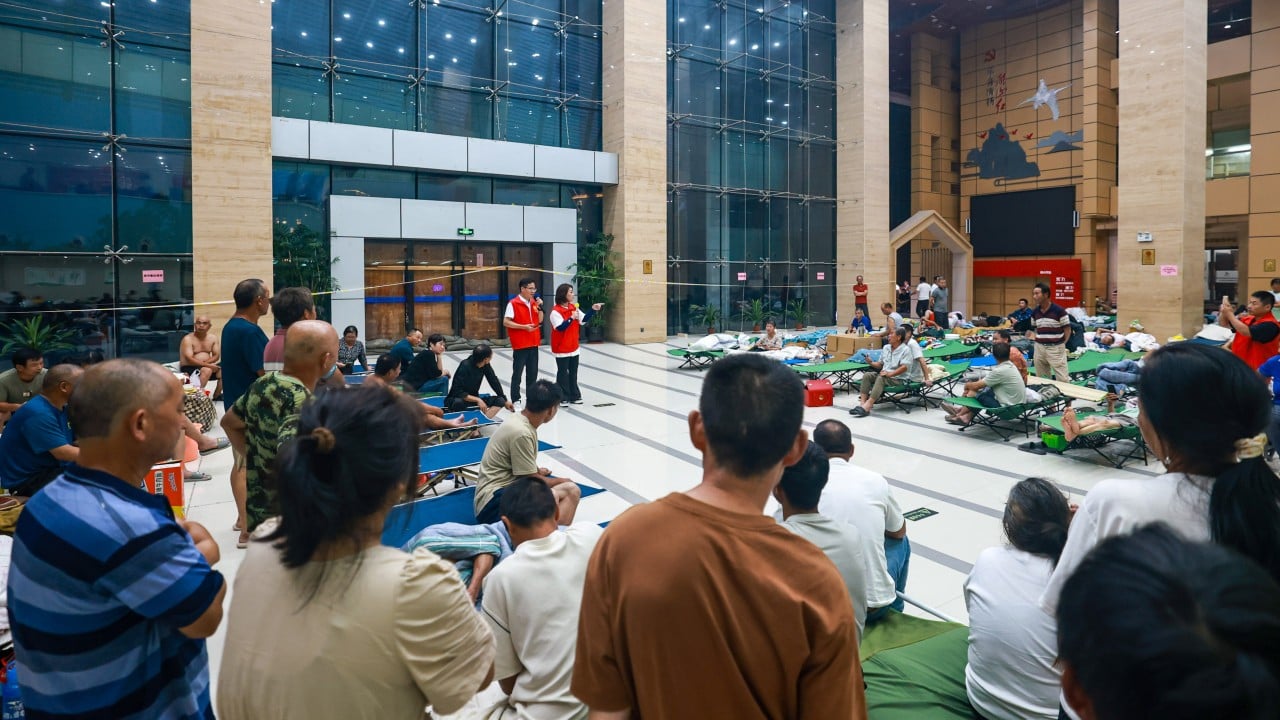
 1 source
Morning Edition · Sunday, July 12, 2026Published at 1:12 AM EDT · New York
Typhoon Bavi Forces 2.4 Million From Their Homes in Eastern China
The second major storm to strike the country in a week grounded more than 2,800 flights and halted rail service.
Typhoon Bavi made landfall in eastern China on Saturday night, the second major storm to hit the country within a week, the South China Morning Post reported. Authorities evacuated more than 2.4 million people from areas in the storm's path.
The disruption to transport was substantial. More than 2,800 flights were cancelled, along with many train services, as heavy rain moved across a densely populated and industrially important stretch of the country. Two large storms in quick succession compounded the strain on logistics.
Eastern China concentrates ports, factories and export infrastructure, so weather that halts movement there disrupts supply chains that extend far beyond the country. The immediate human priority is safety, but the economic effect of a storm in this region is measured in delayed shipments and idled production.
Part of a tracked trend
Disasters as Political and Supply Shocks
Major natural disasters in commodity-producing states translate into political instability and supply disruptions that markets increasingly have to price, recurring as climate and geological shocks hit fragile economies.
What this means
A storm that shuts ports, airports and rail in eastern China interrupts the movement of goods through one of the world's most important manufacturing and export corridors, and the effect reaches importers and shippers well outside China. The exposed parties are supply chains dependent on Chinese ports and the factories idled during the shutdown, through delayed deliveries and higher freight costs. Back-to-back storms raise the odds that short disruptions accumulate into a measurable drag on output.
What to watch
- How quickly the affected ports and airports return to normal operations, which determines whether the disruption is a brief delay or a lasting bottleneck.
- Whether further storms follow in the same corridor, since repeated hits compound the logistics strain.
Observations to monitor, not financial advice.
Source: South China Morning Post
Townsquare
Start a discussion in Townsquare.
More from this edition
- Iran Says It Struck 85 U.S. Military Sites in Bahrain and Kuwait in Direct Attack on American Forces
- Gold Slips Toward $4,100 Even as the Gulf War Reignites
- China Forces Its Ratings Firms to Strip Inflated Triple-A Grades From Bonds
- Iran Tells Washington the Era of One-Sided Agreements Is Over
- Russia Says It Downed 349 Ukrainian Drones Overnight as Strikes Reach Deep Inside Its Territory
- Fourteen Governments Mark a Decade Since the South China Sea Ruling China Still Rejects
- The European Union Searches for Ways Around Its Own Budget Trap
- Brussels Prepares Fines for Big Technology Firms Over Consumer Protection Failures
Comments
0No comments yet.