← The Global Intelligence Brief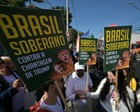

 2 sources
Morning Edition · Thursday, July 16, 2026Published at 1:30 AM EDT · New York
US Sets 25% Tariffs on Brazil Next Week as Australia Bends to a Separate Trade Threat
Washington cites an investigation into Brazilian trade practices, while Canberra moves to criminalize supply-chain forced labor after a United States tariff warning.
Brazil condemned a United States decision to impose 25% tariffs on a range of Brazilian products next week, The Guardian reported. The United States trade office cited an investigation into Brazilian trade practices, and Secretary of State Marco Rubio said the policies of President Luiz Inacio Lula da Silva were "bad for Americans and bad for Brazilians." Brazil's government rejected that description and called the measure coercive.
Separately, Australia moved to toughen its modern slavery penalties after a United States tariff threat, The Japan Times reported. The new law would create a criminal offense when companies with revenue above 70 million dollars fail to prevent forced labor and debt bondage in their supply chains.
The two cases show the same tool used in two ways. Against Brazil, the tariff is the penalty. Against Australia, the threat of one was enough to change a partner's domestic law.
Veracity: Corroborated
82/100- If true, who benefits
United States firms competing with Brazilian exports and an administration seeking leverage, while the tariff pressures Brasilia to change policy under threat.
- The nuance
The "unfair trade practices" rationale confirmed by CNBC omits the political backdrop, the prosecution of former president Jair Bolsonaro that Washington has tied to the dispute, and the exemptions for coffee, beef and orange juice.
An open-source-intelligence read of how likely this story is true with its real nuance, not a judgment of any outlet. It assesses the claim, weighing independent and adversarial reporting. How we label confidence.
What this means
Tariffs applied for reasons beyond trade balances raise costs for exposed exporters and pressure trading partners to alter policy under threat rather than negotiation. Brazilian producers of the targeted goods lose United States market access directly, while the Australian case shows the tool reshaping legislation abroad, which spreads compliance costs across global supply chains and invites retaliation that fragments trade further.
What to watch
Synthesized from: The Guardian · The Japan Times
Townsquare
Start a discussion in Townsquare.
More from this edition
- Softer US Inflation Lifts Bitcoin Toward $65,000 as Ether Leads on ETF Inflows
- US Reimposes Naval Blockade and Claims Role as Hormuz "Guardian" After Iranian Missiles Hit Two Tankers
- China's Imports From Africa Surge After Beijing Expands Zero-Tariff Access
- Russia Says It Struck Kyiv Drone Plants as Britain's Departing Leader Visits Ukraine
- Nvidia Deepens Toyota AI Tie-Up as Japan Rewrites Rules for Machine Intelligence
- Pakistan Joins China-Led AI Body as Beijing Consolidates a Parallel Tech Sphere
- Indian Stocks Hold Firm Despite Middle East Conflict as Lenders Post Strong Earnings
Comments
0No comments yet.