← The Global Intelligence Brief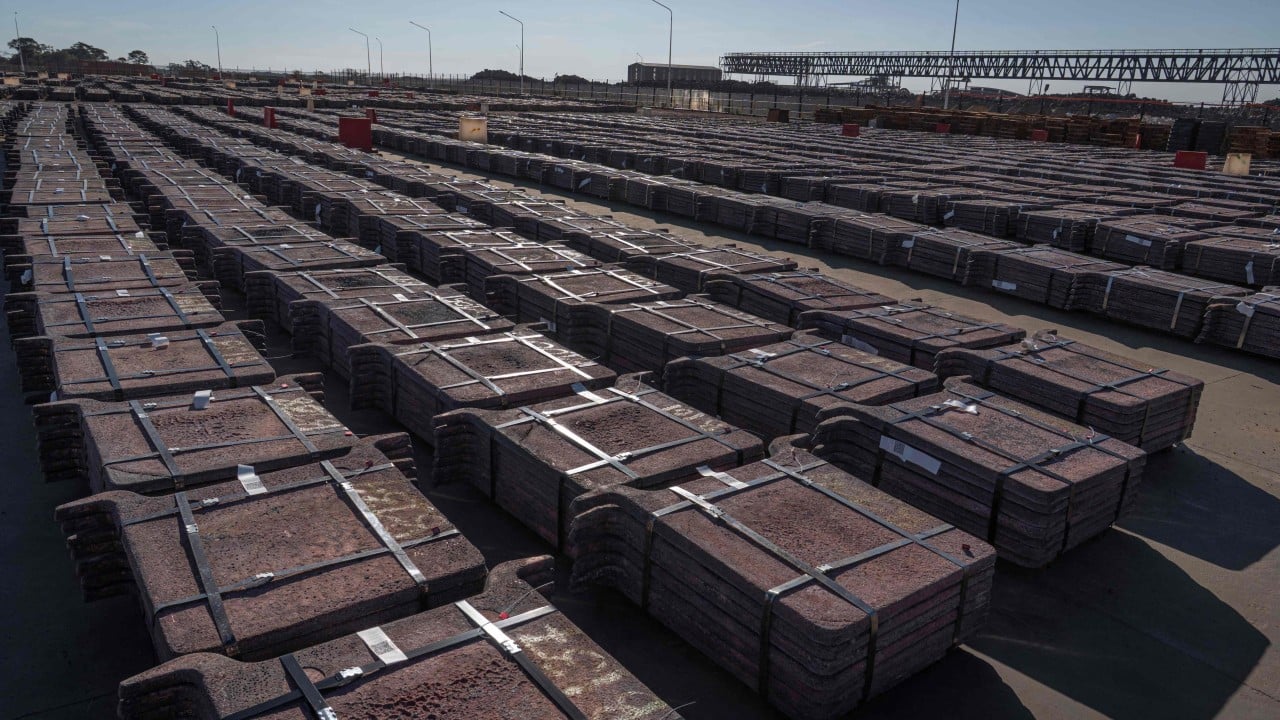

 2 sources
Morning Edition · Thursday, July 16, 2026Published at 1:30 AM EDT · New York
China's Imports From Africa Surge After Beijing Expands Zero-Tariff Access
Customs data show new trade links forming across the continent alongside critical minerals, as Indonesia presses BRICS partners to coordinate on future workforce skills.
Africa's exports to China have risen since Beijing expanded a zero-tariff policy across the continent in May, the South China Morning Post reported, citing customs data that show new trade in emerging sectors alongside traditional categories such as critical minerals.
The shift matters because it reverses China's usual trade pattern. Rather than only exporting its manufacturing surplus, Beijing is opening its own market to producers across the Global South and building supply relationships in metals and agricultural goods that fall outside Western-led channels.
The same coordination appears in other forums. At a BRICS meeting, Indonesia's manpower minister, Yassierli, urged members to strengthen future-skills forecasting, part of a broader effort by the bloc to align labor and industrial policy across member states.
Veracity: Corroborated
85/100- If true, who benefits
African mineral and commodity exporters and Chinese manufacturers securing inputs, plus Beijing's push to present itself as an alternative demand center to Western markets.
- The nuance
The May and June surges of 21% and 40% are real, but they are amplified by high commodity prices and a low base, and dollar displacement remains aspirational rather than measured.
An open-source-intelligence read of how likely this story is true with its real nuance, not a judgment of any outlet. It assesses the claim, weighing independent and adversarial reporting. How we label confidence.
What this means
Duty-free access to China's market gives African mineral and commodity producers an alternative demand center and deepens settlement and supply channels that do not route through the dollar or Western institutions. The beneficiaries are African exporters of critical minerals and China's manufacturers securing inputs, while the slow effect is a parallel trade architecture that erodes Western leverage over years rather than months.
What to watch
Synthesized from: South China Morning Post · Antara
Townsquare
Start a discussion in Townsquare.
More from this edition
- Softer US Inflation Lifts Bitcoin Toward $65,000 as Ether Leads on ETF Inflows
- US Reimposes Naval Blockade and Claims Role as Hormuz "Guardian" After Iranian Missiles Hit Two Tankers
- US Sets 25% Tariffs on Brazil Next Week as Australia Bends to a Separate Trade Threat
- Russia Says It Struck Kyiv Drone Plants as Britain's Departing Leader Visits Ukraine
- Nvidia Deepens Toyota AI Tie-Up as Japan Rewrites Rules for Machine Intelligence
- Pakistan Joins China-Led AI Body as Beijing Consolidates a Parallel Tech Sphere
- Indian Stocks Hold Firm Despite Middle East Conflict as Lenders Post Strong Earnings
Comments
0No comments yet.