← The Global Intelligence Brief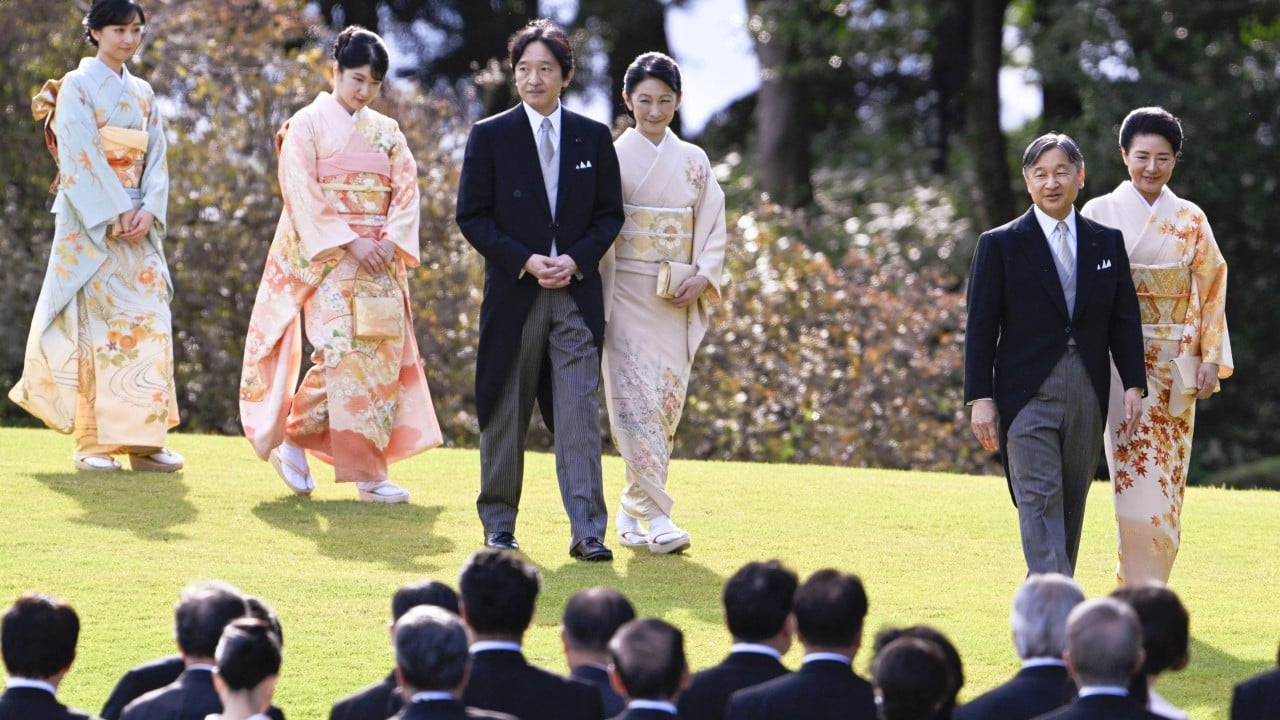

 2 sources
Morning Edition · Friday, July 17, 2026Published at 1:11 AM EDT · New York
Japan Revises Imperial Succession Law but Keeps the Throne Male-Only
A change to the 1947 law lets adopted male descendants inherit, yet parliament again rejected allowing women to reign despite broad public support.
Japan's parliament approved a revision to its Imperial House Law on Friday intended to address a shrinking royal family, while keeping the centuries-old rule that only men may sit on the throne.
The South China Morning Post reported that the change, the first substantive revision to the 1947 law, allows male descendants of former imperial branches to inherit through adoption, and provides that female royals who marry commoners become ordinary citizens. Lawmakers again declined to permit female emperors despite public opinion favoring the idea. The Russian outlet Kommersant reported the same outcome, noting parliament retained the ban on women ascending the Chrysanthemum Throne against wide public backing for equality.
The measure is a narrow fix to a demographic problem. The imperial line has few eligible male heirs, and the revision widens the pool without reopening the more contentious question of female succession.
The story is a small illustration of a larger pressure facing Japan and much of the developed world. A society with an aging population and low birth rate confronts the same demographic pressure in its institutions that it faces in its labor force and pension system. Even a monarchy, insulated from markets, must legislate around a shrinking base of people, the same constraint that shapes Japan's long-run growth and fiscal outlook.
What this means
The succession fix is a symbol of the demographic constraint that drives Japan's structural challenges, from a shrinking labor force to the fiscal weight of an aging population. Exposed over the long run are Japanese growth potential and public finances, through the channel of a falling working-age population that limits output and raises the ratio of retirees to workers, the same force pressuring pension and healthcare budgets.
What to watch
- Japan's birth-rate and immigration policy, since these determine whether the working-age population stabilizes or keeps contracting.
- Bank of Japan and fiscal decisions on funding an aging society, which shape the yen and Japanese government bond outlook.
Observations to monitor, not financial advice.
Synthesized from: South China Morning Post · Kommersant
Townsquare
Start a discussion in Townsquare.
More from this edition
- Semiconductor Selloff Spreads From Wall Street to Asia, Nikkei Falls More Than 4 Percent
- Iran Widens War to US Gulf Allies, Damaging Kuwait Water Plant as Qatar and Jordan Intercept Missiles
- Bitcoin Falls Below 64,000 Dollars as Risk Assets Retreat on War and Trade Fears
- Trump Alleges Chinese Interference and Voter Fraud Ahead of United States Midterms
- Real Wages Remain Below 2021 Levels in a Third of European Economies
- China Condemns Britain's Nationalization of Its Last Major Steelworks
- Russia Strikes Ukrainian Black Sea Ports at Odesa and Chornomorsk
- Xi Says China Must Take a Leading Role in Artificial Intelligence
Comments
0No comments yet.