← The Global Intelligence Brief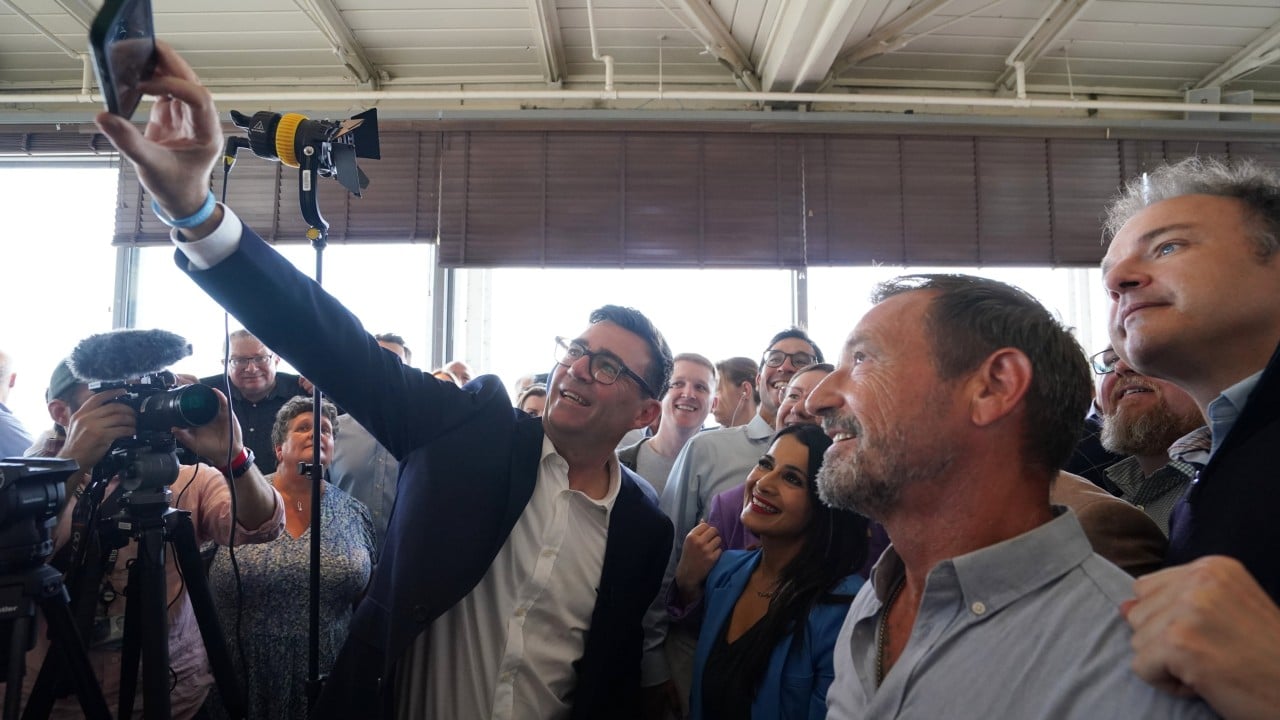

 2 sources
Morning Edition · Saturday, July 18, 2026Published at 1:16 AM EDT · New York
Britain's Incoming Leader Faces a Day-One Decision on Backing US Strikes on Iran
Washington is seeking British bases for its Iran campaign just as Andy Burnham takes over as prime minister, while Tehran warns of a full-scale offensive if the bombing continues.
The resumption of United States strikes against Iran has confronted Britain's incoming prime minister with an immediate and contested choice. The South China Morning Post reported that Washington is seeking access to British bases for its Iran campaign, placing Andy Burnham, newly installed as leader of the governing Labour Party, before a potential first-day decision on how far to support the United States.
The stakes of that choice are rising. Deutsche Welle reported that an Iranian general warned no border would be safe if American strikes continue past the coming days, and that Iran had threatened a full-scale offensive, even as the United States rejected Tehran's claim that two oil tankers exploded near the Strait of Hormuz.
Granting the United States use of British facilities would make the United Kingdom a direct party to a widening war and expose British assets in the region to retaliation. Refusing would strain the alliance at the moment Washington is asking for help. Neither option is cost-free, and Burnham inherits both without the time a new government would normally have to weigh them.
The episode shows how a conflict that began as a bilateral confrontation is drawing in Washington's allies, each forced to decide in public how much of the war to make its own.
Veracity: Corroborated
78/100- If true, who benefits
The United States gains basing that extends its reach against Iran, and Tehran gains a case that Britain is a co-belligerent open to retaliation.
- The nuance
The basing request and Burnham's incoming leadership are confirmed, but the "day-one" framing compresses a decision Starmer's government was already handling, and no final British choice has been reported.
An open-source-intelligence read of how likely this story is true with its real nuance, not a judgment of any outlet. It assesses the claim, weighing independent and adversarial reporting. How we label confidence.
What this means
As the United States seeks basing and support, the war forces its allies into visible decisions that carry both military exposure and domestic political cost, straining coalition cohesion with each escalation. The United Kingdom, its forces and installations in the Gulf, and Burnham's new government are exposed through the risk that participation invites Iranian retaliation while refusal damages the alliance.
What to watch
Synthesized from: South China Morning Post · Deutsche Welle
Townsquare
Start a discussion in Townsquare.
More from this edition
- Oil Jumps to Near 88 Dollars as Tankers Reportedly Hit Mines Off Hormuz
- US Strikes on Iran Reach Seventh Night as Tehran Reports Hits on Civilian Sites
- Bank of Japan Expected to Hold Rate at 1 Percent While Raising Growth Forecast
- Equities Push to Records on Asian Chip Bets Even as Warnings Mount
- China Pitches an AI Governance Model to the Global South
- The UAE Wants to Bypass Hormuz, But Its Biggest Ports Sit Inside It
- Ukrainian Drones Set Russian Oil Depot Ablaze as Moscow Strikes Ukrainian Ports
- Pakistan Raises Fuel Prices Sharply as Current Account Swings Back to Deficit
Comments
0No comments yet.