← The Global Intelligence Brief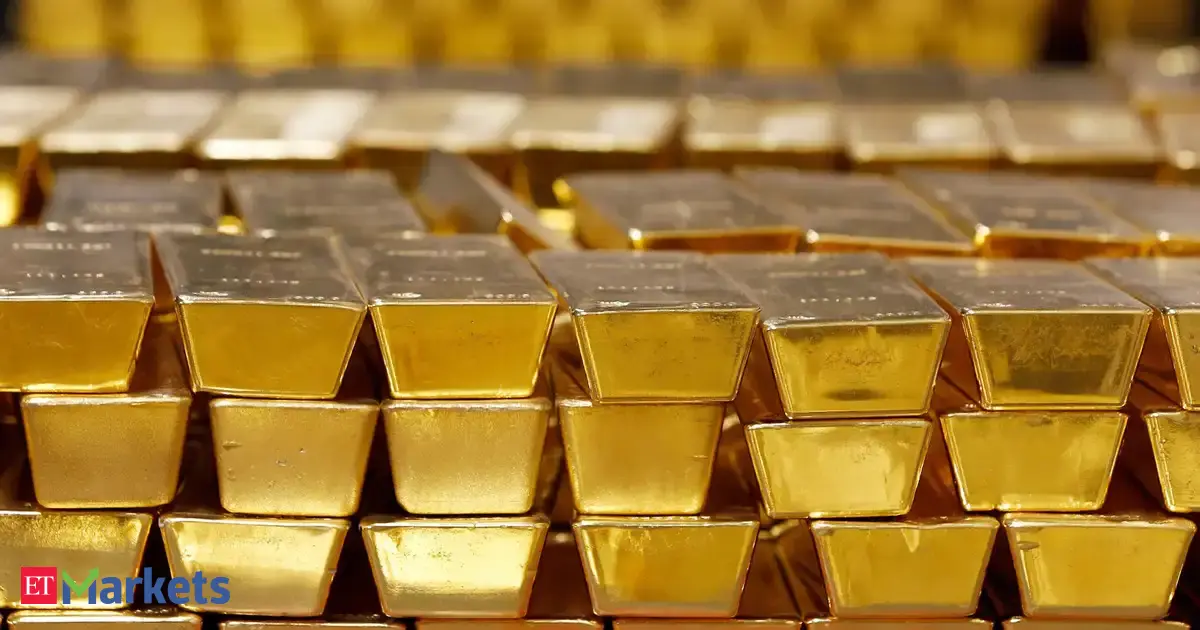

 2 sources
Morning Edition · Saturday, July 18, 2026Published at 1:29 AM EDT · New York
Gold Posts Its Largest Weekly Drop in Six Weeks Even as the Iran War Widens
The pullback drew buyers back to bullion and jewellery counters, while investors trimmed exposure to silver.
Gold fell this week even as the war intensified. Even as the United States and Iran exchanged strikes for a seventh night, bullion recorded its steepest weekly decline in about six weeks, Economic Times reported.
The lower price drew buyers back rather than deterring them. Consumers returned to jewellery stores after the price reductions, and investors used the dip to add to holdings, according to the same report. Silver drew more caution, with investors reducing exposure.
The pattern deserves careful interpretation. A war that would normally raise the price of the classic safe-haven asset instead coincided with a price fall, which points to the other force acting on gold, namely expectations for the dollar and for real interest rates. When markets price a firmer dollar and policy rates that stay higher for longer, the opportunity cost of holding a non-yielding metal rises, and that can outweigh demand driven by the conflict. The steady return of physical buyers on weakness, however, signals that structural demand for a fixed-supply asset has not disappeared.
What this means
Two forces are acting on gold at once. The war argues for a higher price through safe-haven demand, and expectations of a firmer dollar and higher real rates argue for a lower one. This week the monetary force was stronger, which tells you positioning in bullion is now driven more by the rate outlook than by the conflict. Physical buyers in Asia gain cheaper entry, momentum-driven futures holders lose, and the resilience of jewellery and coin demand on dips is what limits how far a rate-driven selloff can go.
What to watch
- Whether physical demand in India and China keeps rising on each price dip, which would confirm a durable hard-money bid underneath the paper market.
- The direction of the dollar and real yields, because a further move higher in both is the most direct threat to the gold price regardless of the war.
Observations to monitor, not financial advice.
Synthesized from: Economic Times · Dawn
Townsquare
Start a discussion in Townsquare.
More from this edition
- Iran Suspends Islamabad Truce Framework as First US Combat Deaths Since March Confirmed in Jordan
- Bank of Japan Set to Hold Rates and Lift Growth Forecast as the Yen Stays Weak
- Wall Street Banks Ride Asian AI Spending to Record Revenue as Alphabet and Intel Earnings Loom
- Ukrainian Drones Hit the Moscow Region Overnight, Wounding Two Dozen at a Warehouse
- Incoming UK Leader Andy Burnham Faces an Early Decision on British Bases for the Iran Campaign
- The UAE Wants to Cut Its Reliance on the Strait of Hormuz, but Its Main Ports Sit Inside It
- Washington Presses the European Union to Roll Back Import Rules a Year After Its Tariff Deal
Comments
0No comments yet.