← The Global Intelligence Brief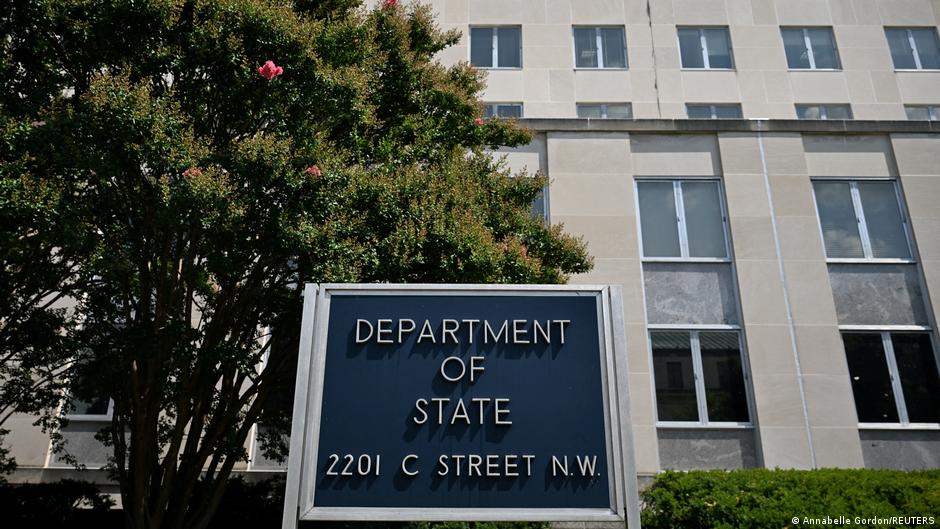


 3 sources
Morning Edition · Tuesday, August 25, 2026Published at 1:15 AM EDT · New York
The State Department Weighs Revoking Up to 200,000 Visas From Asylum Seekers
Japan raises residency fees for foreign nationals from October, as advanced economies tighten migration at a time of shrinking working-age populations.
Deutsche Welle reports that the State Department is examining plans to revoke the visas of up to 200,000 foreign nationals who applied for asylum after entering the United States on tourist or business visas. Euronews reports the same figure and says the step would be the largest single mass revocation of visas in American history if carried out. Neither outlet reports a confirmed timetable, and the plans have not been formally announced.
Japan is moving in the same direction with different instruments. The Japan Times reports that the government adopted an ordinance to raise residency fees for foreign nationals from October, under the revised immigration control and refugee recognition law enacted in May.
The two measures differ in scale and severity, and the American one is far more consequential for the people affected. What links them is timing. Both countries face a shrinking ratio of workers to retirees, and both are restricting the immigration inflow that this demographic arithmetic would otherwise require. Employers in construction, agriculture, hospitality and elder care draw disproportionately on exactly these groups of workers.
Veracity: Corroborated
85/100- If true, who benefits
The administration gains an immigration enforcement result it can announce without new legislation, and immigration lawyers and litigating states gain a case that will define how far visa revocation authority extends.
- The nuance
PBS and Axios report the plan from officials rather than from a published rule, the State Department itself calls the total dynamic and the revocations rolling, and losing a visitor visa does not cancel a pending asylum claim or by itself remove anyone from the labor market, which is the step the article's economic argument depends on.
An open-source-intelligence read of how likely this story is true with its real nuance, not a judgment of any outlet. It assesses the claim, weighing independent and adversarial reporting. How we label confidence.
What this means
Labor supply functions as an input price. Removing several hundred thousand workers from an economy that already reports difficulty filling low-wage service jobs raises wages in those sectors and reduces profit margins for the firms that employ them, while adding to the services inflation that central banks find hardest to reduce through interest rates. Japan's fee increase is smaller in effect but points in the same direction, and both countries face demographic costs that restricting immigration does not reduce.
Synthesized from: Deutsche Welle · Euronews · The Japan Times
Townsquare
Start a discussion in Townsquare.
More from this edition
- US Sanctions Chinese Refinery and Terminal Over Iranian Oil, Keeping Brent Near $92
- Silver Outpaces Gold as Metals Hold Near $4,650 and Bitcoin Lags Behind
- Traders Price an 80% Chance the Bank of Japan Raises Rates Next Month
- Canada Will Match US Tariffs Dollar for Dollar From September 8
- War-Driven Fertiliser and Diesel Costs Reach American Farms Before the Midterms
- Chip Stocks Fall Before Nvidia's Results as JPMorgan Lends Against Private AI Shares
- Drone Attack Halts Rail Station in Krasnodar as Air Defences Report 30 Downed Over Rostov
- The European Union Plans to Send Ukraine 27.3 Billion Euros Before Year End
Comments
0No comments yet.