← The Global Intelligence Brief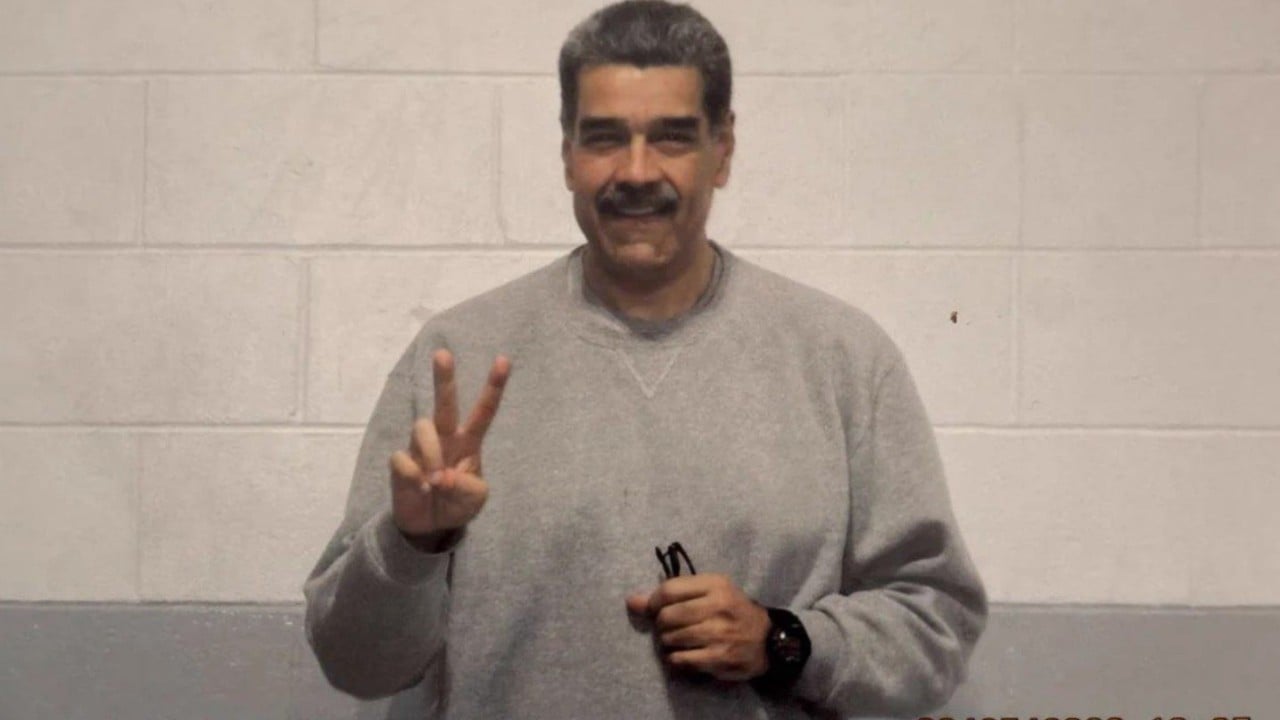


 3 sources
Morning Edition · Thursday, September 3, 2026Published at 1:19 AM EDT · New York
Maduro Asks a New York Court to Dismiss Drug Charges on Head of State Immunity
His lawyers argue that only Venezuelan courts may prosecute him, testing a principle with direct consequences for how states treat one another's leaders and assets.
Lawyers for Nicolás Maduro and his wife Cilia Flores asked a federal judge in Manhattan on Wednesday to throw out the drug trafficking indictment against them, arguing that a sitting head of state and his spouse are immune from prosecution in another country's courts. In filings described by The Hindu, the defence said the judge is required by law to reject the indictment because it cannot be brought against a foreign leader, and that only Venezuelan courts have jurisdiction.
The indictment was the legal basis for the American operation that removed Maduro from Venezuela and brought him to the United States, the South China Morning Post reported. Maduro has described himself as a prisoner of war and his removal as a kidnapping, according to Euronews. United States prosecutors maintain that the charges concern criminal conduct, not official acts, and that immunity does not attach to a leader Washington no longer recognises as legitimate.
The two positions rest on different premises. The defence treats Maduro as the lawful president of Venezuela at the time of the indictment, which would give him the immunity customary international law extends to serving heads of state. The prosecution treats him as a private individual charged with trafficking, on the basis that the United States recognised a different government. The court will have to decide which characterisation controls, and that decision will not be confined to this case.
The ruling arrives while American and Italian energy companies sign contracts in Caracas under an agreement that gives Washington governance control over fields holding about a fifth of Venezuela's reserves. Governments elsewhere are watching whether the legal removal of a head of state and the commercial reorganisation of that country's principal export industry become an available sequence rather than an exception.
Veracity: Corroborated
92/100- If true, who benefits
Maduro's defence gains a jurisdictional argument that would void the legal predicate for his capture, United States prosecutors gain a ruling that would harden the precedent for charging serving foreign leaders, and governments arguing for reserve custody outside Western jurisdictions gain evidence for that case whichever way the judge rules.
- The nuance
The filing is confirmed by Reuters through the South China Morning Post and Euronews, with Judge Alvin Hellerstein setting oral argument for November 17 and trial for June 1, 2027, but the framing as an open legal question understates precedent: American courts have previously declined to extend head-of-state immunity to leaders Washington does not recognise, and the article omits both that the United States rejected the result of Maduro's re-election and that he is held in a Brooklyn federal jail rather than in an unspecified form of custody.
An open-source-intelligence read of how likely this story is true with its real nuance, not a judgment of any outlet. It assesses the claim, weighing independent and adversarial reporting. How we label confidence.
Synthesized from: South China Morning Post · The Hindu · Euronews
Townsquare
Start a discussion in Townsquare.
More from this edition
- Chevron and Eni Sign Venezuela Expansion Deals as Washington Takes Control of a Fifth of Reserves
- Gold Falls 1.6% as Traders Price a September Federal Reserve Rate Increase
- Bitcoin Holds Above $77,500 After Its Strongest Month of 2026
- US Strikes Three Iranian Oil Tankers as Asian Importers Build Stockpiles at Home
- Putin Hosts Indonesia's Prabowo at Vladivostok as Russia and China Expand a $240 Billion Project List
- Uber Cuts 3,300 Jobs to Fund Robotaxis While Lobbying Alongside Driver Unions
- Indian Shares Open Higher as Swiggy Faces Index Removal and Persistent Systems Approves a $1.25 Billion Raise
Comments
0No comments yet.