← The Global Intelligence Brief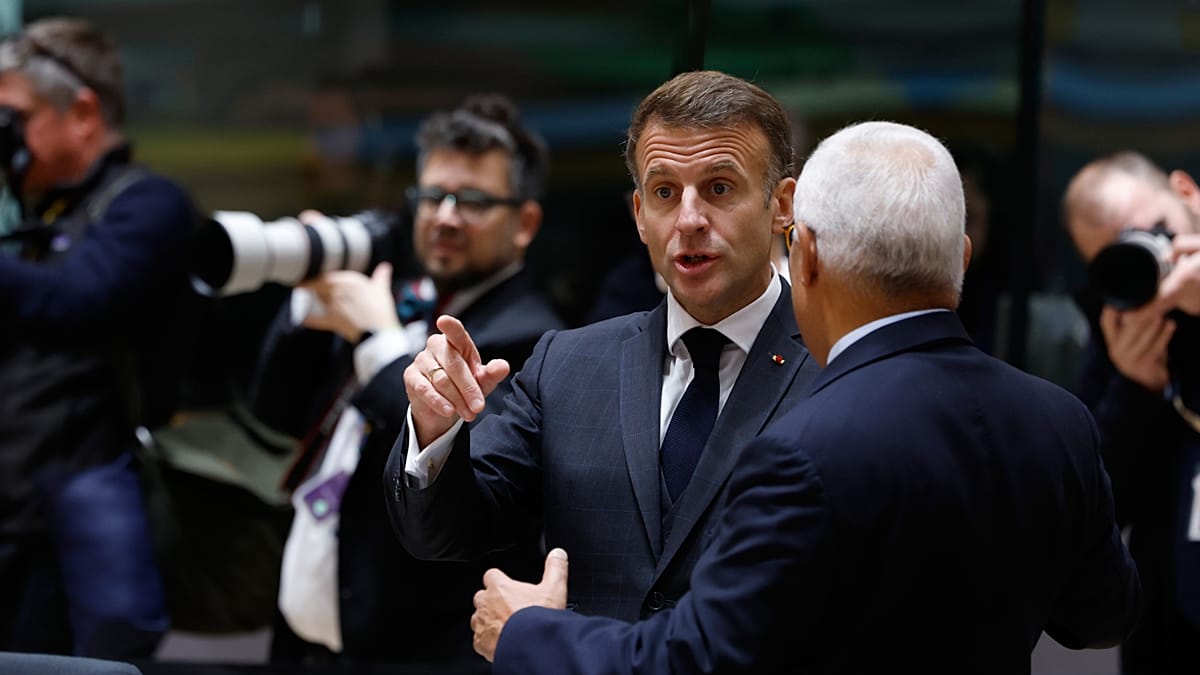
Morning Edition · Friday, November 27, 2026Published at 12:08 AM EST · New York
EU Leaders End Their Budget Summit Early Without a Deal, and Macron Threatens to Quit the Talks
Germany's chancellor said cuts will go deeper than Council President António Costa proposed, the Dutch prime minister said he has no deadline, and a support loan for Ukraine was pushed aside.
European Union (EU) leaders ended their summit early on Thursday without agreeing on the bloc's next long-term budget, Deutsche Welle reported. They now aim for a deal at the December 17-18 summit. António Costa, president of the European Council, failed to persuade leaders to give up their red lines, and the talks became disorderly and bitter, Euronews reported. The net-contributor countries that favor a smaller budget boycotted Costa's small-group format, and he continued without them.
The main positions are far apart. French President Emmanuel Macron threatened to end the budget talks if there is no deal in December. German Chancellor Friedrich Merz said cuts would go further than the €204 billion reduction Costa proposed against the European Commission's draft. Dutch Prime Minister Rob Jetten said, "There's no need to hurry. For me, there's no deadline." Costa said the bloc needs a new budget in place from January 1, 2028.
The figures themselves are disputed. Euronews cites a €204 billion cut from the Commission's proposal. Reuters, citing the Council, put Costa's total at €1.582 trillion, a reduction of €180.6 billion. Officials have not published a reconciliation of the two figures.
Ukraine's financing lost priority at the summit. The budget dispute dominated the agenda, and the planned support loan for Ukraine was set aside. France and Germany took opposite public positions, with Paris pressing for a December deadline and Berlin for deeper cuts, and that split weakens the bloc's ability to act as a single financial backer for Kyiv or for its own rearmament.
Part of a tracked trend
Europe's Budget Splits Along National Lines
Disputes over the EU's common budget keep delaying joint spending on defense and Ukraine, so financing shifts to national governments and bilateral deals and the bloc acts less often as a single fiscal power.
Townsquare
Start a discussion in Townsquare.
More from this edition
- Fed Moves Toward a December Rate Hike After Its Preferred Inflation Gauge Reaches 3.8%
- Brent Climbs Back Toward $96 as Gulf Attacks Outweigh Forecasts of an Oil Surplus
- Drone Strike in Kuwait Kills Two Italian Rheinmetall Technicians, and Iran Denies Involvement
- Lula Picks Bradesco Chairman Luiz Carlos Trabuco as Finance Minister, and Brazilian Assets Rally
- Binance Restores Withdrawals Four Weeks After a $6.3 Billion Hack as Bitcoin Holds Near $60,500
- Trump Rewrites a Joint NATO Statement to Warn Ukraine as Well as Russia Against Widening the War
- Ukrainian Drones Strike Across Russia From Leningrad Region to Novorossiysk
Comments
0No comments yet.