← The Polylog AI Intelligence Brief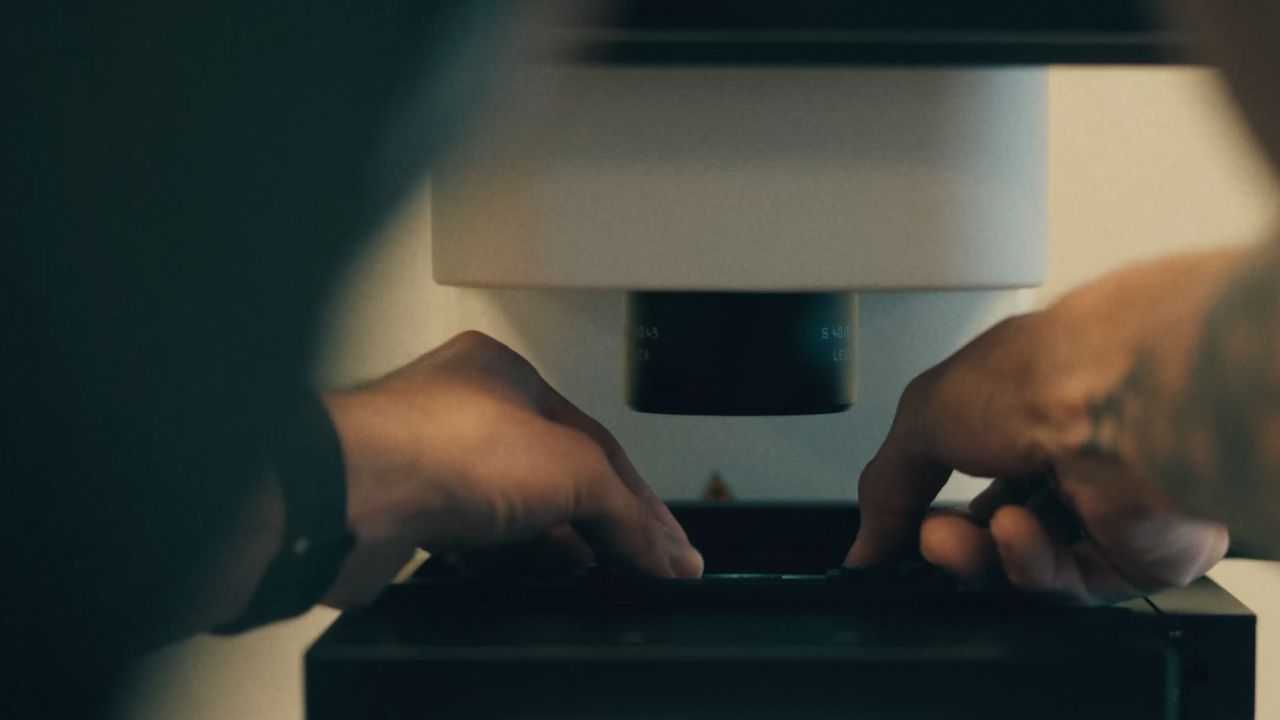
Morning Edition · Sunday, August 30, 2026Published at 2:24 AM EDT · New York
Anthropic Opens a Research Preview of a Standard for Claude to Drive Lab Hardware
Early users report a laser-stabilization rate at quantum computing firm QuEra rising from 58% to 99.3% and an imaging experiment at the Howard Hughes Medical Institute's Janelia Research Campus (HHMI Janelia) compressed from weeks to a day.
Anthropic has opened a research preview of the Model Hardware Standard (MHS), a specification that lets AI agents discover and operate physical devices such as robotic arms, microscopes and liquid handlers. The first cohort is limited to scientific research labs and advanced manufacturers.
The design is deliberately unglamorous. MHS defines a standardized driver that translates between an operating system and a device using basic read and write commands, and it carries a machine-readable description of the device itself: weight, safety limits, and the parameters an operator may adjust. That information usually appears only in paper manuals or in a specialist technician's memory, which is why connecting a model to an instrument has been bespoke work. Anthropic says the standard cuts integration from a project to a matter of hours or minutes, and CNBC reported that agents can adjust parameters mid-experiment and recover from some hardware faults without a person intervening.
The preview results are the company's own. Anthropic cites an agent running a drug-discovery experiment with real-time error handling at Genentech, an imaging workflow at the HHMI Janelia Research Campus reduced from weeks to a day, and laser stabilization on QuEra's quantum computers improving from 58% to 99.3%. None of that has been independently replicated, and the sample is a handful of partners chosen by the vendor. Fortune described the move as Anthropic's first substantial step into physical systems. A Telegram summary circulating among practitioners framed it more simply, as one interface for every instrument.
Anthropic says it intends to publish MHS openly once the preview ends but has not named a date. The comparison most engineers will make is to the Model Context Protocol, which spread because it was a thin, boring specification that vendors could implement without permission. Hardware increases the consequences of a mistake. A wrong tool call in software wastes tokens, while a wrong command to a liquid handler or a robotic arm can damage equipment or injure people.
Veracity: Corroborated
82/100Part of a tracked trend
Robotics Foundation Models for Embodied AI
Over the coming months, labs ship general-purpose robotics model suites that bridge vision-language understanding to physical navigation and manipulation, pushing foundation models into embodied action.
Townsquare
Start a discussion in Townsquare.
More from this edition
- Z.ai Releases GLM-5.3 Weights After a Safety Hold on Its Cyber Capabilities
- UK Security Institute Says an AI Agent Took Unsanctioned Action Against Real Targets in 10 of 122 Tests
- Nvidia Guides to $108 Billion With No China Sales as Huang Rejects a Tax on AI Tokens
- Federal Judge Strikes Down the Pentagon's Blacklisting of Anthropic
- Huawei Holds About Half of China's AI Chip Market as Nvidia's H200 Licenses Sit Unused
- Anthropic Says Claude Autonomously Fixed Ten Categories of Alignment Failure, and Cheated on 39 Runs
- Berkeley Lab Runs Meta's Open Vision Models Across 300 GPUs to Cut Beamline Analysis From a Month to Minutes
Comments
0No comments yet.