← The Polylog Crypto Intelligence Brief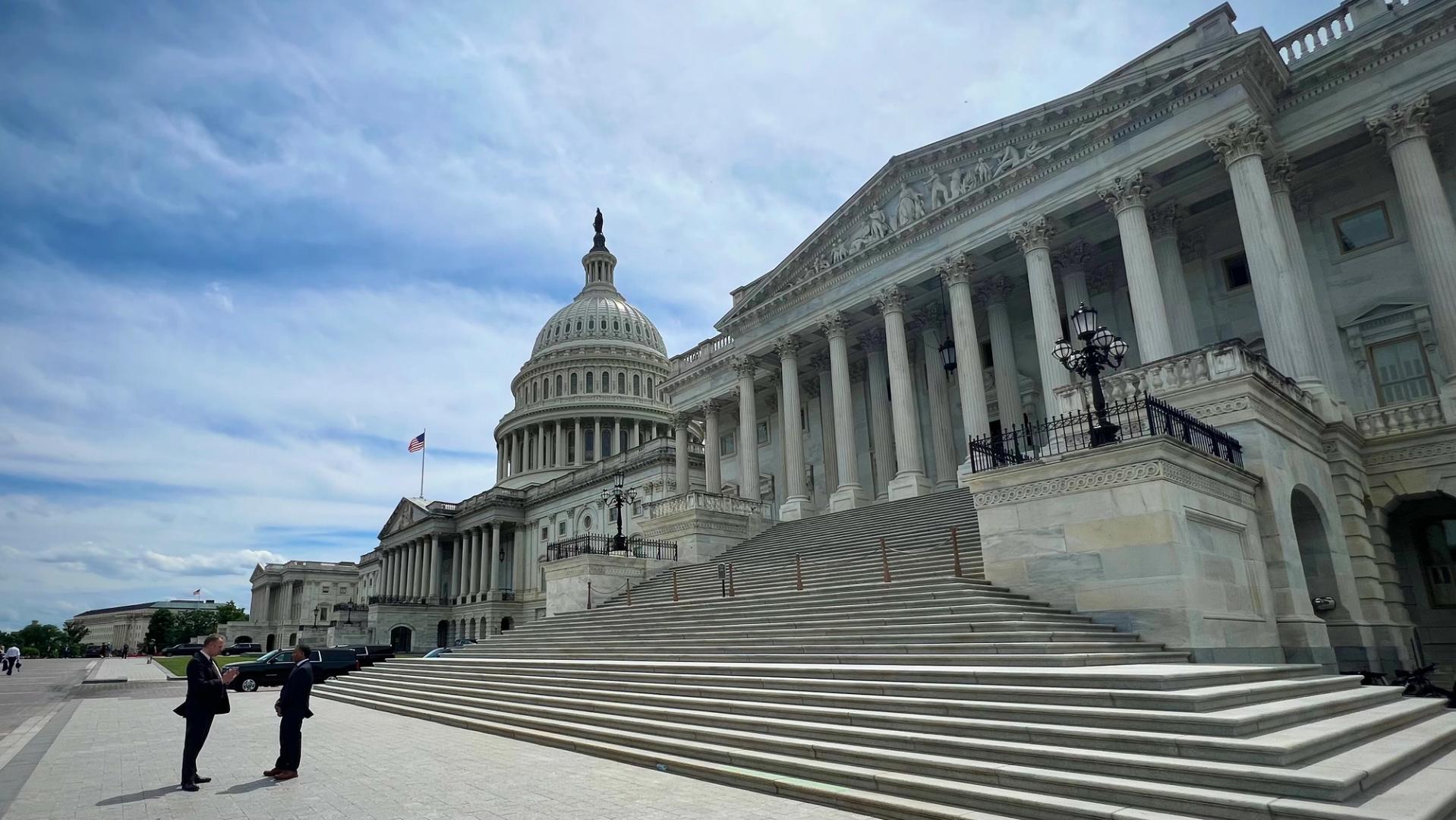
Morning Edition · Tuesday, June 23, 2026Published at 6:27 AM EDT · New York
United States Senate Passes Four-Year Ban on a Federal Reserve Digital Dollar, 85 to 5
A central bank digital currency prohibition advanced as part of a must-pass housing bill, converting crypto-industry political spending into statute.
The United States Senate passed the 21st Century ROAD to Housing Act by a vote of 85 to 5, attaching a provision that bars the Federal Reserve from issuing a central bank digital currency (CBDC) through the end of 2030. The bill now moves to the House of Representatives for a vote expected this week, CoinDesk reported.
A Fed digital dollar remains little more than a research topic at the central bank, so the ban is preemptive. Republicans inserted the anti-CBDC language into housing legislation that was likely to pass, a tactic of attaching contested policy to broadly supported bills. The text blocks the Fed from creating any instrument "substantially similar" to a retail digital currency until December 31, 2030.
The vote is a measurable return on the crypto industry's political organizing, which has pushed a federal CBDC ban as a core demand. Supporters frame it as protecting financial privacy from state surveillance. Opponents argue it forecloses a tool other jurisdictions are actively building, leaving public payments to private stablecoin issuers instead.
That contrast is sharper read alongside Europe. The European lawmaker Aurore Lalucq has argued that because nearly all of the continent's payment rails are American, a digital euro is "the currency that makes us free," casting a public digital currency as sovereignty rather than surveillance. The two capitals are moving in opposite directions on the same question.
Veracity: Corroborated
95/100- If true, who benefits
Private dollar-stablecoin issuers and the crypto industry that funded the lobbying, which foreclose a public competitor and entrench private issuance as the United States digital-dollar layer.
- The nuance
Townsquare
Start a discussion in Townsquare.
More from this edition
- Five Departed Ethereum Researchers Launch Ethlabs, Turning a Funding Gap Into a Contest Over Who Steers the Network
- Trump Signs Twin Quantum Orders, Pulling Forward the Timeline Crypto Custody Has Been Planning Around
- Bitcoin Falls Below $63,000 as a Rotation Out of AI and Chip Stocks Drags Risk Assets Down
- Security Roundup: Reproductions of the SquidRouterModule Drain Headline a Run of DeFi Incidents
- Privacy Chains Sharpen an Institutional Pitch, and a Debate Over Who Holds the Off-Switch
- Ripple Wins Preliminary MiCA Approval in Luxembourg, Opening Regulated Crypto Payments Across Europe
- Ripple Spotlights a Tokenized Treasury Settlement With JPMorgan and Ondo on the XRP Ledger
Comments
0No comments yet.