← The Polylog Crypto Intelligence Brief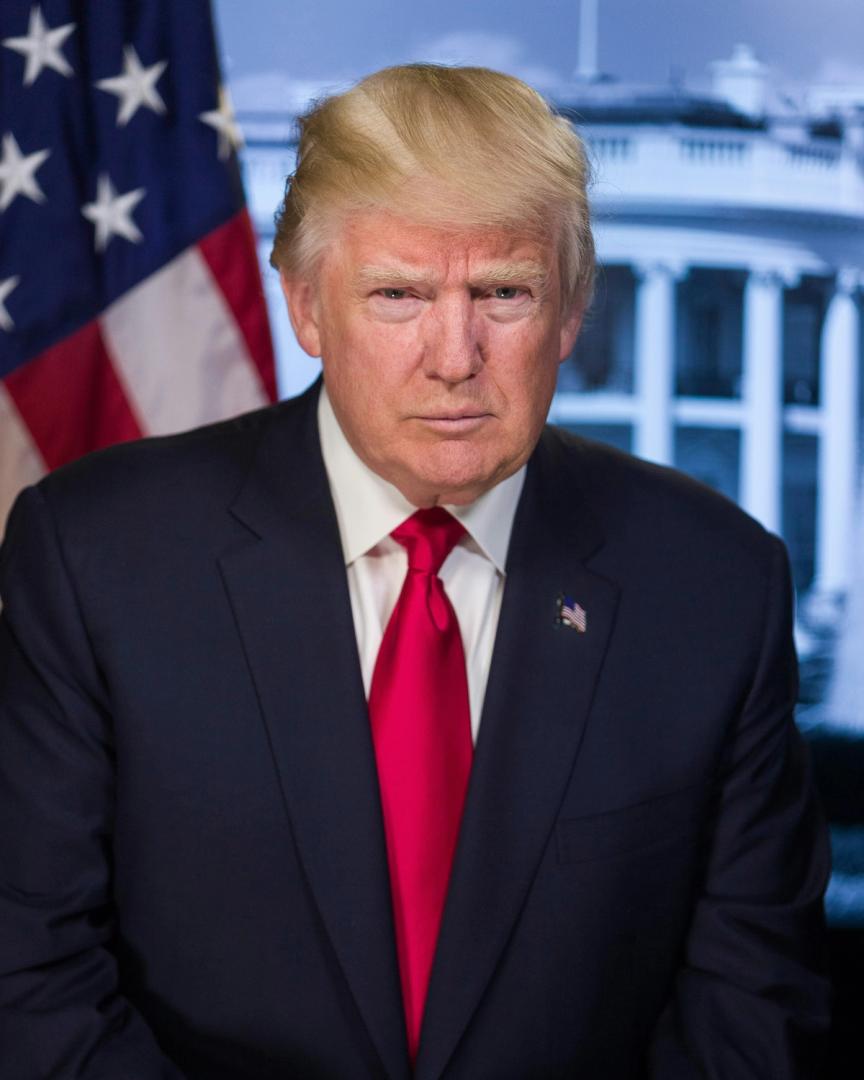
Morning Edition · Tuesday, June 23, 2026Published at 6:27 AM EDT · New York
Trump Signs Twin Quantum Orders, Pulling Forward the Timeline Crypto Custody Has Been Planning Around
One order targets a working quantum computer by 2028, the other accelerates federal migration to post-quantum encryption, moving the threat from theory to scheduled deadlines.
President Donald Trump signed two executive orders on Monday that aim to secure United States leadership in quantum computing while strengthening federal systems against the machine that could break today's encryption, CoinDesk reported. The first order sets a target of a "scientifically relevant" quantum computer at a national laboratory or Department of Energy facility by 2028.
The second order accelerates the federal transition to quantum-resistant cryptography, setting deadlines for high-value systems to adopt standards approved by the National Institute of Standards and Technology (NIST), with key establishment due by the end of 2030 and digital signatures by the end of 2031, ahead of the prior 2035 timeline. French-language crypto channels described the package plainly as a threat that could one day endanger Bitcoin.
For digital assets the relevance is specific. Bitcoin and Ethereum secure funds with elliptic-curve signatures that a sufficiently large quantum computer could in principle reverse, exposing coins held in address types that reveal a public key. Bitcoin Magazine noted that the orders shorten both the offensive and defensive timelines at once.
The realistic assessment is that none of this breaks any blockchain today, and a "scientifically relevant" machine is not a cryptographically relevant one. What changed is the timing. A government deadline turns post-quantum migration from a research topic into a planning requirement for custodians, wallet makers and protocol developers.
Veracity: Corroborated
95/100- If true, who benefits
Department of Energy national labs and quantum and post-quantum-cryptography vendors, plus custodians selling migration services, all of whom gain from a federally mandated deadline.
Part of a tracked trend
Quantum Risk Moves From Theory to Crypto Roadmaps
Over the next 3-6 months, quantum-resistance becomes a concrete design and custody concern across major chains and institutional custodians, driving opt-in post-quantum schemes and 'long-dormant coin' risk discussion.
Townsquare
Start a discussion in Townsquare.
More from this edition
- Five Departed Ethereum Researchers Launch Ethlabs, Turning a Funding Gap Into a Contest Over Who Steers the Network
- United States Senate Passes Four-Year Ban on a Federal Reserve Digital Dollar, 85 to 5
- Bitcoin Falls Below $63,000 as a Rotation Out of AI and Chip Stocks Drags Risk Assets Down
- Security Roundup: Reproductions of the SquidRouterModule Drain Headline a Run of DeFi Incidents
- Privacy Chains Sharpen an Institutional Pitch, and a Debate Over Who Holds the Off-Switch
- Ripple Wins Preliminary MiCA Approval in Luxembourg, Opening Regulated Crypto Payments Across Europe
- Ripple Spotlights a Tokenized Treasury Settlement With JPMorgan and Ondo on the XRP Ledger
Comments
0No comments yet.