← The Polylog Crypto Intelligence Brief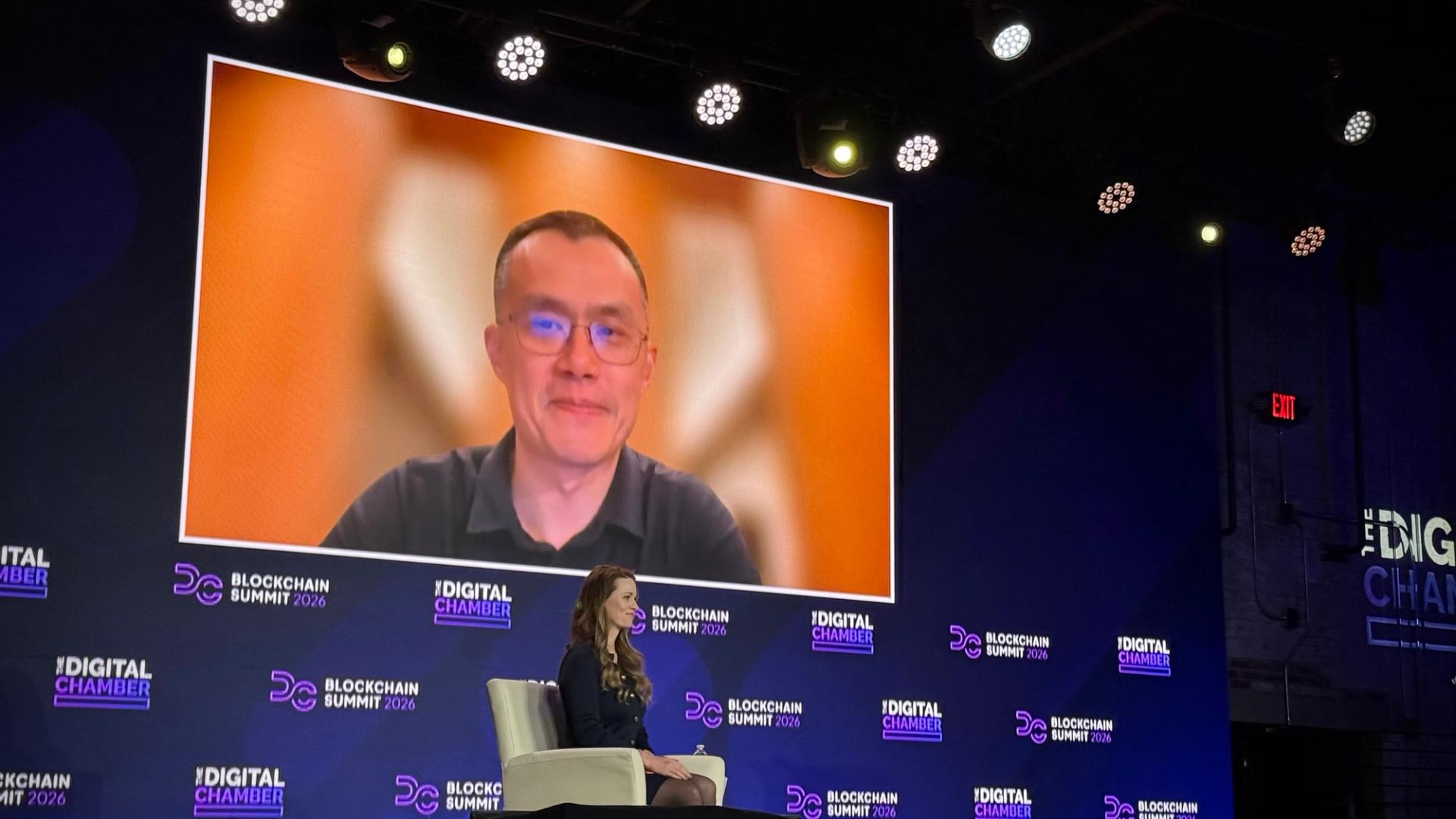
Morning Edition · Sunday, July 5, 2026Published at 6:32 AM EDT · New York
Plan to Freeze Satoshi's Bitcoin Before Quantum Computers Arrive Splits Developers
Binance co-founder Changpeng Zhao says dormant coins vulnerable to quantum attack should be frozen after a migration window, a proposal critics call a breach of bitcoin's permissionless design.
Changpeng Zhao, the co-founder and former chief executive of Binance, has proposed that bitcoin held in wallets vulnerable to quantum attack, including the roughly 1.1 million bitcoin attributed to the pseudonymous creator Satoshi Nakamoto, be frozen if quantum computing begins to threaten the network's cryptography. Under the idea reported by CoinDesk, the community would first release a quantum-resistant upgrade, give holders six to twelve months to move their coins, and only then make unmoved, exposed wallets inaccessible.
The technical concern is concrete. A Google Quantum AI paper cited in the debate warns that a sufficiently powerful quantum computer could derive a private key from an exposed public key, with that capability discussed as plausible toward the end of the decade. Coins in early pay-to-public-key addresses, including Satoshi's, expose their public keys directly, and analysts quoted by Crypto Briefing note the total quantum-exposed supply is far larger than Satoshi's holdings alone.
The disagreement is over governance, not physics. Zhao argues that letting an attacker seize those coins would be catastrophic for bitcoin's price and its credibility as a store of value. Investor Michael Terpin and others counter that freezing any wallet, even a dormant one, violates bitcoin's core guarantee that no authority can seize funds, and they doubt a decentralized community could ever agree to it. Developer Jameson Lopp and Matt Hougan of the asset manager Bitwise frame the real task as migrating bitcoin to post-quantum signatures, with options ranging from phased cryptographic upgrades to placing the founder's coins in a legal trust.
Veracity: Corroborated
91/100- If true, who benefits
Quantum-resistant chains, custodians selling migration services, and figures arguing that a supermajority can revise bitcoin's rules under duress.
Part of a tracked trend
Quantum Risk Moves From Theory to Crypto Roadmaps
Over the next 3-6 months, quantum-resistance becomes a concrete design and custody concern across major chains and institutional custodians, driving opt-in post-quantum schemes and 'long-dormant coin' risk discussion.
Townsquare
Start a discussion in Townsquare.
More from this edition
- Researchers Disclose Patched Aptos Flaw That They Estimate Put $70 Billion at Systemic Risk
- A 140-Firm Alliance Backs Open USD, Targeting the Economics That Built Circle and Tether
- Privacy Layers Push to Make Confidential Transactions the Default, Not the Exception
- Key Mismanagement Drives Latest Round of Eight-Figure DeFi Thefts
- Bitcoin ETFs Post Their Worst Month as Large Wallets Buy the Outflows
- Binance's Reported $2 Billion Mesh Bet Is a Fight Over Who Routes Stablecoin Payments
- Revolut Drops Tether's USDT as Europe's Rulebook Reshapes the Stablecoin Market
Comments
0No comments yet.