← The Polylog Crypto Intelligence Brief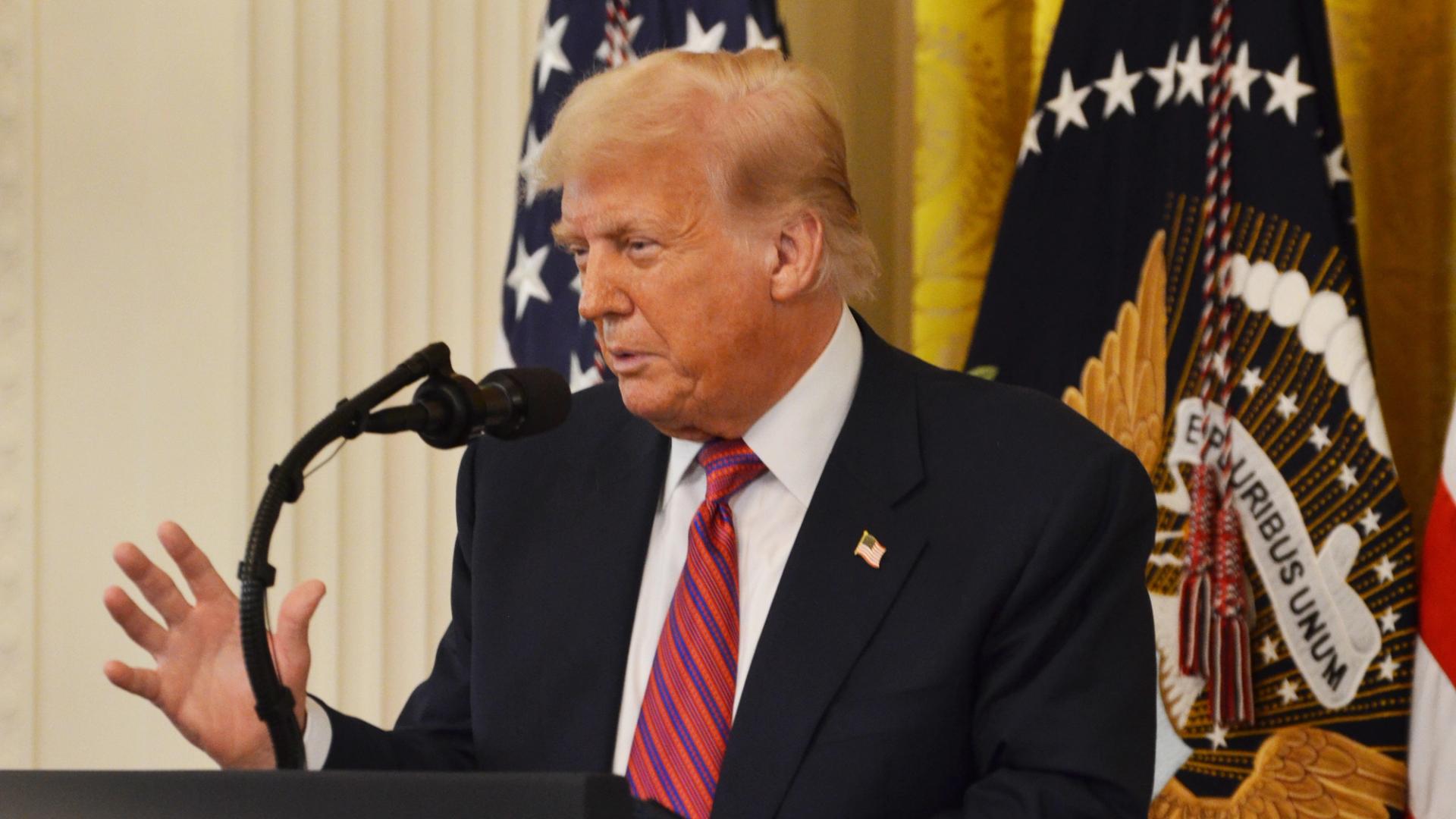
Morning Edition · Wednesday, July 22, 2026Published at 1:32 AM EDT · New York
Trump Accepts Conflict-of-Interest Limits to Unstick the Crypto CLARITY Act
The White House sent ethics language to Republican senators, and the decision now rests with Democrats who say they were excluded from the drafting.
President Donald Trump agreed to conflict-of-interest restrictions attached to the Digital Asset Market Clarity Act, the market-structure bill that has been stalled for months over a single ethics section, and the White House urged Republican senators and Democrats to accept the deal. The proposed language would bar the president, the vice president, members of Congress, and other senior federal officials from profiting from crypto businesses while in office.
The concession matters because the dispute was over Trump's own activities. Senators Ruben Gallego and Angela Alsobrooks had demanded a strong conflict-of-interest provision, pointing to Trump's $1.4 billion in 2025 crypto-related income. Democrats said Monday they had been largely excluded from the recent drafting and have not seen the text, so the White House is asking them to endorse terms they cannot yet read. The Senate begins its August recess within days, leaving Majority Leader John Thune few floor days to act.
The context is the flow of industry money into US politics. Twins Cameron and Tyler Winklevoss, who run the Gemini exchange, gave $10 million to a pro-Trump committee weeks after a federal regulator joined a relief request tied to Gemini. Prediction-market traders now price the odds that CLARITY is signed in 2026 at roughly 53 percent.
Veracity: Corroborated
85/100- If true, who benefits
US-domiciled exchanges and issuers, and the industry donors funding both parties, gain durable statutory rules and a settled lead regulator.
- The nuance
Townsquare
Start a discussion in Townsquare.
More from this edition
- Aztec Turns On Alpha V5, Putting a Live Private Smart-Contract Network on Ethereum
- Galaxy Commits Up to $5 Million to Harden Bitcoin Against Quantum Computers
- Unauthorized-Mint Exploit Drains 42DAO of $915,000 and Collapses Balance Coin
- US Treasury Freezes Roughly $130 Million in Iran-Linked Crypto Wallets
- BIS Warns Dollar Stablecoins Are Slipping Past Emerging-Market Capital Controls
- Movement Labs Files for Chapter 11 After More Than a Year of MOVE Token Turmoil
- S&P Dow Jones Indices and Pantera Launch an 18-Token Institutional Crypto Index
Comments
0No comments yet.