← The Polylog Crypto Intelligence Brief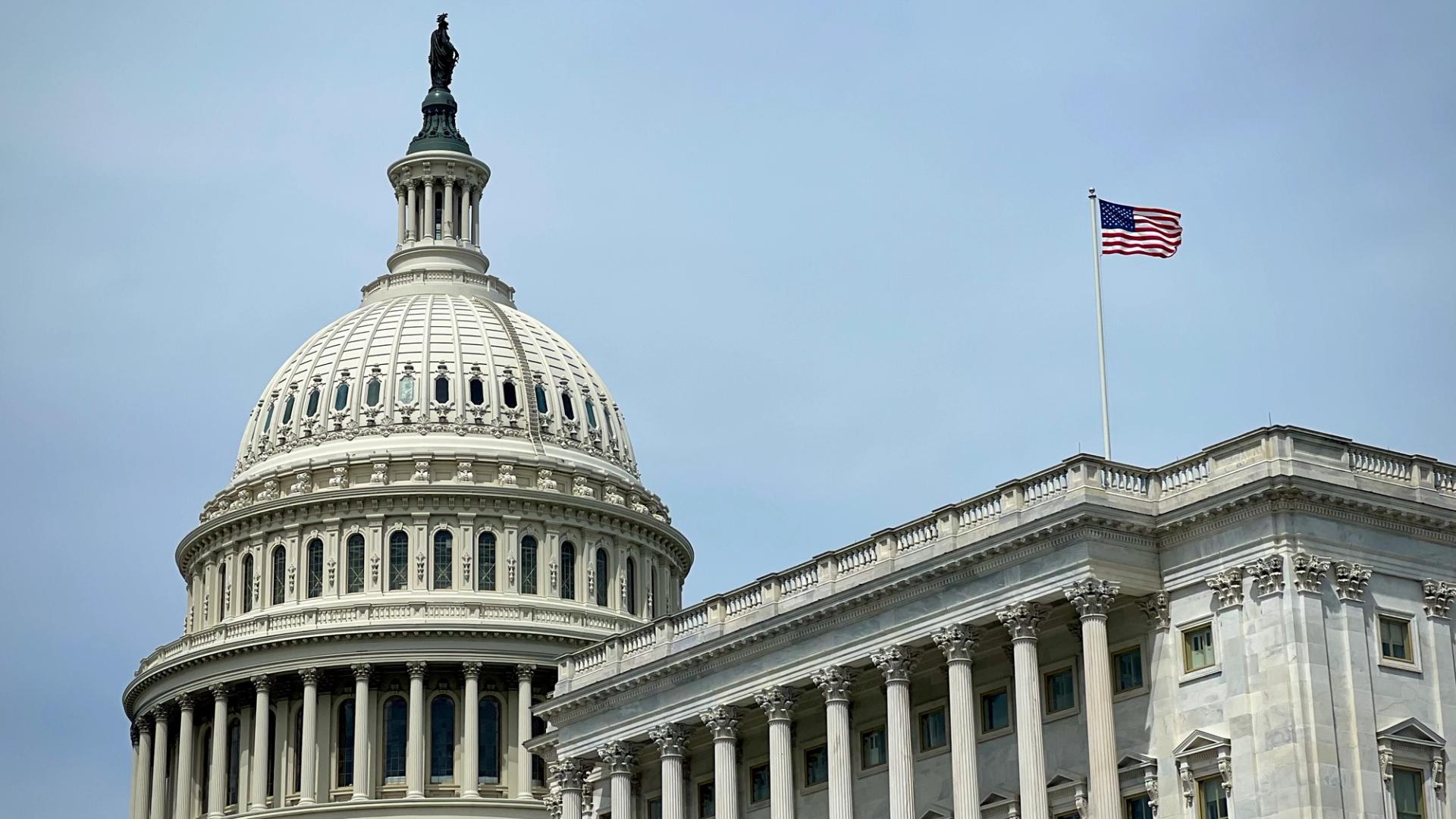
Morning Edition · Thursday, August 6, 2026Published at 1:48 AM EDT · New York
Senate Has Two Working Days to Move the Crypto Market-Structure Bill Before Recess
The White House is now reviewing the bipartisan ethics text, and Senate Majority Leader John Thune has said he does not expect passage before the break.
The Digital Asset Market Clarity Act, the bill that would divide oversight of digital assets between the Securities and Exchange Commission (SEC) and the Commodity Futures Trading Commission (CFTC), has very little time left on the Senate calendar. CoinDesk lays out the remaining paths. The Senate has yet to signal whether it will bring the measure to the floor before its summer recess.
The obstacle is ethics. Senator Thom Tillis said the White House is now engaging on the bipartisan ethics text he and Senator Ruben Gallego sent last week, according to Punchbowl reporting relayed by Cointelegraph, a step Bitcoin Magazine also reported. That text governs how conflicts of interest by public officials holding digital assets would be handled, and it has been the main barrier to Democratic votes.
Senator Cynthia Lummis is pressing for a vote and said that if the bill dies, Democrats killed it. SEC Commissioner Hester Peirce has said she remains optimistic about eventual passage. Against that, Majority Leader John Thune told Punchbowl he does not expect the Senate to pass market-structure legislation before the recess, and Cointelegraph reported Lummis still pushing for a vote. The chamber's last scheduled working day before it leaves until September is 7 August.
Prediction markets have repriced the outcome. CCN reports Polymarket odds on 2026 passage at 13 percent, down from above 80 percent in February.
Veracity: Corroborated
82/100- If true, who benefits
Offshore venues and European firms licensed under the Markets in Crypto-Assets Regulation gain a licensing advantage while the United States perimeter stays discretionary, and incumbent regulators retain the authority a statute would have removed from them.
Part of a tracked trend
Crypto Market-Structure Bill Stalls in the Senate
Ethics disputes over the president's personal crypto ventures keep displacing the substance of United States market-structure legislation, leaving digital-asset rules dependent on agency discretion rather than statute.
Townsquare
Start a discussion in Townsquare.
More from this edition
- Coldcard Attacker Begins Mixing Stolen Bitcoin as Volunteer Auditors File 85 Critical Bugs Across Bitcoin Code
- Putin Signs Russia's First Comprehensive Crypto Law, Licensing Exchanges and Custodians While Keeping the Payment Ban
- Aztec Proves Private Transactions on a Laptop in Seconds as OpenZeppelin Builds Recovery for Confidential Accounts
- Circle Renews Its Coinbase Distribution Deal for Three More Years and Rules Out Dividends
- Researchers Publish Working Exploits for Two Token Drains as July's Bridge and Oracle Losses Are Documented
- Robinhood Chain Holds Near $1 Billion Secured While Its Tokenized Assets Total $27.6 Million
- 100 Million PROVE Tokens Unlock Into a Market With Thin Exchange Liquidity
Comments
0No comments yet.