← The Polylog Crypto Intelligence Brief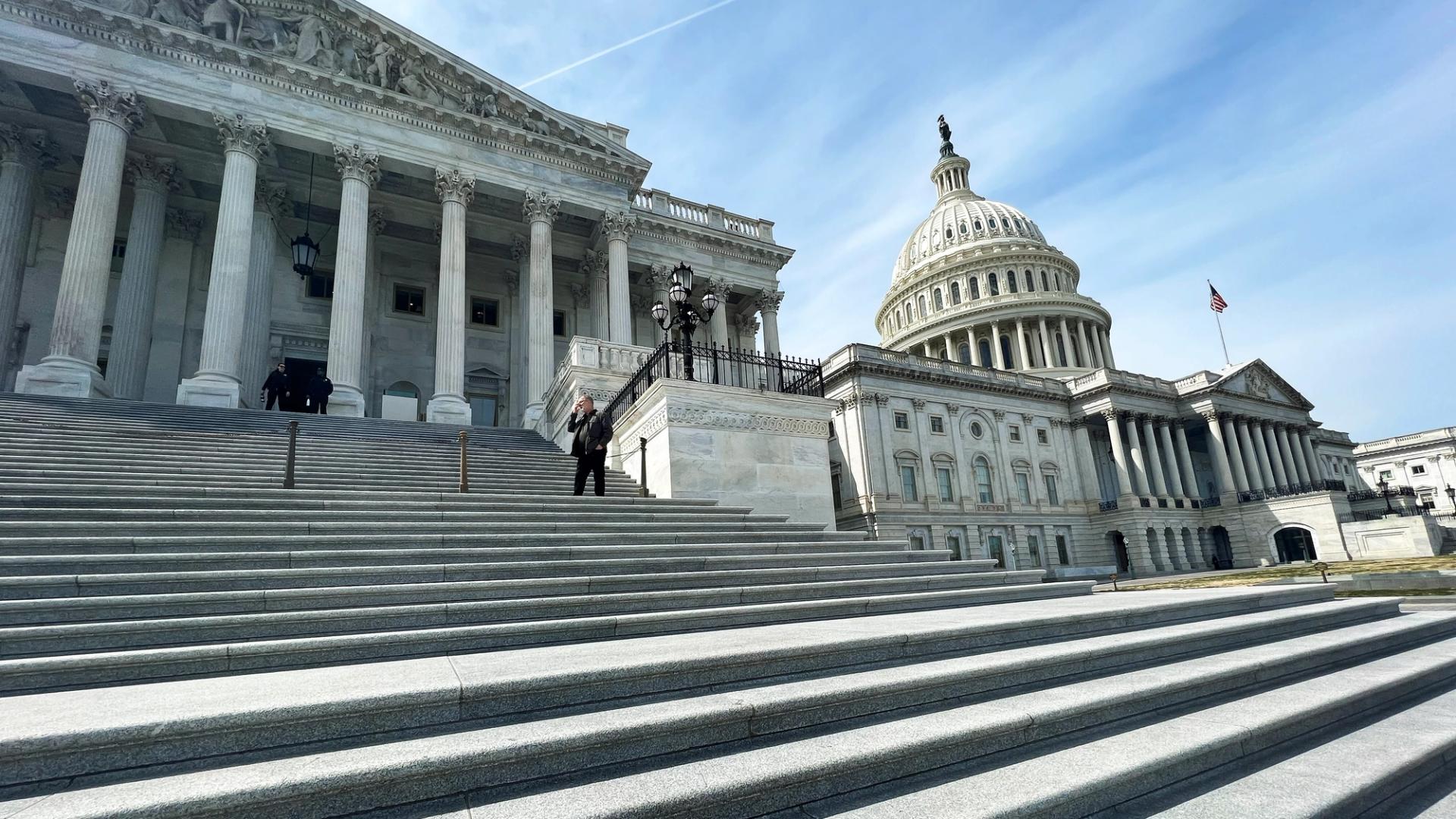
Morning Edition · Saturday, August 8, 2026Published at 1:55 AM EDT · New York
Senate Leaves for Recess Without Passing the CLARITY Act, Pushing Crypto Market-Structure Rules to September
Bitwise expects the delay to pressure prices briefly before it removes a lasting source of uncertainty, while an OKX executive argues Democrats have no incentive to deliver Republicans a legislative victory before the midterm elections.
The United States Senate began its summer recess without taking up the CLARITY Act, the bill that would divide oversight of digital assets between the Securities and Exchange Commission (SEC) and the Commodity Futures Trading Commission (CFTC). Watcher Guru reported the failure late Friday, and Bitwise chief investment officer Matt Hougan told crypto.news that consideration now moves to September, a delay he expects to pressure prices briefly before removing a lasting source of uncertainty.
Senators Cynthia Lummis and Angela Alsobrooks, who lead the bipartisan effort, say negotiations continue through the break. Senator Elizabeth Warren framed the opposition case narrowly, saying the country needs crypto legislation but not legislation "written by the crypto industry to protect and advance the crypto industry." The two positions are not symmetrical arguments about the same text. One concerns timing and floor mechanics, the other concerns who drafted the rules.
Haider Rafique of OKX stated the political calculation directly, telling CoinDesk he doubts the bill passes at all and that Democrats have little incentive to deliver a legislative victory to Republicans before the midterm elections. He also argued that expectations of passage are already reflected in bitcoin's price, which undermines the assumption that a September vote would produce a large upward move.
President Donald Trump pressed for the bill this week, telling an audience that hundreds of millions of people now pay with bitcoin and adding, "If we do not take crypto, China will," according to a French-language account of his remarks. He did not cite a source for the payment figure, and no public settlement data supports a user base of that size. Until Congress acts, the operating rules for United States digital-asset markets stay where they have been for years, in the discretion of two agencies whose leadership changes with each administration.
Veracity: Corroborated
82/100Part of a tracked trend
Crypto Market-Structure Bill Stalls in the Senate
Ethics disputes over the president's personal crypto ventures keep displacing the substance of United States market-structure legislation, leaving digital-asset rules dependent on agency discretion rather than statute.
Townsquare
Start a discussion in Townsquare.
More from this edition
- Bitcoin Nodes Begin Rejecting Non-Signaling Blocks This Weekend Under BIP-110
- Galaxy Confirms 1,719 Bitcoin Stolen Through Coldcard Seed Flaw, With Total Losses Estimated Above $130 Million
- Ethereum Proposal to Burn Validator Rewards to Zero Draws Opposition From a Large Treasury Holder
- XRP Ledger Amendments Would Encrypt Institutional Balances While Preserving Auditor Access
- Bybit Sues North Korea Over the $1.5 Billion Hack and Wins an Order Freezing Traced Assets
- United States Sanctions Two Crypto Exchanges Over Alleged Iranian Revolutionary Guard Fund Flows
- Trump Media Cancels Its Crypto.com Token Treasury Deal and Turns to a Fusion Energy Merger
Comments
1Aug 9, 5:12 AM · edited
September also carries the fiscal year 2027 appropriations deadline on September 30, which historically crowds Senate floor time and compresses the practical window for standalone legislation.