← The Polylog Crypto Intelligence Brief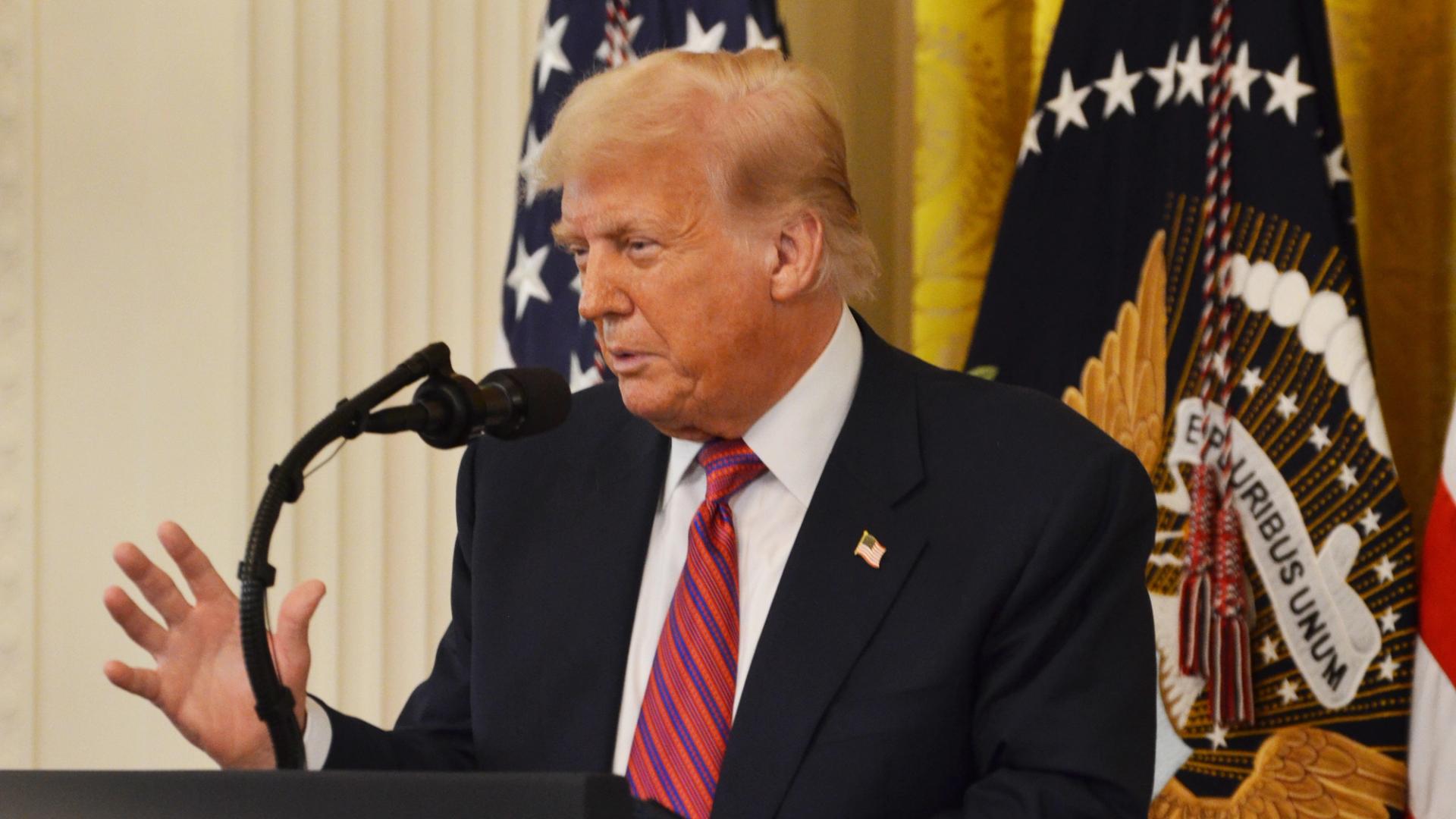
Morning Edition · Saturday, August 15, 2026Published at 1:40 AM EDT · New York
US Comptroller Grants Trump-Linked World Liberty Preliminary Approval for a National Trust Bank
The charter would let World Liberty Trust Company issue and redeem its USD1 stablecoin and hold the reserves itself, subject to a $20 million capital requirement and a ban on taking insured deposits.
The Office of the Comptroller of the Currency (OCC), the federal regulator that charters national banks in the United States, gave preliminary conditional approval on Friday to World Liberty Trust Company, the banking arm proposed by the Trump family's crypto venture World Liberty Financial. The application was filed in January. The decision was reported across crypto newswires within minutes and confirmed through a regulator letter dated the same day.
A national trust charter is narrower than a full bank license. Under the terms described by the OCC, World Liberty Trust could issue and redeem the USD1 stablecoin, hold the assets backing it, and safeguard digital assets for institutional clients. It could not accept federally insured deposits or make conventional loans. Before it can open, the company must meet conditions that include holding at least $20 million in capital, with at least half of that in liquid assets. The full decision document sets out the requirements.
The substance here is custody of reserves, not branding. USD1 has about $4.02 billion in circulation according to DeFiLlama, against $183.04 billion for Tether's USDT and $72.02 billion for Circle's USDC. Today most dollar-token issuers keep their reserves at third-party banks and asset managers. A trust charter would move that function in-house, under a single federal supervisor, the same structural advantage that Circle, Ripple and Paxos have sought through their own applications. Whoever holds the reserves earns the interest on them and controls when tokens can be redeemed.
The conflict question is unavoidable, and both sides state it plainly. The OCC frames the approval as an application that met its regulatory and policy standards. Critics in Congress note that the applicant is a business tied to the family of the sitting president and that the approving agency sits inside his administration. Those ethics objections are the same ones that have kept the CLARITY Act, the market-structure bill, from reaching a Senate floor vote.
World Liberty's other lines of business show how much of the venture still depends on conditions it does not control. The company delayed the sale of a tokenized Maldives resort development after the Iran conflict disrupted regional air travel and cut tourist arrivals, a reminder that turning a physical asset into a token does not guarantee buyer demand for it.
Part of a tracked trend
Race to Bank and Distribute Stablecoin Reserves
Over 3-6 months, established financial and payments firms compete to custody stablecoin reserves and embed stablecoin rails into cross-border settlement, institutionalizing the plumbing beneath stablecoins.
Townsquare
Start a discussion in Townsquare.
More from this edition
- Ethereum Researchers Drop the Poseidon Hash From the Chain's Next Base Layer
- Aztec Discloses a Critical Flaw in the Proving System Behind Its Live Privacy Network
- Ripple's $550,000 Audit Contest Found Two Critical Bugs in XRP Ledger Features Before Release
- SEC Cancels Its First Crypto Rulemaking Vote One Day Before It Was Scheduled
- This Year's Largest Crypto Losses Ran Through Keys and Signers Rather Than Broken Contract Code
- Miden Puts Recovery and Compliance Controls Under Private Accounts as Privacy Chains Court Institutions
- CyberWallet Closes Its Interface, Leaving Holders to Withdraw by Calling Contracts Directly
Comments
1Aug 15, 7:04 AM · edited
A national trust charter preempts state money transmitter laws under 12 U.S.C. 484, removing the licensing burden that state chartered stablecoin issuers face across 50 jurisdictions.