← The Polylog Crypto Intelligence Brief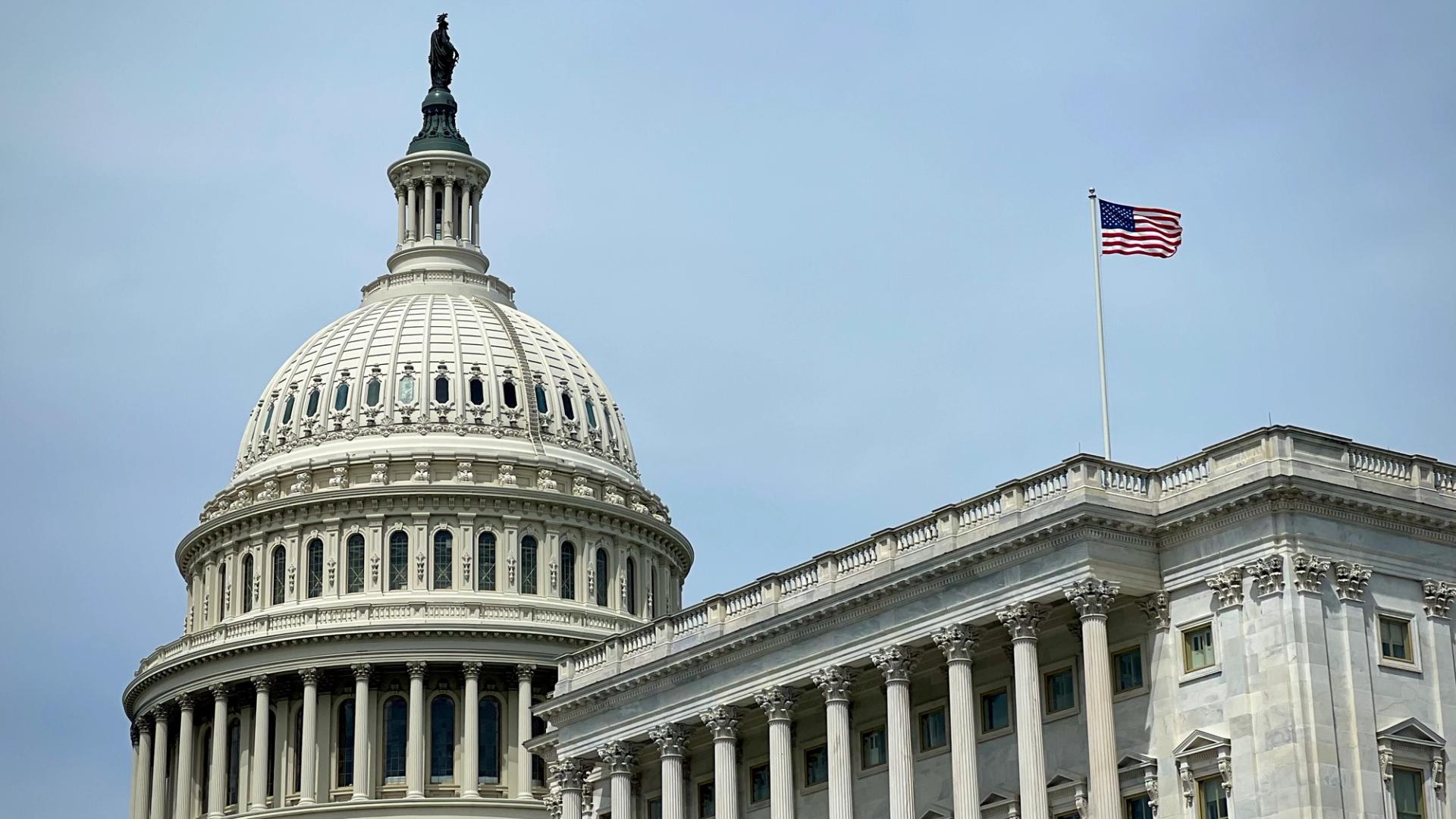
Morning Edition · Wednesday, September 16, 2026Published at 1:44 AM EDT · New York
Senate Blocks CLARITY Act 50-49, Leaving US Crypto Rules to Agency Discretion
The market-structure bill collapsed over ethics language covering federal officials' crypto holdings, not over the regulatory framework the industry wanted, and three Republicans voted against opening debate.
The United States Senate declined to open debate on the CLARITY Act on Tuesday. The cloture motion drew 50 votes in favor and 49 against, ten short of the 60 the chamber needed to proceed. CoinDesk recorded the tally as 49-50 after the usual procedural vote switch that preserves the right to call the bill again. Bitcoin Magazine reported that the outcome likely ends the bill's chances for 2026.
The bill would have divided oversight of digital assets between the Securities and Exchange Commission (SEC) and the Commodity Futures Trading Commission (CFTC), set registration requirements for trading venues and issuers, and tightened anti-money-laundering obligations. That framework was not what killed it. According to CNBC, the negotiation broke down over ethics language governing crypto holdings by federal officials. Three Republicans, Susan Collins of Maine, Josh Hawley of Missouri and Jerry Moran of Kansas, voted against advancing it. CoinDesk's account of the final days describes several separate disputes converging in the hours before the vote.
The reactions followed a predictable pattern. Senator Cynthia Lummis of Wyoming, one of the bill's principal advocates, accused Democrats of choosing politics over consumers and over American leadership in digital assets. Senator Elizabeth Warren of Massachusetts has argued the opposite case, saying that passing CLARITY in its current form could help create the conditions for a future financial crisis while acknowledging that Congress has a genuine opportunity to write rules. Coinbase chief executive Brian Armstrong said the industry cannot keep waiting on Congress and that "clarity is coming to crypto regardless." Ripple chief executive Brad Garlinghouse said he remains optimistic about crypto in the United States.
Without statute, the operating rules for American digital-asset firms rest on agency interpretation: SEC and CFTC rulemakings, no-action positions and enforcement choices. Those can be rewritten by a future commission or a future administration without a vote, which is precisely the durability problem the bill was meant to solve. Firms that structured products and listings around an expected statutory perimeter now face a longer period in which their compliance position depends on who runs two agencies.
Part of a tracked trend
Crypto Market-Structure Bill Stalls in the Senate
Ethics disputes over the president's personal crypto ventures keep displacing the substance of United States market-structure legislation, leaving digital-asset rules dependent on agency discretion rather than statute.
Townsquare
Start a discussion in Townsquare.
More from this edition
- Aztec Discloses Critical Proving-System Flaw That Could Validate Invalid Transactions
- One Hosting Provider's Routing Error Took 29% of Solana's Stake Offline
- Crypto Longs Lose $570 Million as Bill Fails and Traders Price a Fed Hike
- Ethereum Researchers Converge on Recursive STARKs as the Post-Quantum Migration Path
- Governance Quorums and Spot-Price Oracles Drive the Latest Wave of DeFi Losses
- Miden Ships a Private-Finance Stack and a Wallet That Proves Transactions on the User's Device
- US Prosecutors Charge Two Robinhood Engineers Over Perpetual Futures Trades on Hyperliquid
Comments
0No comments yet.