← The Polylog Crypto Intelligence Brief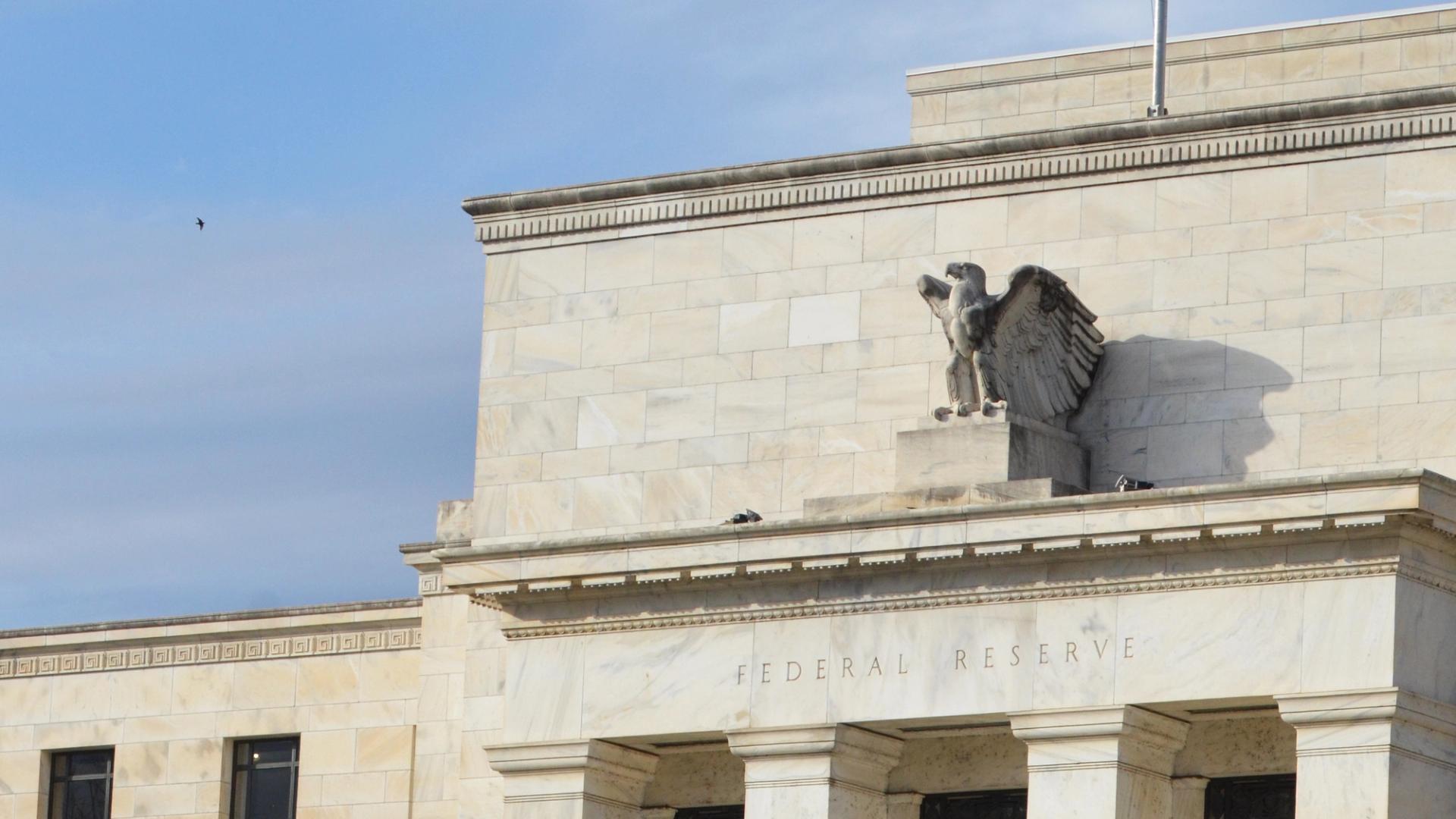
Morning Edition · Friday, September 25, 2026Published at 1:49 AM EDT · New York
Federal Reserve Opens Comment on First Stablecoin Rules Under the GENIUS Act
Two proposals would force Board-supervised issuers to back tokens fully with assets such as short-term Treasury bills, impose standardized capital requirements, and set rules for the banks that safekeep reserves.
The Federal Reserve Board has requested public comment on two proposals that would build the supervisory framework for payment stablecoin issuers it oversees under the GENIUS Act, the stablecoin statute Congress passed last year. The first proposal requires issuers to back tokens fully with permissible reserve assets, names short-term Treasury bills and other high-quality liquid assets as qualifying, and sets standardized capital requirements covering credit and operational risk along with risk-management standards.
The second proposal governs the custody side. It sets rules for Board-supervised firms that safekeep the assets behind payment stablecoins and clarifies which stablecoin activities supervised banks may conduct, together with an application process for banks that want to issue. The comment period closes 60 days after publication in the Federal Register. The Fed's treatment of the statutory ban on issuers paying interest or yield to holders follows the approach the Office of the Comptroller of the Currency already proposed. That keeps the economics of reserve income with the issuer, not the holder.
The scale being regulated is substantial. Stablecoins in circulation total $312.14 billion, with Tether's USDT at $183.70 billion and Circle's USDC at $75.53 billion, according to DeFiLlama. A full-reserve requirement anchored in Treasury bills makes issuers structurally large buyers of short-dated government debt, which is the channel through which dollar stablecoin growth now feeds directly into the funding market.
The reporting relayed by Watcher Guru and BWE News treats the proposals as the moment the Fed takes operational ownership of the framework. For offshore issuers, the practical question is whether the Board-supervised path becomes the only route to institutional distribution in the United States. That would favor bank-affiliated issuers over crypto-native ones.
What this means
Full reserve backing in short-dated Treasuries converts stablecoin growth into mechanical demand for government bills, tying stablecoin activity to Treasury issuance and the Federal Reserve's balance sheet rather than to trading and lending flows native to crypto markets. Issuers lose the ability to earn spread from longer or riskier reserves, which compresses margins for anyone whose business model depends on reserve yield, and banks that win reserve custody mandates gain fee income. Holders receive no yield by statute, so the value of holding a regulated stablecoin remains payment utility, not return.
Part of a tracked trend
Race to Bank and Distribute Stablecoin Reserves
Over 3-6 months, established financial and payments firms compete to custody stablecoin reserves and embed stablecoin rails into cross-border settlement, institutionalizing the plumbing beneath stablecoins.
Townsquare
Start a discussion in Townsquare.
More from this edition
- Bitget Says Attackers Spoofed Transaction Data to Move $351.6 Million Out of Its Hot Wallets
- Aztec Discloses a Proving-System Flaw That Could Let Invalid Transactions Pass Verification
- SEC's Peirce Urges Regulators to Replace Bulk Identity Collection With Zero-Knowledge Proofs
- CFTC Clears Commodities Firms to Hold Customer Funds in Tokenized Assets and Keep Records On-Chain
- Bitcoin Researchers Propose Shielded Transfers on the Base Layer Without a Soft Fork
- Blockstream's Liquid Post-Mortem Traces a $320 Million Loss to a Cached Proof Check and an Unshipped Patch
- September's Smaller Exploits Cluster Around Oracles, Cosmos EVM and Unauthorized Minting
Comments
0No comments yet.