← The Polylog Crypto Intelligence Brief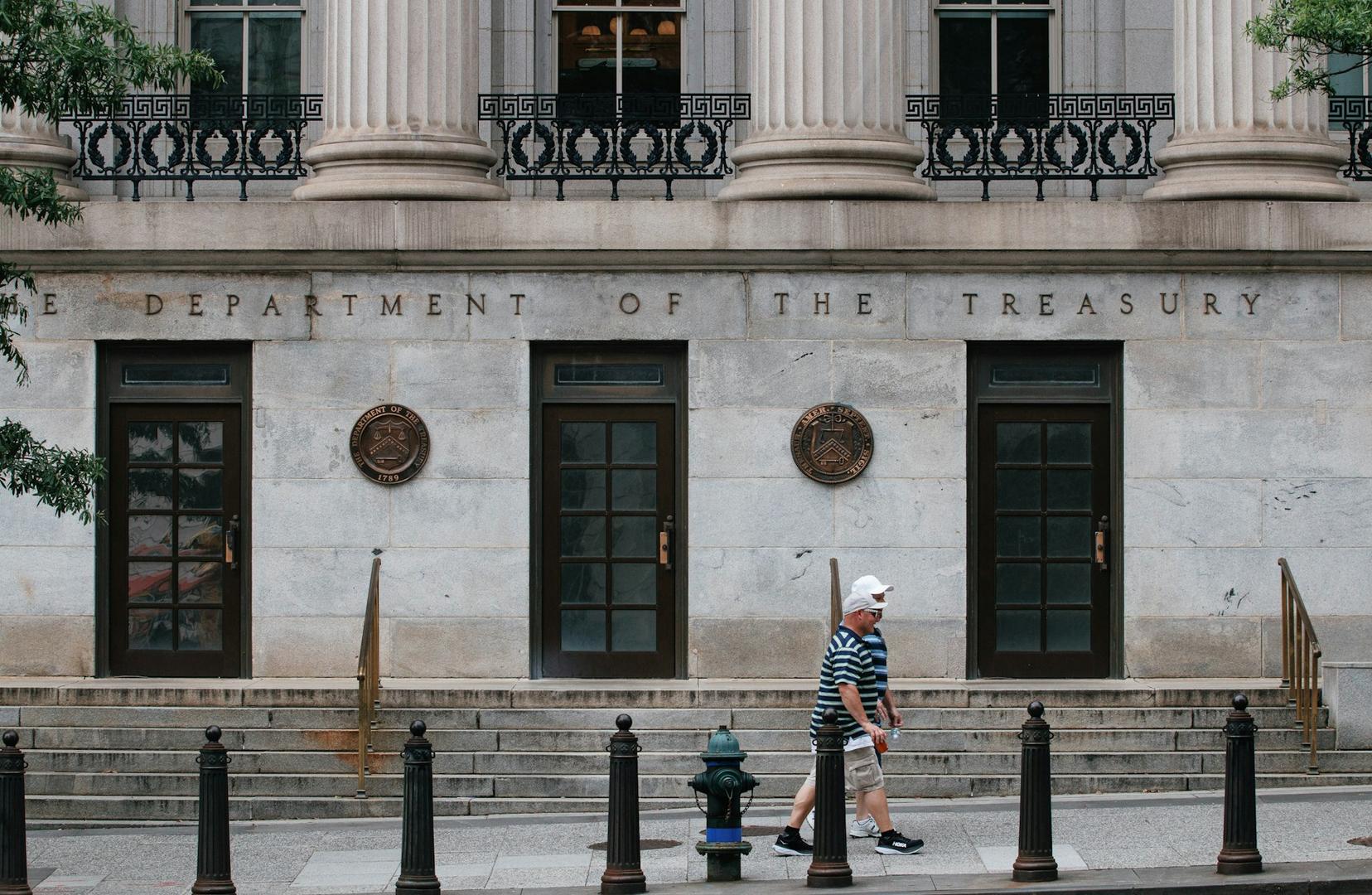
Morning Edition · Tuesday, October 6, 2026Published at 1:32 AM EDT · New York
US Treasury withdraws the self-custody wallet and crypto-mixer reporting rules it had proposed in 2020 and 2023
The Financial Crimes Enforcement Network (FinCEN) said public comments warned that its broad definition of mixing would discourage lawful activity. The agency also quoted a White House statement backing users' ability to transact privately on a public blockchain.
The US Treasury Department's Financial Crimes Enforcement Network (FinCEN) has withdrawn two proposals that remained pending for years without ever taking effect. Both concerned self-custody wallets and crypto mixers. The agency filed the withdrawal notices on October 5. They are scheduled for publication in the Federal Register on October 6. The Treasury's own announcement described both as proposed surveillance rules covering unhosted wallets and convertible-virtual-currency mixing.
The first proposal dates from December 2020, the final weeks of the first Trump administration. It would have required banks and money services businesses to keep records on customer transactions with self-custody wallets above $3,000 and to report transactions above $10,000, including information about the counterparty. The second, a 2023 proposal from the Biden administration, would have designated international crypto mixing as a class of transactions of "primary money laundering concern" under the USA PATRIOT Act. Financial institutions would then have had to report wallet addresses, transaction hashes and IP addresses tied to suspected mixing.
FinCEN gave its reasons in the notices. Commenters warned that an overly broad definition of mixing could discourage legitimate activity and impose a heavy reporting burden on financial institutions. Both notices cite the White House's July 2025 digital-asset report. The mixer notice quotes that report's statement that the administration supports lawful users' ability to transact privately on a public blockchain.
The withdrawal removes only the proposals. Existing law stays in force. Exchanges and other money services businesses still carry their current anti-money-laundering obligations, and Treasury keeps its power to act against specific mixers or counterparties. Under the earlier proposals, transfers to self-custody would have been a reportable category in themselves. Now they are no longer singled out. Law-enforcement agencies had argued for the mixer rule on the grounds that illicit actors, including state-linked hackers, route stolen funds through mixers. The same day, an investigator's account of a Lazarus-linked laundering network (rank 4 in this edition) showed that much of that money moves through over-the-counter (OTC) brokers and stablecoins. Those channels already sit inside the regulated system.
For the desk's working thesis that state surveillance is expanding, this is evidence against it, at least in formal US rulemaking. It does not reduce the tracing and freezing capacity that stablecoin issuers and exchanges already provide to authorities.
Part of a tracked trend
Privacy Chains Pivot From Niche to Institutional Pitch
Over 3-6 months, confidential execution reframes as a prerequisite for serious/institutional on-chain use, with privacy L2s shipping live networks and contesting who controls confidentiality.
Townsquare
Start a discussion in Townsquare.
More from this edition
- Prysm ships a last-minute fix so Ethereum's Sepolia testnet can run the Glamsterdam upgrade at 200 million gas per block
- Aztec discloses a critical flaw in its Alpha V5 proving system that could let a forged proof pass verification
- The CFTC proposes Regulation CTX and Regulation CAM to bring leveraged retail crypto trading under federal registration
- ZachXBT says he fronted $349,700 to infiltrate a Chinese laundering network that moved more than $1 billion for North Korea's Lazarus Group
- Security roundup: a token burn drained $201,000 from a CrowdRingCircle pool, and post-mortems detail the unbacked mints at Liquid and Nomic
- OKX and ICE file to trade 63 tokenized US stocks around the clock on permissioned Uniswap v4 pools, as Binance opens 1:1 stock conversion
- Ethereum Foundation researchers make the case for transaction assertions that revert any transaction whose final outcome breaks a rule the user signed
Comments
0No comments yet.