← The Polylog Crypto Intelligence Brief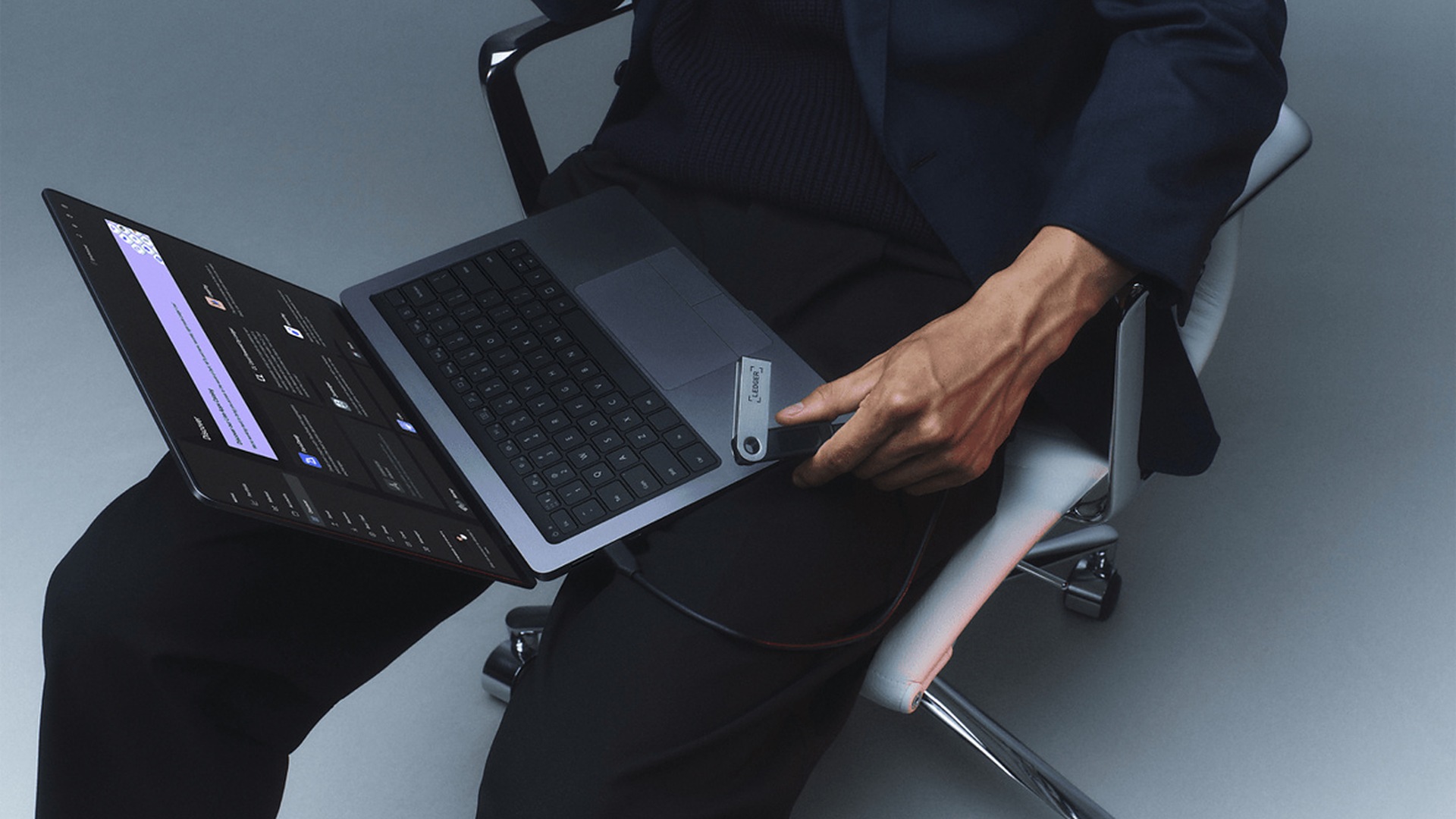
Morning Edition · Tuesday, October 13, 2026Published at 1:42 AM EDT · New York
Hidden Cellular Implants in Ledger Devices Sold by a Malaysian Reseller Are Tied to Up to $93 Million in Thefts
The implant read each recovery phrase off the screen during setup and sent it out over a mobile network without touching the secure chip, and only about $10 million of the stolen funds has been frozen.
Ledger, the French hardware-wallet maker, confirmed that at least one device sold by CryptoBilis, a reseller based in Kuala Lumpur, contained an unauthorized hardware implant. Buyers in Southeast Asia had reported drained wallets the week before. Ledger told CryptoBilis customers not to set up their devices, and it says the reseller has stopped selling them. Users had already raised concerns about the reseller in a Bitcointalk technical thread.
The attack did not break Ledger's secure chip or its cryptography. According to BleepingComputer, the implant captured the device's display output and button presses during setup. It identified the recovery phrase while the screen showed it and sent the phrase as text over a cellular connection using the technology behind most 4G networks (LTE) and an eSIM. Mark Karpelès, the former chief executive of the collapsed Mt. Gox exchange, examined devices from the reseller. He described the module as LTE components, an antenna, an eSIM and a microcontroller hidden in the buffer pad behind the screen. The implant only listened passively, so the device firmware had no way to detect it. The root cause was a supply-chain compromise: someone physically tampered with retail stock before buyers received it.
On-chain researchers estimate that $86 million to $93 million was taken from more than 300 wallets. Analysts cited by Crypto Briefing counted 315 wallets across Tron, Bitcoin, Ethereum, BNB Chain, Polygon and Solana, with Tron accounting for about $70.5 million. CoinDesk reports that about $10 million has been frozen. Tether froze USDT held at attacker addresses. The attackers then began converting USDT into USDD, a Tron-based stablecoin that Tether cannot freeze, and sent 430.2 ETH into the Tornado Cash mixer, Gizmodo reported. No group has been publicly identified as responsible.
Ledger and its critics describe the incident differently. Ledger says every confirmed case involves devices sold by this one reseller, that its own systems were not compromised, and that buyers should avoid unauthorized sellers. Critics quoted by CoinDesk say CryptoBilis operated as an authorized sales channel, which would make the failure Ledger's responsibility. Ledger gains if the incident is treated as one rogue vendor. Competitors and advocates of open hardware gain if it is treated as a flaw in how the industry distributes devices.
This is the third Ledger incident in which the weak point was outside the secure chip. In 2020 a leak of Ledger's customer database exposed buyers' home addresses. In December 2023, attackers inserted malicious code into Ledger's Connect Kit software library and drained users through decentralized applications.
Part of a tracked trend
Hardware-Wallet Trust Erodes
Recurring firmware and entropy defects in self-custody hardware, now surfaced faster by AI-assisted code analysis, will keep pushing risk-averse holders toward custodial and ETF products rather than personal key management.
Townsquare
Start a discussion in Townsquare.
More from this edition
- Aztec Discloses a Proving-System Flaw That Could Let Forged Proofs Pass on Its Alpha V5 Network
- Rounding Bug Drains a Legacy Set Protocol Vault as Losses Spread From Contract Code to Hot Wallets and Bridges
- Aptos Turns On an Optional Encrypted Mempool on Mainnet to Hide Pending Trades From Front-Runners
- Financial Stability Board Warns Fully Reserved Stablecoins Can Still Face Runs When Reserves Sit in the Wrong Country
- Solana Plans to Remove Durable Nonces and Move Offline Signing Into Onchain Programs
- Miden Launches Its "PriFi" Private-Finance Stack and Releases the Bread Wallet on Testnet
- Moscow Exchange Tests Bitcoin Trading for a December 1 Launch as Sberbank Gains Approval to Exchange Crypto
Comments
1Oct 13, 5:42 AM
Because the implant exfiltrated phrases over its own LTE link, an air gapped setup offered no protection, and any wallet seeded on these units stays compromised until funds move to a seed made on clean hardware.