← The Polylog Crypto Intelligence Brief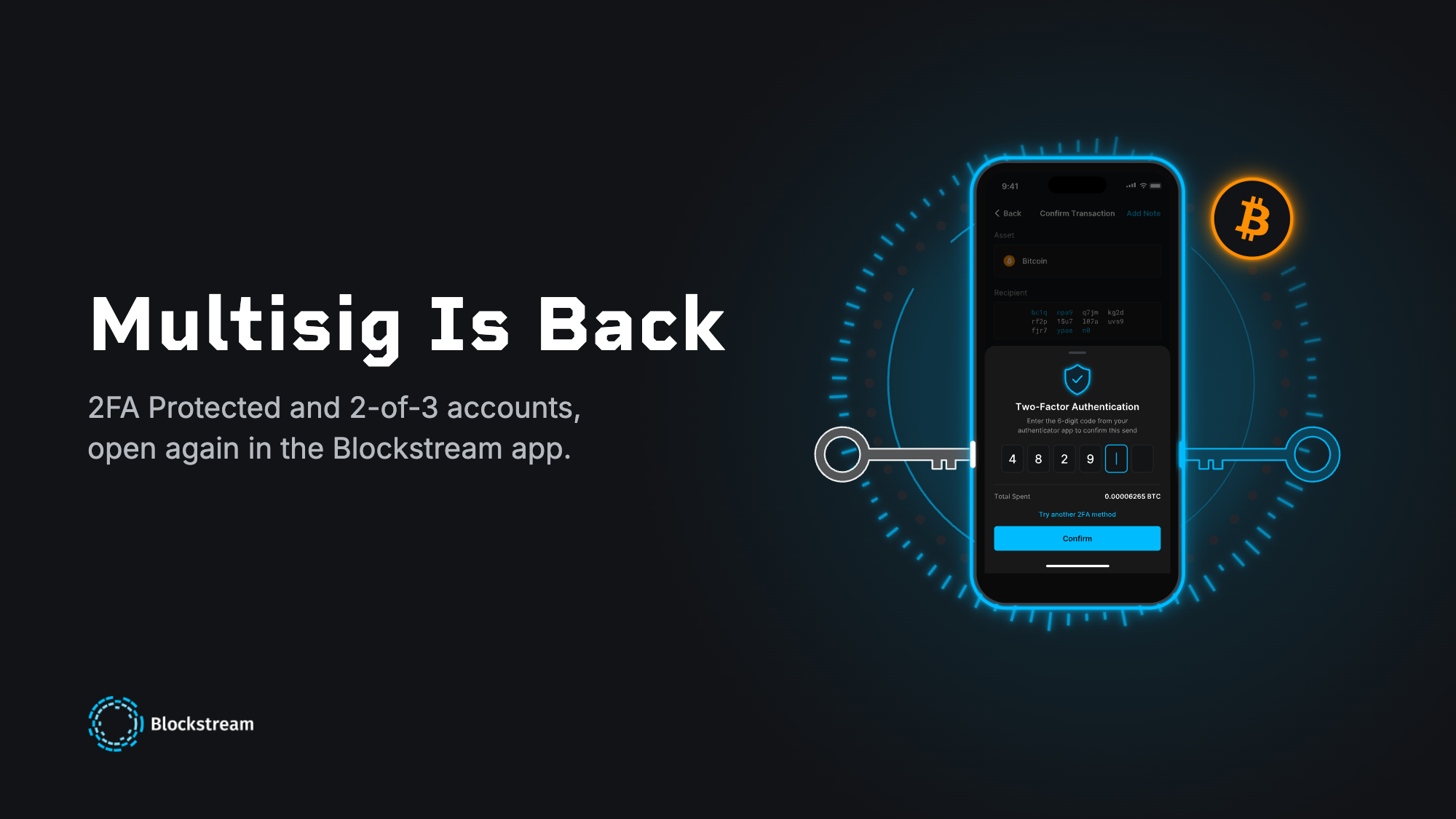
Morning Edition · Thursday, October 15, 2026Published at 1:43 AM EDT · New York
Ledger Finds Hidden Cellular Chip That Sent Recovery Phrases From Reseller-Sold Wallets
Investigators put losses at $86 million to $93 million across more than 300 wallets on Bitcoin, Ethereum and Tron, and the implanted devices reportedly passed Ledger's own authenticity check.
Ledger's internal security team, Ledger Donjon, is investigating signers sold by CryptoBilis, a reseller that operates in Indonesia, Malaysia and the Philippines. The company confirmed on October 10 that one affected user's device contained an unauthorized hardware implant. That confirmation came a day after a coordinated draining of wallets. According to Cybersecurity News, every confirmed case tied to the October 9 incident involved a device bought through CryptoBilis. Users on the Bitcointalk developer board had already flagged a possible problem with Ledger devices from the reseller.
The attack did not break the device's cryptography. According to Ledger's description, reported by CoinDesk, the implant sits inside the enclosure and reads what the screen displays. During setup, the device shows the owner a 24-word recovery phrase. The implant's microcontroller detects those screens, decodes the words, and transmits them over a mobile data network using a pre-provisioned embedded SIM card (eSIM). The implant leaves the secure element and the operating system unchanged, and it does not alter transactions or signatures. Tech Times reports that the implanted units passed Ledger's Genuine Check. That check confirms the secure chip is authentic, but it does not detect a separate component hidden inside the case.
Estimated losses range from $86 million to $93 million, taken from more than 300 wallets on the Bitcoin, Ethereum and Tron blockchains, according to BleepingComputer and other trackers. No recovery, freeze or attribution has been announced. Ledger told anyone who bought from the reseller in the past 90 days not to set up the device, and told those who already have to move their funds to a new signer with a new recovery phrase. CryptoBilis has stopped selling all hardware wallets while the investigation continues. Its inventory also includes Trezor, OneKey, Tangem and SafePal devices.
The root cause is a supply-chain compromise inside an authorized retail channel. Ledger's position is that its secure element held, which is accurate and also convenient for the company, since it places the failure with the reseller. Critics can respond that a key a user can read off the screen can also be read by a component nobody checks. Separately, Blockstream this week restored multisig accounts in its app, offering 2-of-2 and 2-of-3 setups that include a backup key only the user holds. In a multisig wallet, a seed captured from one compromised device cannot move funds on its own.
Part of a tracked trend
Hardware-Wallet Trust Erodes
Recurring firmware and entropy defects in self-custody hardware, now surfaced faster by AI-assisted code analysis, will keep pushing risk-averse holders toward custodial and ETF products rather than personal key management.
Townsquare
Start a discussion in Townsquare.
More from this edition
- Aztec Discloses a Critical Proof Flaw in Its V5 Alpha as Miden Pitches Private Stablecoin Finance
- Solana Schedules Alpenglow Consensus Switch for October 21, Targeting Finality in About 150 Milliseconds
- European Banking Authority Names Circle's USDC the First Significant Stablecoin Under MiCA
- NEAR Intents Custody Bug Leads Wave of Exploits Hitting Hot Wallets, Signers and Oracles
- Higher-Than-Expected US Inflation Data Drives Nearly $1 Billion in Crypto Liquidations as Bitcoin Falls Below $81,000
- Ethereum Researcher Proposes Splitting Block Execution Proofs So Proving Can Begin Before State Is Known
- Russia's Central Bank Authorizes Sberbank to Exchange Crypto as Banks in Russia, the UAE and Europe Absorb Retail Access
Comments
1Oct 15, 5:43 AM
Losses of $86 million to $93 million across more than 300 wallets put the average at no more than about $310,000 per wallet, which indicates the implanted devices reached holders with large balances.