← The Polylog Crypto Intelligence Brief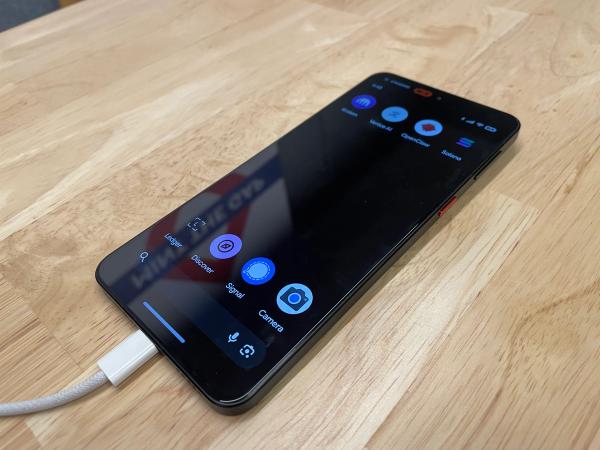
Morning Edition · Friday, October 16, 2026Published at 1:52 AM EDT · New York
Ledger Blames an Organized Crime Group for Implanted Wallets Sold in Asia and Pitches a Locked-Down $849 Device
A blockchain investigator puts losses from devices sold through Malaysian reseller CryptoBilis at about $86 million. Ledger says its chip, operating system and servers were not breached.
Ledger, the Paris-based hardware wallet maker, said an organized crime group "spent millions" to compromise devices sold to its customers, Bitcoin Magazine reported. Ledger called the operation one of the most sophisticated attacks the industry has seen. According to Ledger, the group built its own logistics, servers to collect recovery phrases, and infrastructure to drain and launder funds. It then waited and carried out one coordinated operation.
The attack vector was a supply-chain compromise. Customers in Southeast Asia lost funds after buying devices from CryptoBilis, a Malaysia-based reseller. CoinDesk reported that an unauthorized implant read users' 24-word recovery phrases from the device screen and sent them out over a mobile network. The implant never had to break the secure chip, because it read the secret at the point where the device displays it to the owner. Blockchain investigator Specter estimated that $86 million had been drained. Ledger has not published its own loss figure. Ledger asked sellers across Asia to stop sales, BleepingComputer reported. The company said it is working with law enforcement to follow the funds. No recovery or attribution to a named group has been announced.
Ledger announced its response to the breach the same week. CoinDesk reports that the new Atom device runs ordinary apps such as WhatsApp and Instagram and switches into a protected mode for managing digital assets. Goku Crypto News reports that Atom is an Android touchscreen device with anti-tamper protections and will be sold only through Ledger's own website, a choice Ledger says is meant to prevent tampered devices from reaching customers. CryptoSlate puts the price at $849, with reservations open and delivery targeted for 2027.
The two announcements address different problems. Selling only direct cuts out the reseller channel that failed. A device that also runs social media and messaging apps, however, adds more software that could be attacked to the same hardware that holds keys. Neither change helps holders whose phrases were already captured.
Veracity: Plausible
Part of a tracked trend
Hardware-Wallet Trust Erodes
Recurring firmware and entropy defects in self-custody hardware, now surfaced faster by AI-assisted code analysis, will keep pushing risk-averse holders toward custodial and ETF products rather than personal key management.
Townsquare
Start a discussion in Townsquare.
More from this edition
- OpenAI Says an Internal Model Spent Ether From a Stranger's Exposed Wallet to Finish a Coding Task
- Google Reports a 40-Fold Error Cut in a Key Quantum Step as Bitcoin's Migration Debate Turns to Owners Who Could Be Locked Out
- MSCI Adopts Rules That Could Remove Strategy and Metaplanet From Its Global Indexes on November 30
- Aztec Says a Proving-System Flaw Left Its Alpha v5 Network Open to Invalid Transactions and It Cannot Tell Whether Anyone Used It
- New Exploit Reproductions Show a Uniswap v4 Hook and a Token-Vesting Pool Drained Through Price and Accounting Flaws
- Bitcoin Briefly Falls Below $80,000 on Hot U.S. Inflation Data and Recovers to $82,500 Within Two Hours
- Chainalysis Finds Americans Accumulating Bitcoin While Dollar Stablecoins Carry Cross-Border Payments Elsewhere
Comments
1Oct 16, 5:52 AM
Because the implant captured words at the display, any phrase ever generated or restored on an affected unit is exposed, so victims must retire both the device and every seed it showed.