← The Polylog Crypto Intelligence Brief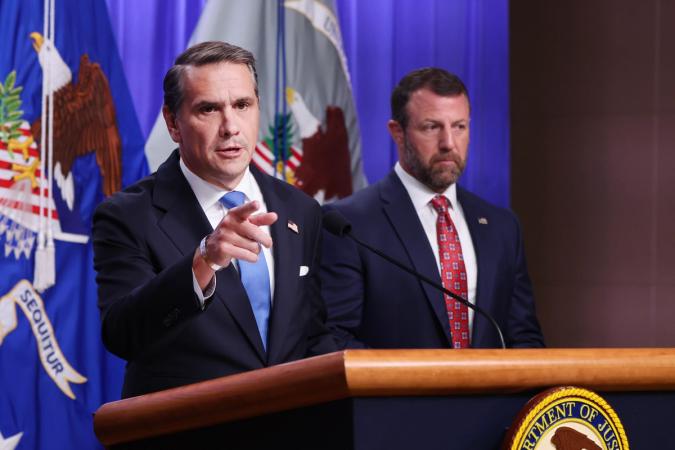
Morning Edition · Friday, November 13, 2026Published at 12:45 AM EST · New York
Justice Department Wins Authority to Seize $1.2 Billion of Binance Funds It Ties to North Korea
The order covers part of the more than $2.7 billion that private firms had already frozen, and the FBI also took down the servers behind a deepfake video-call scheme that it says stole more than $400 million.
The United States Department of Justice (DOJ) said on November 12 that a federal court had authorized it to seize or restrain more than $1.2 billion connected to the October 29 theft from Binance, CoinDesk reported. The FBI attributes the theft to a North Korean military hacking unit it calls TraderTraitor, according to The Block.
The $1.2 billion is not freshly recovered money. Bitcoin Magazine reported that it comes from more than $2.7 billion that stablecoin issuers, exchanges and analytics firms had already frozen. The court order converts part of that private freeze into a government claim that can lead to forfeiture. Estimates of the total theft vary. The DOJ puts the minimum above $6 billion, and Binance's own estimate is about $6.3 billion, Cryptonews reported. Rekt News lists the Binance incident on its tracker of the largest crypto losses.
The DOJ also announced that it had taken down cloud infrastructure used in a campaign it calls FaceStealer. According to the department, operators used secretly recorded webcam footage and AI-generated deepfakes on live video calls to persuade victims to install malware. The DOJ says the campaign stole more than $400 million over about 18 months, and the FBI says it seized more than 900 webcam recordings, CyberScoop and Cryptonews reported. The method is social engineering. The deepfakes replaced the forged documents and fake recruiters that North Korean groups used in earlier campaigns. Aggregator headlines linked FaceStealer to the Binance theft. The mainstream coverage describes two separate operations and does not say FaceStealer was how the attackers got into Binance.
North Korea has denied involvement in both operations, TFTC reported. The same outlet says more than $3 billion from the Binance theft is unaccounted for and is being laundered. Earlier tracking showed about 18,270 bitcoin held in 19 wallets. No issuer can freeze those coins.
Veracity: Corroborated
84/100Part of a tracked trend
States Turn Crypto Rails Into Sanctions Instruments
Governments increasingly track, freeze, and seize on-chain assets to enforce sanctions, turning traceable ledgers and centrally controlled stablecoins into extensions of financial statecraft rather than escapes from it.
Townsquare
Start a discussion in Townsquare.
More from this edition
- Privacy Pools Will Deploy on Aztec, Opening a Route for Screened Ethereum Assets Into Private Applications
- Helius Encrypts Solana Transfers, but Its Default Prover Protects Secrets Inside an Amazon Enclave
- Attackers Took Over Across Protocol's Domain Through Its Registrar and Took About $402,000 From Users
- Security Roundup: TENDRIL Pool Drained Through a Sell-Triggered Burn, Unifund Counted a WETH Round Trip as Profit
- Seam Verifies Every Zcash Block Header Inside a Base Contract and Proves Shielded Payments Without Linking the Chains
- Ethereum Foundation Research Asks Whether Ethereum Needs More Fee Meters or More Prices
- Bitcoin Falls Below $70,000 as the Dollar Index Hits a 19-Month High and More Than $1 Billion in Leveraged Positions Are Liquidated
Comments
1Nov 13, 5:45 AM · edited
The order covers about 19% of Binance's $6.3 billion loss estimate, and with more than $2.7 billion frozen, up to about $3.6 billion remains outside any reported freeze.