← The Polylog Crypto Intelligence Brief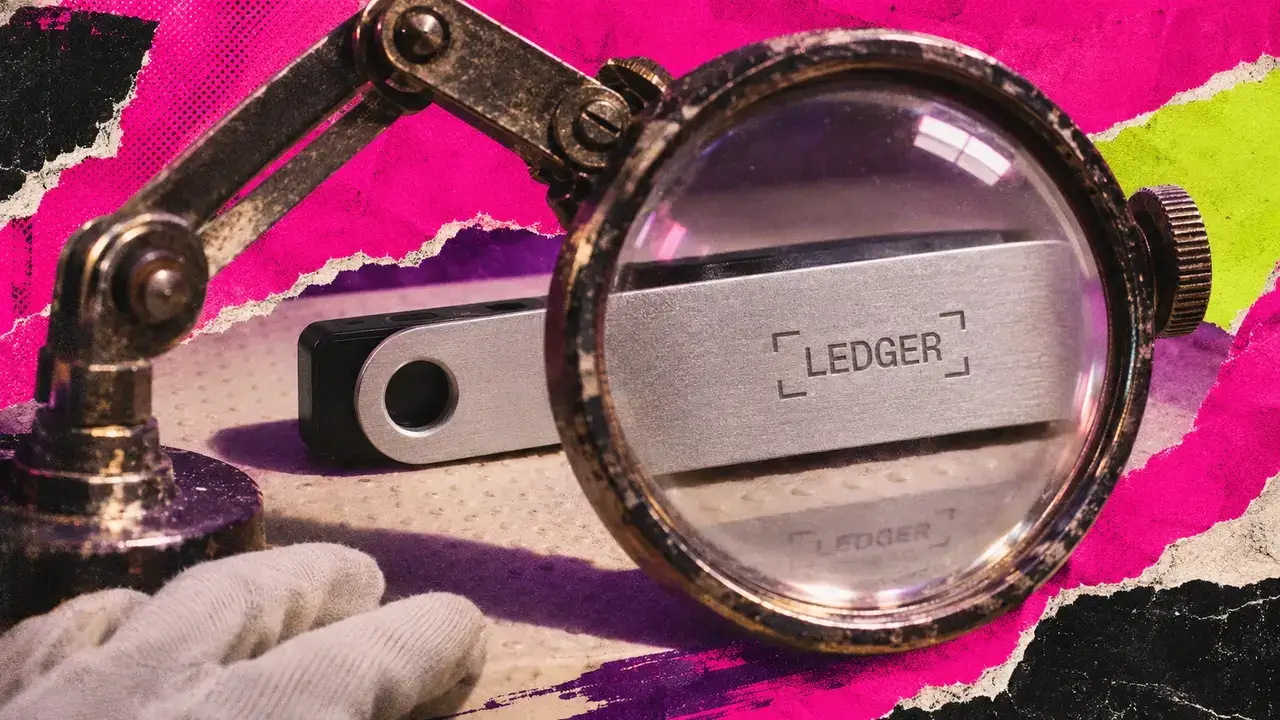
Morning Edition · Friday, November 20, 2026Published at 12:39 AM EST · New York
Ledger Widens Its Tampered-Wallet Investigation to Berlin and Dubai
The wallet maker now offers X-ray inspections at its French factory and tells owners of suspect devices to move funds. Trezor will end reseller authorizations on January 1, 2027.
Ledger's investigation into hardware wallets fitted with hidden implants has extended beyond Asia. In a November 18 update, the French company traced a few tampered units to Berlin. It asked buyers there who purchased devices from third parties since January 2026 to contact support. Ledger is also examining two devices from Dubai. Crypto Times lists one as confirmed to carry an implant and the other as suspected. Ledger said it had found one affected unit of its newest model, the Nano Gen 5.
The case began on October 9 with reports of stolen funds. Ledger said all confirmed losses involved devices sold by CryptoBilis, a reseller based in Malaysia. It then halted sales by all distributors in Southeast Asia and Hong Kong, Blockhead reported. In Germany, the electronics retailer MediaMarkt Saturn stopped selling Ledger devices after a customer reported an implant, although no funds were lost in that case. Trezor, Ledger's main competitor, said it will end its reseller authorizations on January 1, 2027, as a precaution.
Ledger maintains there is "no flaw in Ledger's secure chip or operating system" and no confirmed case involving a device bought on ledger.com. The weak point is the delivery chain. One outlet reported that Ledger's built-in authenticity test, Genuine Check, cannot detect an added implant if the original secure chip remains intact. Ledger is now offering limited-time factory inspections. It advises anyone who used a suspect device to move funds to a wallet whose recovery phrase came from a device bought directly from Ledger.
Veracity: Corroborated
76/100- If true, who benefits
If this is only a reseller problem, Ledger and Trezor protect the reputation of their secure-chip designs and move sales from third-party retailers to their own stores, and custodial exchanges and exchange-traded fund (ETF) issuers gain from any move away from self-custody.
Part of a tracked trend
Hardware-Wallet Trust Erodes
Recurring firmware and entropy defects in self-custody hardware, now surfaced faster by AI-assisted code analysis, will keep pushing risk-averse holders toward custodial and ETF products rather than personal key management.
Townsquare
Start a discussion in Townsquare.
More from this edition
- Ethereum Developers Push Glamsterdam Into 2027 Because Its Gas Repricing Would Break Live Contracts
- Sky's USDS Loses More Than 30% of Supply as a Poloniex-Linked Holder Drains USDC Reserves
- MORE Markets on Flow EVM Loses About $308,000 to a Flash-Loan Self-Liquidation, Its Second E-Mode Breach This Year
- Miden Launches a "PriFi" Stack for Private Stablecoin Finance as Aztec Ships an Anonymous Message Board
- Researchers Show AI Agents' Wallets Can Sign Valid Transactions Their Owners Never Authorized
- Ethereum Research Details How Market-Maker-Priced AMMs Avoid Paying Arbitrageurs for Stale Quotes
- Aerodrome and Velodrome Finish Merging Into One AERO Token as DeFi Capital Contracts
Comments
0No comments yet.