← The Polylog Crypto Intelligence Brief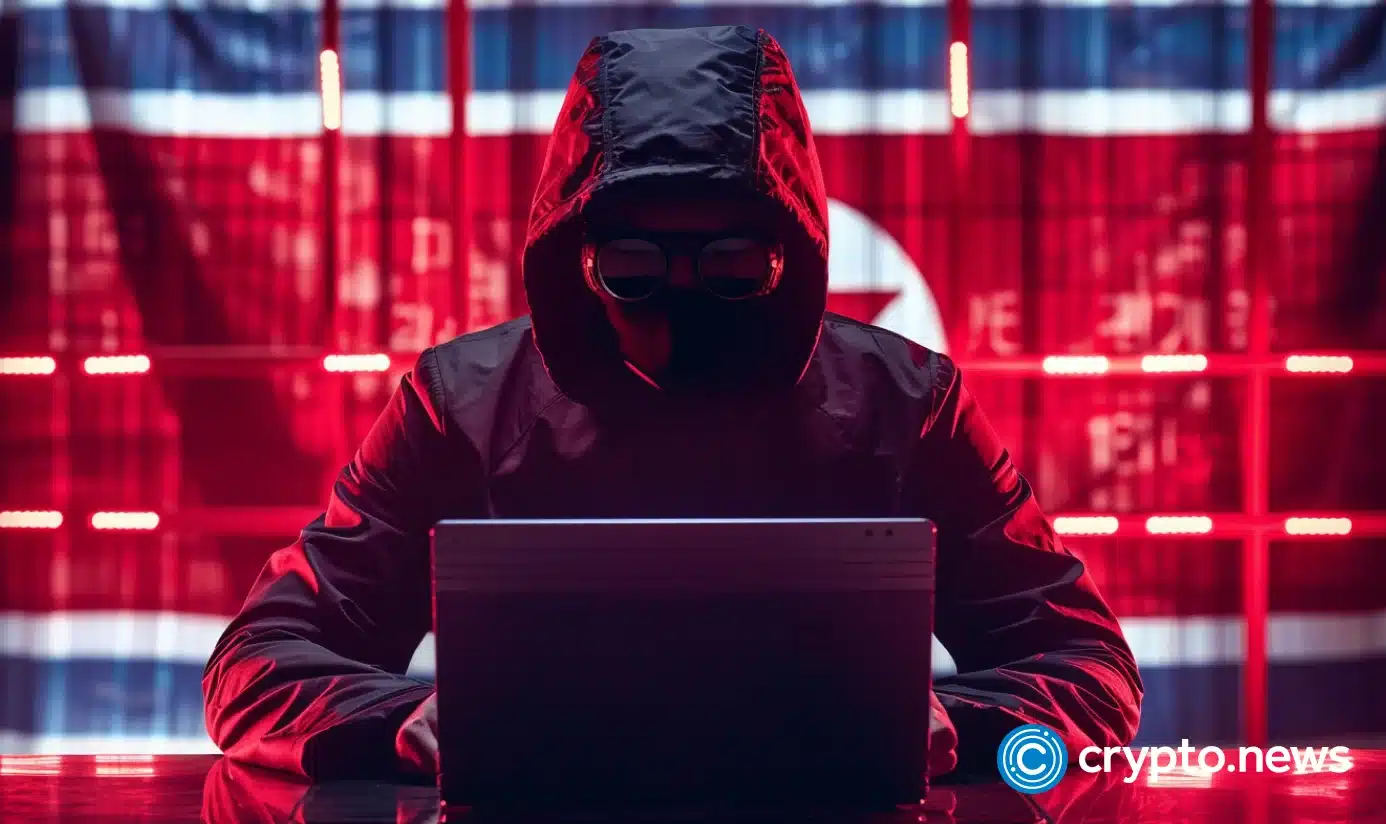
Morning Edition · Wednesday, November 25, 2026Published at 12:35 AM EST · New York
US Moves to Take Ownership of $1.1 Billion in Frozen USDC From the Binance Hack
Authorities say they have helped freeze, seize or return more than $2.9 billion of the roughly $6.3 billion that the FBI says North Korean hackers took, while Coinbase co-hosted a Dublin meeting on how those hackers operate.
The US Justice Department filed a civil action seeking ownership of more than 1.1 billion USD Coin (USDC) that was frozen after the hack of Binance's hot wallets. The FBI attributed the roughly $6.3 billion theft to TraderTraitor, a unit the bureau says North Korea's state sponsors. North Korea has denied involvement. Circle, which issues USDC, agreed to reissue $1.17 billion of the frozen tokens.
Recovery depends on which asset the hackers took. US authorities say they have helped freeze, seize or return more than $2.9 billion. The blockchain analytics firm Elliptic estimates that about $2.35 billion remains in wallets linked to the theft, and those funds continue to move. Stablecoins with central freeze functions were the easiest assets to stop. Native assets that no issuer can freeze, such as bitcoin, cannot be stopped that way. Binance says it has replaced 90% of the stolen amount with its own money. Rekt News has catalogued the incident. The public record has not yet established the precise technical root cause.
On November 24, Coinbase said it co-sponsored a two-day symposium in Dublin where police and cybersecurity specialists discussed North Korean crypto theft. The meeting also covered how North Korean operatives use false identities to obtain technology jobs. That method gives an attacker access through a company's own staff.
The case shows a split in how states can enforce against crypto. Where a central issuer exists, the US can freeze and reassign assets with a court filing. Where none exists, it has to rely on tracing, pressure on exchanges, and seizing funds when they move through a regulated service. North Korea has an incentive to convert stolen stablecoins into assets that no issuer can freeze, and to do so quickly.
Veracity: Corroborated
77/100Part of a tracked trend
States Turn Crypto Rails Into Sanctions Instruments
Governments increasingly track, freeze, and seize on-chain assets to enforce sanctions, turning traceable ledgers and centrally controlled stablecoins into extensions of financial statecraft rather than escapes from it.
Townsquare
Start a discussion in Townsquare.
More from this edition
- Ethereum Foundation Picks Keccak-256 as the Hash for Ethereum's Post-Quantum Migration
- Coinkite Says a Five-Year Coldcard Firmware Flaw Weakened Seeds Behind Bitcoin Thefts
- November's Hacks at Lighter, Initia and Mercado Bitcoin Came From Stolen Keys, Not Contract Bugs
- Ansem Blames a Compromised Bullpen Account After His Wallet Sold About $2 Million of Memecoins
- Zcash Builders Seek Grants for Continuous Fuzzing and a Wallet Audit as ZEC Falls 18%
- FinCEN Takes Systems Offline After Intrusion and Extends Reporting Deadlines to December 30
- Ethereum Research Paper Asks Whether Validators Will Keep Honoring Builders' Bid Cancellations Under ePBS
Comments
0No comments yet.